Earth Day’s tipping point and the rise of eco-friendly homestay sustainability
Earth Day campaigns helped push eco-friendly homestay sustainability from niche preference to mainstream filter on premium booking platforms. Ecobnb reported a sharp spike in engagement around its 2023 Earth Day sustainability initiatives, mirroring a wider shift highlighted in Booking.com’s 2022 Sustainable Travel Report, where 81 percent of travellers said sustainable travel is important to them and 50 percent said climate change has influenced their choices. For luxury guests browsing a homestay or several homestays on sites like homestayplace.com, that means eco friendly filters now sit beside pool size, suite category and other core amenities.
Homestays inherently operate on a smaller scale, and many homestay operators live on site, which tightens control over every resource and every kilowatt. That intimacy makes it easier to align sustainable homestay practices with the rhythms of the local community and the surrounding environment, rather than with a distant corporate policy. A 2021 review of small-scale accommodation energy audits in Europe and Asia, drawing on case studies of solar retrofits and rainwater harvesting in rural guesthouses, reported typical electricity savings in the 20–35 percent range when operators invested in rooftop solar, low flow fixtures and other eco technologies that respect natural limits and reduce long term operating costs.
Industry data from Booking.com’s 2023 Sustainable Travel Report shows that 53 percent of respondents now recognise tourism’s impact on local communities and the environment, and they are acting on it. On luxury focused platforms, filters for sustainable accommodation and accommodation sustainable certifications are being used almost as frequently as Wi Fi or breakfast included. Travellers who once prioritised only design now ask detailed questions about waste management, environmental protection and how their stay contributes to sustainable tourism rather than just to the tourism sector’s economic growth.
How luxury homestays outpace hotels on sustainability and local impact
Luxury homestays differ from traditional hotels because they embed guests directly into local communities and local culture, rather than isolating them in a tourism enclave. In rural regions from Bali’s Sidemen Valley to Italy’s South Tyrol, a single friendly homestay can channel tourism development into community based projects, such as funding a village water system or restoring natural terraces. Across these destinations, homestay tourism often becomes a bridge between sustainable development goals and the daily economic social reality of farming families who depend on both land and visitors.
Homestay owners, local artisans and organic farmers form tight supply chains that keep tourism revenue circulating inside the local community instead of leaking to distant headquarters. When a homestay sources breakfast from nearby producers, hires guides from local communities and commissions textiles from village weavers, the eco benefits intersect with economic resilience. At Prackfolerhof in South Tyrol, for example, a documented retrofit between 2018 and 2021 combined solar thermal panels, LED lighting and local food sourcing; the owners reported a 23 percent reduction in annual electricity use, a 30 percent cut in heating oil consumption and an increase from roughly 40 to 70 percent in the share of guest spending that stayed in the valley. This is where eco-friendly homestay sustainability moves beyond marketing, because every euro spent supports both environmental protection and long term community development.
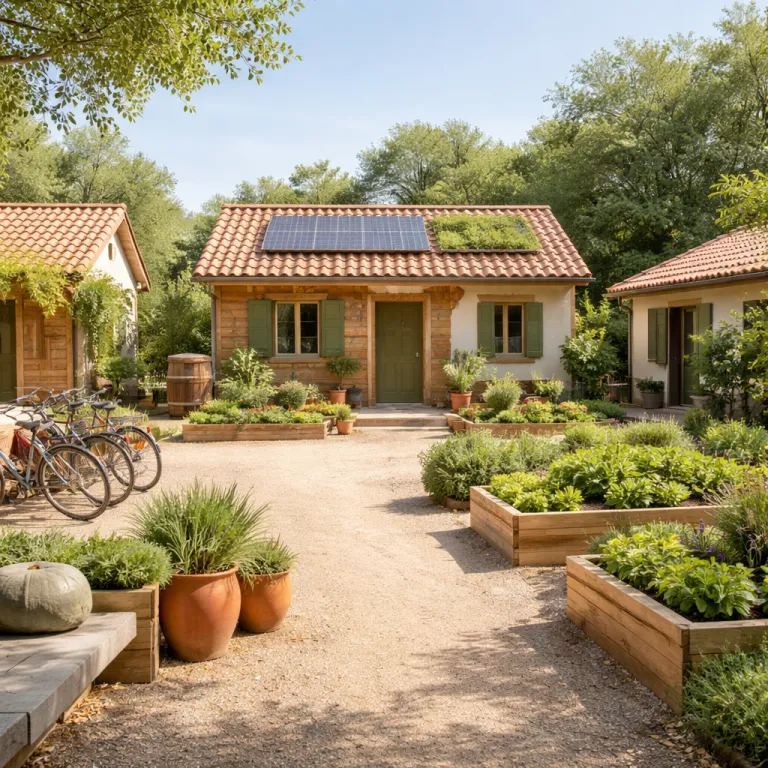
For travellers seeking refined stays, properties featured in guides to the best luxury homestays in Australia show how high end comfort and sustainable homestay practices can coexist seamlessly. Many of these homestays use solar panels, composting systems and rainwater harvesting, proving that sustainable accommodation can still feel indulgent. As one Queensland homestay owner explains, “We track every kilowatt hour and every litre of water we save, because guests want proof that their stay is part of a lighter footprint.” As one industry FAQ puts it plainly, “What defines an eco-friendly homestay?” and the answer is equally direct, “Accommodations minimizing environmental impact through sustainable practices.”
From greenwashing to measurable eco standards in the homestay sector
The surge in eco language after Earth Day has exposed a widening gap between genuine eco-friendly homestay sustainability and superficial green marketing. Some operators in the homestay sector add a recycling bin and a vague sustainability statement, while others redesign entire buildings to work with natural ventilation, local materials and low impact energy systems. Guests now need clear signals to separate a truly friendly homestay from one that simply borrows the vocabulary of sustainable tourism without changing its resource use or supporting local livelihoods.
Serious homestay operators are moving towards measurable frameworks that align with sustainable development goals and emerging ministry tourism guidelines in several countries. They track water consumption, invest in waste management infrastructure and partner with environmental organizations to protect nearby resources such as rivers, forests or coral reefs. On homestayplace.com, regulatory explainers on the new European short term rental framework, updated in 2023, show how policy is starting to reward operators who treat environmental protection and community based tourism as core business, not optional extras.
For solo travellers comparing a rural homestay with a city apartment or a luxury house rental with a pool, the most responsible choice is the one where eco friendly systems are visible and verifiable. Look for three concrete pillars during your own study of any listing: renewable energy, credible certifications and transparent support for local communities through tourism development projects with measurable outcomes, such as reported kWh saved or percentage of revenue reinvested locally. When those elements align with respectful engagement in local culture and careful stewardship of the environment, eco-friendly homestay sustainability stops being a trend and becomes the quiet luxury that defines your stay.