From hotel aesthetic to homestay essential
Biophilic design luxury homestay experiences are no longer a niche curiosity. Across Asia and Europe, couples now compare a homestay to a high end hotel and expect the same quiet connection to nature. Hosts who ignore this shift risk offering rooms that feel sealed off from the landscape rather than part of it.
Biophilic design, the practice of weaving nature into architecture and interior design, has moved from experimental biophilic architecture projects into mainstream luxury hospitality. In private homes and premium hotels alike, the focus is on natural light, fresh air, and natural materials that create a calm, grounded guest experience. When you book a stay through a curated collection such as homestayplace.com, you are increasingly choosing between properties that feel grown from their farm, island, or mountains rather than imposed on them.
Industry data now shows a clear link between nature based interiors and guest satisfaction. According to specialist associations tracking this design trend, properties that integrate greenery, ventilation, and indoor outdoor flow report a measurable uplift in reviews and repeat stays. That shift explains why architecture studio teams, landscape architects, and interior designers now treat biophilic design as the new baseline for any serious luxury homestay project.
What biophilic design looks like in a luxury homestay
In a biophilic design luxury homestay, the first impression is often light and air rather than furniture. You step into a room where natural light pours across stone floors, and you instinctively walk towards a window framing nature instead of a television. The best rooms feel like sheltered terraces, with sliding panels that open wide so you can spend time listening to wind and birds rather than air conditioning.
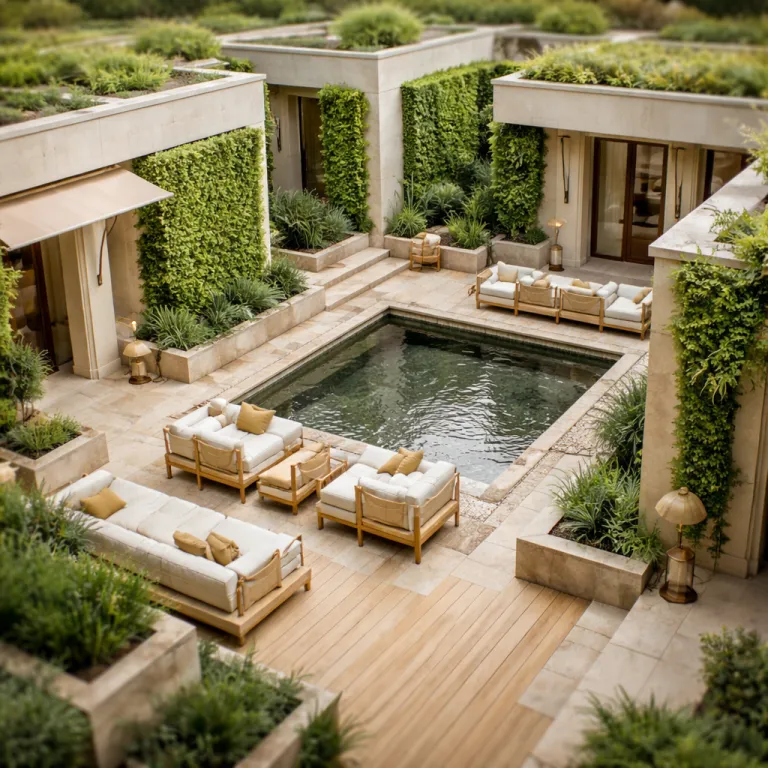
Courtyard layouts are common in warmer regions such as the south of Europe or east Asia, where rooms and rooms suites wrap around a planted patio that acts as a natural lung for the house. In these homes, biophilic architecture uses cross ventilation and shaded verandas to maintain thermal comfort, so you feel fresh air moving gently even at midday. A thoughtful architecture studio will often create three distinct layers of space, moving from enclosed rooms to semi open galleries and finally to fully outdoor decks that keep you close to nature throughout your stay.
Inside, interior design choices reinforce this nature biophilic approach. Expect a restrained collection of objects in each room, with linen, clay, and timber replacing plastics and glossy finishes. Hosts who understand luxury hospitality know that a single farm table made from reclaimed wood, a plant based rug dyed with local pigments, and a few well chosen books can create a richer guest experience than any amount of generic décor.
Asia, Bali and the rise of landscape led homestays
Nowhere shows the potential of biophilic design luxury homestay living more clearly than Asia. From the rice terraces of Bali to the tea hills of the south and east of the continent, hosts are using architecture to frame nature rather than fight it. When you book a short stay in these regions, you are often choosing how you want to feel in relation to the landscape as much as where you want to sleep.
On the island of Bali, for example, many luxury homestays sit between farm and forest, with rooms that open directly onto paddies or jungle ravines. These asia Bali properties often use open pavilions, deep overhangs, and stone pools to create a continuous sequence of rooms and terraces, so you can move from bed to bath to farm table breakfast without ever losing sight of the surrounding nature. Across Asia, similar homes in the mountains or along the south coast use bamboo, local stone, and plant based finishes to keep the palette natural and the environmental footprint low.
Guests who once defaulted to large hotels now seek out these smaller, landscape led homes because they feel more rooted and more personal. Even when a listing competes with a nearby boutique hotel style property, the homestay often wins on atmosphere, because it lets you eat, drink, and spend time at a slower rhythm that matches the farm or village outside. That sense of being held by the land, rather than just looking at it, is what defines the new generation of asia Bali and wider Asia luxury homestays.
Health, comfort and the science of feeling good
Biophilic design luxury homestay spaces do more than look serene in photographs. By maximising natural light, encouraging fresh air, and surrounding you with greenery, they quietly support your body while you rest. For couples arriving tired from long haul flights, that difference in thermal comfort and air quality can shape the entire guest experience.
Research into nature based interiors shows that views of trees, water, or mountains can lower stress levels and improve sleep quality. When a homestay uses natural materials such as untreated wood, stone, and lime plaster, it also reduces off gassing and helps regulate humidity, which makes rooms feel cooler in the heat and warmer in the cold. Simple moves like placing the bed to face a garden, adding operable windows on two sides of a room, or designing three small courtyards instead of one large lawn can dramatically change how you feel during your stay.
Hosts are increasingly guided by biophilic design experts and wellness consultants when planning new rooms suites or renovating older hotels into more eco conscious homes. As one reference guide explains it clearly, “What is biophilic design?” and answers, “Design that connects people with nature through architecture.” It continues with “Why is biophilic design popular in luxury homestays?” and answers, “It enhances guest well-being and offers unique experiences.” before concluding “How can I identify a biophilic design homestay?” and answering, “Look for natural materials, indoor plants, and ample natural light.”
How to choose an eco friendly, biophilic homestay
When you search for a biophilic design luxury homestay on a premium platform, look beyond the headline photographs. Read the description carefully for mentions of cross ventilation, shaded outdoor spaces, and the use of natural materials in both rooms and shared areas. Properties that talk about their garden, farm, or surrounding nature in detail usually care about how you will actually spend time there.
Pay attention to how the host describes daily rituals such as where you will eat and drink, and whether meals are served at a communal farm table or in private rooms suites. A home that highlights plant based menus, local produce from a nearby farm, and eco conscious cleaning products is often thinking holistically about both sustainability and guest comfort. Look for signs that the architecture studio or interior design team has considered nature biophilic principles at every level, from the layout of each room to the orientation of the entire house on its site.
Finally, read recent reviews with an eye for sensory details rather than star ratings alone. Guests who mention waking to birdsong, feeling fresh air move through the room at night, or watching the light change across the mountains or sea are telling you that the design works. In a world where hotels and homestays compete fiercely, the properties that truly integrate eco values, landscape, and luxury hospitality will keep feeling relevant long after passing trends fade.
FAQ
What is a biophilic design luxury homestay ?
A biophilic design luxury homestay is a high end private accommodation where architecture and interior design are organised around nature. These homes prioritise natural light, ventilation, greenery, and natural materials to create a calm, health supporting environment. The result is a stay that feels both indulgent and closely connected to the surrounding landscape.
How can I tell if a homestay really follows biophilic principles ?
Look for clear signs of nature based thinking in both photos and descriptions. Genuine biophilic homes show generous windows, indoor plants, views of gardens, and materials such as wood, stone, and linen rather than plastics. Reviews that mention fresh air, quiet, and a strong sense of place are another reliable indicator.
Why are biophilic homestays popular with couples ?
Couples often choose these properties because they offer privacy, romance, and a deeper connection to the destination. Spaces shaped by biophilic architecture feel soothing and intimate, which suits anniversaries, honeymoons, or quiet escapes. Many also provide thoughtful touches such as outdoor baths, farm table dinners, and terraces facing the sunset.
Are biophilic homestays always more eco friendly than hotels ?
They are not automatically more sustainable, but many biophilic design luxury homestay owners adopt eco practices as part of the same philosophy. Features such as rainwater harvesting, plant based cleaning products, and local sourcing often appear alongside nature focused interiors. You should still read property details carefully to confirm specific environmental measures.
What should I prioritise when booking a biophilic homestay ?
Start with location and landscape, then evaluate how well the home engages with that setting. Prioritise natural light, cross ventilation, and access to outdoor spaces where you can comfortably spend time. Finally, check that the level of service and amenities matches your expectations for luxury hospitality during your stay.
References
Biophilic Design Association ; Travel & Leisure ; Luxury Homestay Survey.