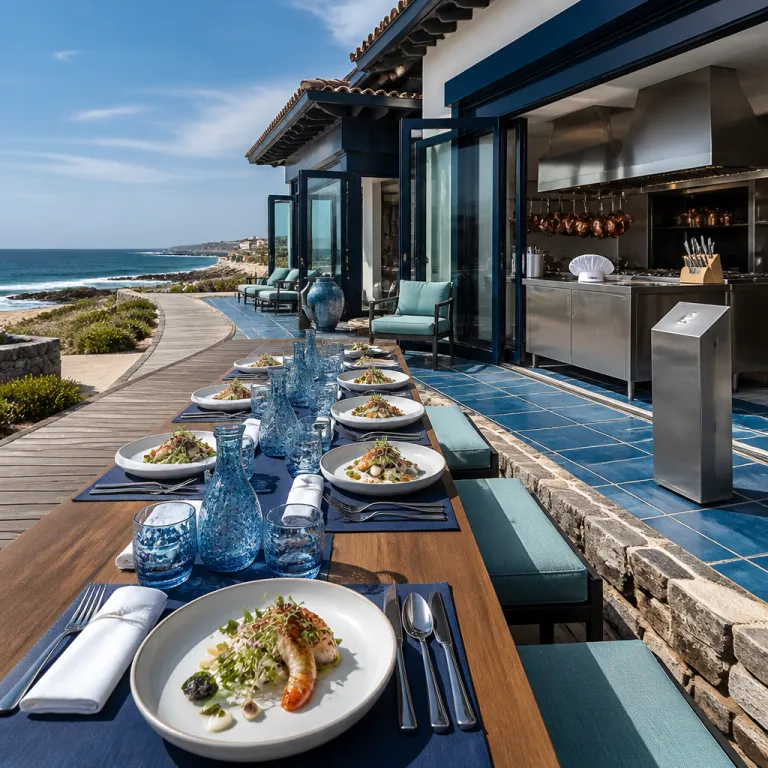
How a refined v4 booking journey transforms luxury homestays with chefs
In this context, a refined v4 booking journey simply means a fourth-generation, fully evolved booking flow that feels curated rather than clunky. Such a mature, chef-centric reservation experience can turn a simple homestay into a tailored culinary retreat. When a luxury homestay booking platform structures its advanced booking pipeline around food experiences, guests feel guided rather than overwhelmed by options. This evolution in the v4 booking journey matters most when you are choosing a stay for its renowned chef and not only for its design.
On a mature fourth-generation booking pipeline, every step connects your travel dates, dietary preferences, and chef-led experiences into one coherent flow. Instead of clicking through generic room categories, you see homestays grouped by chef reputation, tasting menus, and proximity to local markets within a clear, visual interface. This upgraded booking logic helps you compare a countryside villa with a farm-to-table chef against a city loft where a Michelin-starred chef offers private omakase dinners.
For luxury travelers, the v4 booking journey should surface chef credentials as clearly as bed types or pool size. You expect to see where the chef trained, which restaurants they led, and whether they specialize in Nordic tasting menus, Provençal cuisine, or plant-based fine dining. A well-designed, fourth-generation booking pipeline makes these chef details filterable, so you can shortlist only those homestays that match your culinary ambitions for the trip.
Designing a v4 booking pipeline around renowned chefs and curated menus
When a high-end homestay reservation site reaches a v4 booking stage, it can finally treat chefs as the central feature, not an afterthought. The interface should let you start your search from the chef profile itself, then show only the villas, chalets, or city apartments where that chef cooks regularly. This chef-first, fourth-generation booking approach mirrors how many travelers already plan trips around restaurant reservations.
In a strong v4 booking pipeline, each chef page reads like a compact, trustworthy dossier. You see past restaurant affiliations, awards, sample menus, and whether they offer breakfast only, half board, or fully immersive tasting journeys across several evenings. High-resolution images of signature dishes, combined with clear explanations of sourcing and sustainability practices, help you judge whether this is the right culinary partner for your stay.
Menu transparency is another hallmark of a refined, next-generation booking journey for food-focused homestays. Guests should be able to preview seasonal menus, note which dishes can be adapted for allergies, and request specific experiences such as a market tour followed by a cooking class. When this information is integrated into the v4 booking steps, you can confirm both the stay and the chef-led program in a single, elegant transaction.
From search to table : mapping each v4 booking step to the guest experience
A thoughtful v4 booking pipeline mirrors the actual journey from arrival to the final dessert course. The search phase corresponds to inspiration, where you compare coastal homestays with seafood-focused chefs against mountain chalets known for game and foraged ingredients. Once you narrow the list, the fourth-generation booking flow should translate your preferences into concrete services, such as welcome dinners, daily breakfasts, or one-off celebratory feasts.
During the selection step, a premium vacation rental platform can use its evolved booking logic to show how each chef experience fits into your itinerary. For example, a three-night stay might include one chef’s table dinner, one casual family-style meal, and one evening left free for local restaurant exploration in the nearby town. Clear timelines, shown in local time and aligned with check-in and check-out hours, prevent misunderstandings and last-minute stress.
Payment and confirmation are where a mature v4 booking pipeline proves its value for culinary travelers. Instead of vague notes like “chef available on request”, you receive a structured confirmation listing menu themes, approximate serving times, and any agreed special touches such as birthday cakes or wine pairings. As one recent guest put it after a stay in a Tuscan farmhouse, “By the time we landed, we knew exactly which night was truffle night and when the kids’ pasta workshop would happen.” This level of clarity allows both guest and chef to prepare properly, ensuring that the first course feels as seamless as the booking itself.
Ensuring transparency, safety, and trust in chef led homestay bookings
Trust is non-negotiable when you invite a chef into your private homestay kitchen. A robust v4 booking pipeline on an upscale homestay platform should therefore highlight food safety certifications, hygiene protocols, and liability coverage in plain language. Guests need to know that every chef has been vetted for both culinary skill and professional standards.
Background checks, reference verification, and trial services can all be integrated into the fourth-generation booking backend, even if you only see the final assurance badges on the front end. Clear labeling of allergen management, cross-contamination practices, and emergency procedures reassures guests with specific health needs, from celiac disease to severe nut allergies. When the platform explains how it audits chefs and kitchens, it strengthens its reputation as a reliable intermediary rather than a simple listing site.
Pricing transparency is equally important in a chef-focused v4 booking journey. Guests should see exactly what is included in the nightly rate, what is charged per person, and which services such as wine pairing or grocery sourcing incur extra fees. When these details are itemized before payment, you can align expectations with your chef and avoid awkward conversations during your stay.
How renowned chefs shape destination choice on luxury homestay platforms
For many high-end travelers, the chef now influences destination choice as strongly as the landscape. A luxury and premium booking website for homestays that has reached a refined v4 booking phase can capitalize on this by curating collections around culinary themes. You might browse “Mediterranean seafood escapes” or “alpine fire and foraging stays” rather than starting with a generic map view.
Renowned chefs often bring their own followings, and a smart fourth-generation booking pipeline makes it easy for fans to travel to them. When a chef leaves a famous restaurant in Paris or Copenhagen to host intimate dinners in a countryside homestay, the platform should update availability, menus, and pricing in real time. For example, when several European villa specialists began promoting guest-chef residencies with alumni of Michelin-starred kitchens, they reported faster sell-outs of peak weeks and longer average stays, even without discounting.
Destination storytelling also benefits from chef-centered curation within the v4 booking journey. Detailed descriptions of how a chef works with local fishermen, farmers, or winemakers help you understand the region through its ingredients. When you can see, at a glance, how your stay supports local producers and culinary traditions, the trip feels more meaningful than a standard luxury escape.
Practical tips for guests using a v4 booking journey to secure chef experiences
Travelers who care deeply about food should approach the v4 booking pipeline with a clear plan. Start by defining your priorities, whether that means daily breakfasts cooked by a resident chef, one spectacular tasting menu, or hands-on cooking classes for the whole family. With these goals in mind, you can use filters and chef profiles more effectively on any luxury and premium booking website for homestays.
When you find a promising homestay, read the chef section of the listing as carefully as the room descriptions. Look for concrete details such as maximum group size, menu flexibility, and whether the chef can adapt to vegetarian, vegan, or low-sodium diets without compromising quality. If the fourth-generation booking flow allows you to add notes, use that space to share preferences, allergies, and any cultural or religious requirements related to food.
Timing also matters in a chef-focused v4 booking journey, especially during peak seasons in popular regions. Booking early increases your chances of securing preferred dates and special experiences such as vineyard dinners or truffle hunting followed by a private feast. By treating the chef component as integral to the reservation rather than a last-minute add-on, you give both yourself and the culinary team the best chance of creating an exceptional stay.
Key figures on luxury homestays and chef led travel experiences
- According to Skift Research’s reports on luxury travel and culinary tourism trends, high-income travelers are consistently more likely to choose accommodation based on food experiences, with culinary interest frequently ranking among the top three decision factors for luxury trips in recent surveys.
- Data summarized by the World Food Travel Association indicates that food-motivated travelers typically allocate a larger share of their overall trip budget to dining and gastronomic activities than other segments, which directly supports the growth of chef-led homestay offerings.
- Booking platform analyses reported by industry consultancies show that properties featuring named chefs or structured culinary programs often achieve stronger repeat-guest performance and more resilient occupancy than comparable listings without such experiences, especially in competitive luxury markets.
- Surveys by leading hospitality schools suggest that guests who participate in at least one curated dining event during a stay are more likely to leave five-star reviews, improving overall ratings and future booking performance for those homestays.
FAQ : luxury homestays with renowned chefs and refined booking journeys
How early should I book a luxury homestay with a renowned chef ?
For peak seasons and highly rated chefs, aim to complete your v4 booking journey at least three to six months before arrival. This window gives you better access to preferred dates, menu options, and special experiences such as market tours or vineyard dinners. Last-minute availability can exist, but it is usually limited to less flexible time slots or shorter stays.
What information should I share with the chef during the booking process ?
Use the v4 booking pipeline to share allergies, dietary restrictions, and any strong dislikes, along with cultural or religious requirements related to food. Mention whether you prefer formal plated dinners, relaxed family-style meals, or interactive cooking sessions. The more precise you are, the easier it is for the chef to design menus that feel both safe and memorable.
Are chef services usually included in the nightly rate of luxury homestays ?
On many luxury and premium booking websites for homestays, basic chef services such as breakfast or one welcome dinner may be included, while additional meals and premium experiences are charged separately. A clear v4 booking journey will itemize what is included and what is optional before you pay. Always review the pricing breakdown carefully to avoid surprises on site.
How can I verify the quality and safety standards of a homestay chef ?
Look for detailed chef profiles that list training, past positions, and any food safety certifications, along with verified guest reviews that mention hygiene and professionalism. Platforms with a mature fourth-generation booking pipeline often conduct background checks and on-site audits, then display trust badges or verification notes on the listing. If information feels vague, contact customer support before confirming your stay.
Can families with children benefit from chef led experiences in luxury homestays ?
Families often find that chef-led stays make mealtimes easier and more enjoyable, especially when menus can be adapted for younger palates. Many chefs on luxury and premium booking websites for homestays offer child-friendly dishes, early dinner times, and simple cooking activities that engage children safely. When using the v4 booking journey, mention ages and preferences so the chef can plan appropriately.
References
- Skift Research – reports on luxury travel and culinary tourism trends.
- World Food Travel Association – global data on food-motivated travelers.
- Booking.com and similar platforms – industry insights on guest review patterns and amenity impact on occupancy.