Why the best homestay bedrooms now start with sleep science
The global sleep economy has become a serious business for luxury travel. When you book a homestay for business leisure, the restful bedroom homestay sleep quality design matters more than the thread count. You are not just choosing a beautiful room ; you are choosing how your head will feel at eight the next morning.
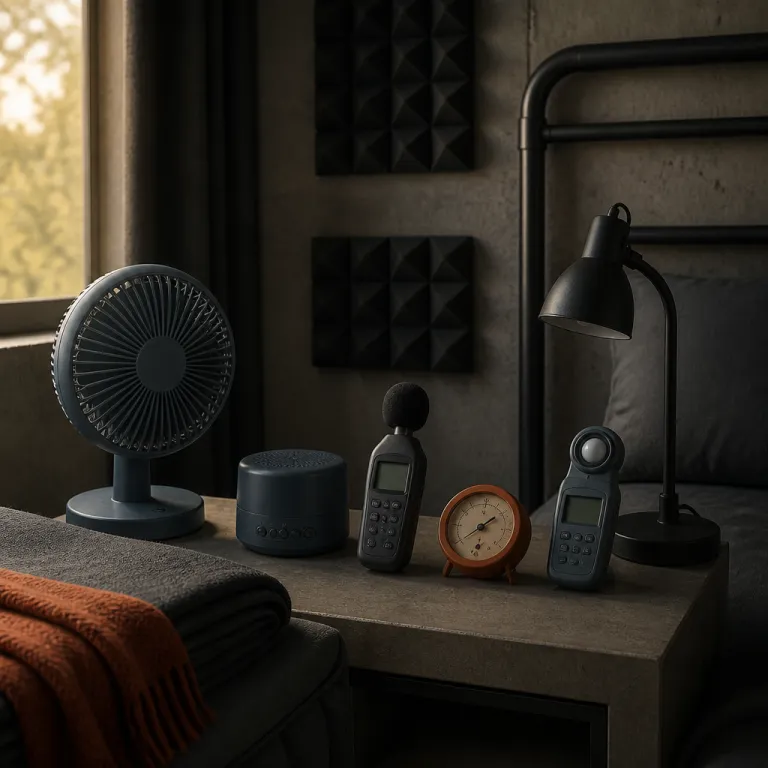
Sleep specialists such as the Sleep Foundation and Dr. Abhinav Singh have shown that sound, light, and temperature form the non negotiable trio for restorative rest. Their research, based on sleep studies and environmental assessments, underlines that “65-68°F (18-20°C) is optimal for most adults.” This is where luxury homestay hosts quietly outpace many hotel brands, because they can tune a single bedroom rather than a whole floor of anonymous rooms.
Think of the best homestay as a piece of wellness architecture, not just a charming place with flowers on the nightstand. A well considered space uses circadian friendly light, solid wall materials, and smart thermal design to protect your sleep every day of the trip. When you scan listings, look for language about quiet residential spots, blackout solutions, and temperature control ; these are the real luxury things that separate marketing from measurable comfort.
Soundscaping: why the quietest luxury is often outside the hotel
Noise is the enemy that most travelers underestimate when they picture a romantic bedroom. In a typical city hotel, corridor footsteps, elevator chimes, and late night doors create unpredictable spikes that fragment sleep over time. A well chosen homestay in a residential space usually removes that entire layer of background disturbance.
Research summarized by the Sleep Foundation shows that unpredictable sounds wake the brain, while consistent noise can fade into the background. That is why a homestay on a calm street, with double glazed windows and soft furnishings, often delivers the best sleep quality design for executives who need to feel sharp the next day. You trade lobby bustle for the quieter charm of lived in rooms, where the only sounds might be a neighbour’s kettle or distant church bells.
When you read a listing, scan for clues about soundscaping in both the singular bedroom and any additional bedrooms. Phrases such as “residential neighbourhood”, “no shared walls with bars”, or “solid masonry construction” usually signal quieter spots than a central hotel above nightlife. For deeper context on how architecture shapes atmosphere beyond the bedroom, our guide to monastic minimalism in luxury homestays explains why fewer hard surfaces and less visual clutter often correlate with calmer acoustics.
Thermal design: how temperature and airflow script your night
Temperature is the most measurable pillar of restful bedroom homestay sleep quality design. The Sleep Foundation and Indiana Sleep Center converge on a narrow comfort band around 18 to 20°C, which many luxury properties now target with smart thermostats. In practice, the best homestay bedrooms combine precise control with natural airflow, instead of relying only on aggressive HVAC.
Look closely at listing photos of the room and wider space, not just the styled bed. Large operable windows, ceiling fans, and cross ventilation suggest that the bedroom can breathe on a warm day without blasting cold air all night. In cooler climates, thick curtains, rugs, and solid headboards help the head and neck stay insulated while the air remains slightly cool for optimal sleep.
Thermal design also intersects with wellness features that are moving from private villas into urban luxury homestays. Infrared saunas, plunge pools, or dedicated relaxation spots can help regulate body temperature before bed, especially after a long hotel conference day. To understand why some homes feel thermally balanced while others only photograph well, read our visual literacy guide on why some homes photograph better than they stay before you commit to a booking.
Circadian light and biophilic design: teaching the room to respect your body clock
Light is the quiet architect of your sleep, and luxury hosts are finally treating it that way. Scientific reviews show that even low levels of artificial light can suppress melatonin, the hormone that signals your body it is time to sleep. That is why a thoughtful homestay bedroom will combine blackout options, layered lamps, and warm colour temperatures instead of a single harsh ceiling fixture.
Biophilic design, which brings natural elements into interior space, is not just about beautiful flowers or a retro plant stand. Access to morning daylight, views of trees or courtyards, and organic textures all help reduce stress before your head touches the pillow. For travelers extending a business trip into leisure, this kind of romantic but grounded bedroom design can make the difference between waking foggy and waking ready for another full day.
When you evaluate listings, study how the light falls in both the singular bedroom photo and the wider room sequence. South or east facing windows usually support better circadian alignment, especially if you keep curtains slightly open to wake with natural light. For a deeper dive into how courtyards and open air architecture shape light and feel across a property, our feature on courtyard living in luxury homestays shows why some spots feel instantly calming from the first step inside.
How to read a listing: from photos to pointed questions for hosts
Most travelers still choose a luxury homestay bedroom based on styling rather than sleep metrics. To align with the restful bedroom homestay sleep quality design you actually need, start by zooming in on construction details instead of cushions. Look for solid doors, thick walls, and minimal gaps around windows in every bedroom photo, because these things quietly dictate both sound and temperature stability.
Next, read the description as if you were editing it for a wellness magazine. Does the host mention blackout curtains, dimmable light, or a thermostat you can control in your room, not just in shared space ? Are there references to quiet residential spots, or to nightlife and bars that might feel exciting by day but intrusive when it is time to sleep ?
Before you book, send the host a short, precise list of questions about the bedroom environment. Ask which direction the windows face, whether the room gets early morning light, and if there is any regular noise from neighbours or nearby hotel loading bays. Clarify whether you can adjust the temperature yourself and whether the bed has a solid headboard, since that small piece of design can make a romantic bedroom feel more cocooned and secure when your head finally comes to rest.
Questions to ask and details that separate good from truly luxury sleep
Once you start interrogating listings through the lens of sleep, the gap between good and genuinely luxury homestays becomes clear. A property that invests in restful bedroom homestay sleep quality design will usually be proud to explain its choices. Hosts who speak confidently about insulation, window glazing, and layered light tend to run spaces where every room has been tuned for rest, not just styled for a photo.
Ask about the exact temperature control options in the bedroom and whether the thermostat is shared with other rooms. Clarify if there are blackout blinds as well as curtains, and whether any indicator lights from devices can be dimmed at night. Inquire about mattress firmness, pillow options, and whether the host can remove scented flowers or diffusers if you prefer a neutral feel for sleep.
Finally, pay attention to how quickly and specifically a host responds to these questions. Detailed answers about quiet spots in the building, typical noise patterns by time of day, and how the light changes through the seasons signal a level of care that most hotel front desks cannot match. For business leisure travelers, that combination of charm, evidence based design, and attentive communication is often the best predictor that you will wake up feeling not like a guest, but like a well rested neighbour.
FAQ: sleep quality in luxury homestay bedrooms
What is the ideal bedroom temperature for sleep in a homestay?
Most adults sleep best when the bedroom is kept between 18 and 20°C. In a luxury homestay, look for individual thermostats or smart climate systems that let you set this range in your own room. If temperature is centrally controlled, ask the host whether windows can be safely opened at night to fine tune the feel of the space.
How does light in the bedroom affect my sleep quality when I travel?
Even dim artificial light can interfere with melatonin production and delay sleep onset. When choosing a homestay, prioritise bedrooms with blackout curtains or blinds, plus warm, dimmable lamps instead of only bright overhead light. If you cross time zones, east facing windows can help you reset your body clock by giving you natural morning light.
Can noise in a homestay really be better than in a hotel?
Residential homestays often avoid the corridor noise, elevator sounds, and late night arrivals that are common in hotels. A well insulated bedroom on a quiet street usually provides more consistent sound conditions, which supports deeper sleep. Always ask the host about nearby bars, traffic patterns, and whether the room shares walls with other guests.
How can I tell from photos if a bedroom will feel restful?
Look for thick curtains, solid doors, rugs, and upholstered furniture, because these elements absorb sound and soften the room. Notice how daylight enters the space and whether there are multiple light sources for evening, not just one ceiling fixture. A calm, uncluttered design with a sturdy headboard and minimal bright electronics usually signals a more sleep focused environment.
What questions should I ask a host before booking for sleep quality?
Ask about window orientation, typical street noise by time of day, and whether you can control the bedroom temperature independently. Clarify the type of mattress and pillows, and whether the host can remove strong scents or bright digital clocks if needed. These targeted questions quickly reveal whether the property’s design and service standards truly support high quality sleep.