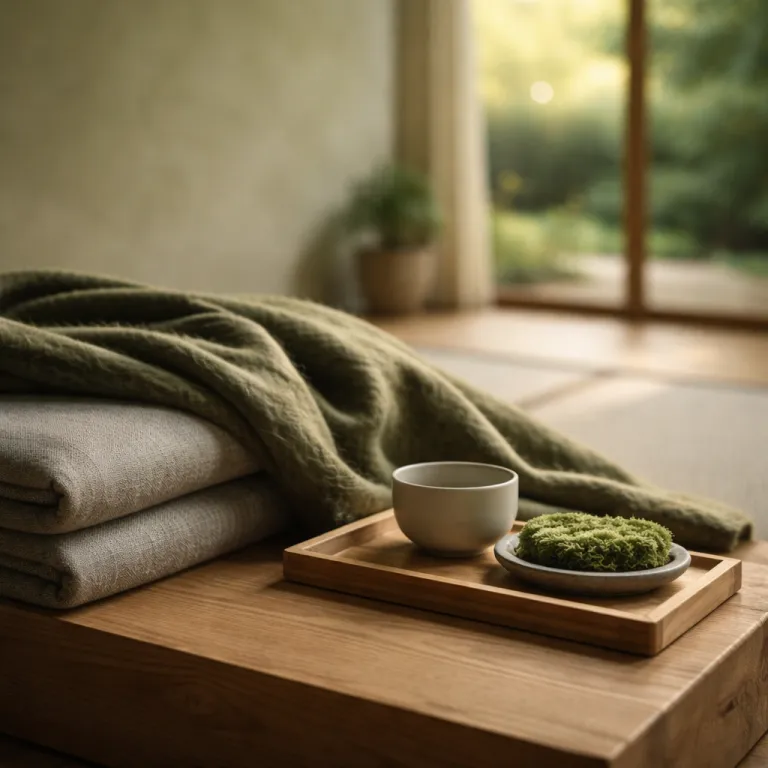
From maximalist excess to monastic calm
Minimalist luxury homestay design 2026 is not about empty rooms. It is about a confident interior design language where every room, object, and lighting choice earns its place and quietly serves the guest experience. When you book a luxury stay through a curated platform such as homestayplace.com, you are increasingly choosing hotels and homestays that use restraint as their most persuasive design tool.
High net worth guests are moving away from the traditional luxury hotel formula of heavy décor and ornate elements. They are gravitating instead toward monastic inspired escapes where the interior feels almost cloister like, yet the comfort level is uncompromising and the sense of care is unmistakable. Industry booking reports from European design-led operators between 2022 and 2024 indicate that pared back, chapel like retreats now represent a significant share of advance luxury reservations, confirming what many design hotels have been quietly perfecting for years.
In this new chapter of minimalist luxury accommodation, less decoration signals more intention. A restrained color palette, open layouts, and carefully framed natural light show that the host understands both design styles and human behavior, rather than simply following trends. When you check into a property such as Limehouse Cottage in County Kerry or The Meadows in rural England, you notice specific details – from low profile furniture to hidden storage – that make the space feel edited for your mind as much as for your eyes.
How minimalist interiors reshape wellness and rest
Monastic minimalism in interior design is directly linked to wellness outcomes. When a room is stripped back to essential elements, your nervous system has fewer visual demands, and the guest experience becomes calmer almost by default. Hospitality research from Cornell University and similar institutions has reported that guests in visually simplified suites tend to log higher sleep quality scores, echoing wider data that connects contemporary minimalist luxury stays with lower stress levels, deeper sleep, and longer visits among affluent guests.
Design hotels leading this movement use natural materials such as raw timber, linen, clay, and wood stone combinations to soften every surface. These eco friendly choices are not only tactile; they also help regulate temperature and acoustics, which quietly improves comfort for couples who value rest as much as romance. Many of these properties are deliberately energy efficient, using thick stone walls, high performance glazing, and thoughtful lighting design instead of flashy technology that distracts from the sense of retreat.
One expert description from a recent European Hotel Design Awards panel captures the shift succinctly: "A design trend emphasizing simplicity and mindfulness in accommodations." When you walk into The Beach Shack in Cornwall, for example, the color palettes are muted, the indoor plants are few but thriving, and the indoor outdoor threshold is handled with sliding doors that open the entire façade to sea air. The result is a nature inspired sanctuary where the style feels modern yet timeless, and where your stay becomes a quiet reset rather than a busy photo shoot.
Reading the room: thoughtful minimalism versus under-furnished listings
Not every sparse interior deserves to be called minimalist luxury homestay design 2026. Some listings are simply under furnished, and the difference matters when you are investing in a special trip. The key is to read the room carefully before you book and to check whether the space reflects deliberate interior design choices or just a lack of effort.
Thoughtful minimalist rooms always have clear focal points that anchor the space, whether it is a statement bathtub, a sculptural fireplace, or a perfectly framed view. The color palette will feel cohesive across rooms, with subtle variations in tone rather than random color clashes that break the sense of calm. Look for design styles that repeat quietly: the same wood stone pairing on floors and benches, the same lighting temperature in bedside lamps and ceiling fixtures, the same indoor plants reappearing as gentle green punctuation.
By contrast, an under furnished hotel room or homestay often lacks these connecting elements and feels more like a half finished project. You might see harsh lighting, mismatched furniture styles, or empty corners that do not serve as intentional negative space. In a recent internal review of premium listings, one homestayplace.com curator described the best minimalist luxury rentals as "spaces where every absence is meaningful, and every object supports your stay rather than filling a catalog checklist" – a useful lens when you compare photos and floor plans.
Materials, light, and layout: the new language of quiet luxury
The most convincing examples of minimalist luxury homestay design 2026 share a common material vocabulary. Hosts and interior designers are turning to natural materials such as limewashed plaster, pale oak, honed stone, and unvarnished timber to create a soft, tactile envelope. These elements age gracefully, which reinforces the sense that the hotel or homestay is designed for long term living rather than short term spectacle.
Lighting is treated as architecture rather than decoration, with layered lighting design that shifts from bright, functional levels to warm, intimate pools in the evening. Couples should look for properties where natural light is celebrated during the day through generous windows, indoor outdoor transitions, and sliding doors that erase the boundary between terrace and living room. At night, dimmable fixtures, concealed LED strips, and bedside lamps with warm color temperatures help regulate circadian rhythms and support better rest.
Open layouts are another hallmark of this style, but they are handled with care. Instead of vast, echoing spaces, the best design hotels and homestays use subtle level changes, rugs, and furniture placement to define zones within a single space. A kitchen where the host teaches you a family recipe, a reading nook with a single armchair, and a bedroom with a low platform bed all feel distinct, yet the overall interior remains coherent and calm.
Practical guidance for couples booking minimalist luxury stays
For couples planning a romantic escape, minimalist luxury homestay design 2026 offers both aesthetic pleasure and practical advantages. Fewer visual distractions mean more attention on each other, and a carefully edited interior can make even a compact space feel generous. The rise in advance luxury bookings for monastic inspired escapes – with some coastal retreats on homestayplace.com reporting peak season calendars filling months ahead – suggests that high net worth guests are willing to plan earlier to secure these rarefied rooms.
When browsing hotels and homestays on homestayplace.com, pay close attention to how the listing describes interior design, color palettes, and materials. Look for language that references natural materials, energy efficient systems, and nature inspired features such as moss walls, open courtyards, or living roofs, which are explored in depth in this guide to biophilic design rewriting luxury homestay standards. Properties that highlight indoor plants, indoor outdoor bathing spaces, and calm design styles usually deliver a more coherent guest experience than listings that simply mention a luxury hotel label.
Before you confirm your stay, check floor plans or photos for open layouts that still protect privacy, especially if the room opens directly onto a terrace or shared garden. Notice whether the lighting appears adjustable, whether the color palette feels soothing, and whether the rooms show signs of real life such as books, ceramics, or textiles rather than generic décor. The most successful minimalist luxury homestay design 2026 properties make you feel like a temporary neighbour, not a transient guest, and that quiet familiarity is the new benchmark of true luxury.
FAQ
What is monastic minimalism in luxury homestays ?
Monastic minimalism in luxury homestays refers to interiors that borrow the calm, pared back aesthetic of monastic spaces while maintaining high levels of comfort and service. Spaces are edited to essential elements, with restrained color palettes, natural materials, and carefully controlled lighting. The goal is to create a mindful environment that supports rest, reflection, and a deeper connection to place.
Why are travelers seeking minimalist luxury experiences ?
Affluent travelers are increasingly using their hotel or homestay stay as a reset from digital overload and urban noise. Minimalist luxury homestay design 2026 supports this by reducing visual clutter, emphasizing natural light, and using eco friendly materials that feel soothing to the senses. Many guests report better sleep, lower stress, and a stronger sense of presence in these environments.
How can I find homestays with minimalist luxury design ?
To locate properties that embody minimalist luxury homestay design 2026, search for listings that highlight monastic inspired interiors, neutral color palettes, and nature inspired features. On curated platforms such as homestayplace.com, filter for design led stays and read descriptions for mentions of natural materials, open layouts, and wellness focused amenities. Photos should show coherent rooms with clear focal points, generous natural light, and a restrained yet warm style.
What materials define this minimalist luxury aesthetic ?
The most characteristic materials include limewashed walls, raw or lightly finished timber, natural stone, linen, and clay based finishes. These natural materials help regulate temperature and acoustics, making rooms more comfortable while also supporting energy efficient building strategies. When combined with soft lighting design and a calm color palette, they create interiors that feel both modern and deeply rooted in their surroundings.
How do I tell if a minimalist listing is truly luxurious or just bare ?
A genuinely luxurious minimalist space will show evidence of careful interior design, from consistent color palettes to well considered lighting and high quality finishes. Look for focal points such as a crafted fireplace, a generous bathtub, or a beautifully framed view, and check that furniture and textiles appear comfortable rather than merely functional. If the rooms feel empty without intention, lack natural light, or show mismatched styles, the listing is likely under furnished rather than thoughtfully minimalist.