Why multi generational summer homestay family travel is reshaping luxury stays
Multi generational summer homestay family travel is no longer a niche idea. It now represents a powerful shift in how affluent families think about travel, with three generations often choosing one address instead of three hotel rooms. A 2023 survey by the Family Travel Association found that 47% of U.S. parents took at least one multigenerational trip in the previous year, a figure confirmed in the association’s published research summary, and hosts and platforms that understand this dynamic are quietly setting a new standard for luxury.
For a summer homestay to work, the property must respect every stage of family life. Grandparents need calm spaces and health safety features, while younger travelers want experiential learning and a sense of freedom that nudges them just outside their comfort zone. Parents sit in the middle, trying to balance budget, time, and the wish to save emotional energy by choosing a place that simply works from the first evening meal.
Homestays excel here because they offer a lived in setting where relatives can feel like a household rather than guests. A strong host understands that a multigenerational group is not just a booking but a small community arriving for a short, intense chapter of shared life. As one Italian host in Umbria explains, “When three generations arrive, I plan the week like a festival program, with quiet mornings for grandparents and more active afternoons for the younger ones.” The best hosts design their programs of service around that reality, from flexible check in to quiet guidance on local culture and language.
In practice, this means looking beyond glossy photos and asking how the space will hold three generations for a full week. Does the layout allow a host family to give you privacy while still being available when family help is needed, such as arranging a doctor or a driver. And does the wider homestay experience support cultural immersion, so that even a simple visit to the market becomes part of your family travel story. When you review listings, look for clear floor plan descriptions, sample daily itineraries, and photos with alt text that explain how each room serves different ages.
Space, layout and accessibility for three generations under one roof
Start with numbers, not nostalgia, when you plan multi generational summer homestay family travel. For six to ten guests, you should look for at least four bedrooms, three bathrooms, and two distinct common areas so that different programs of daily life can unfold without friction. This is where private accommodation consistently outperforms traditional hotels for group travel, because a generous living room and a real dining table change how a family uses its time together.
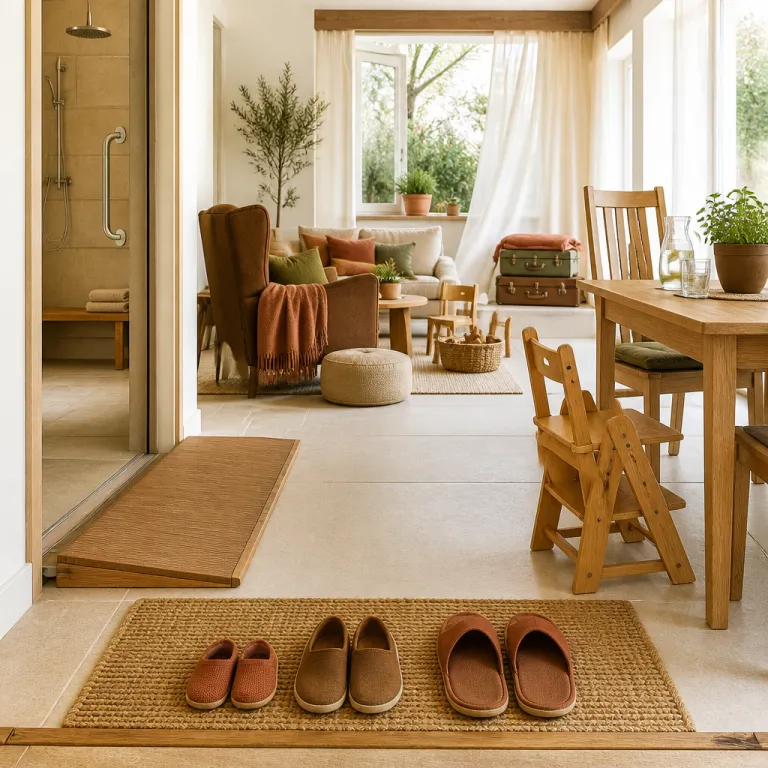
Accessibility is non negotiable when grandparents join the trip and you want to be sure family members feel secure. Prioritize ground floor bedrooms, step free access from car to door, and walk in showers with grab bars, especially in older historic homestays where charm sometimes hides hazards. Ask the host specific questions about stair heights, corridor widths, and whether a wheelchair or stroller can move easily between the main social spaces.
Bathroom ratios matter more than you think on a summer morning when everyone wants to visit the beach or an iconic city at the same hour. A layout with at least one bathroom per two guests keeps the day’s travel programs running smoothly and reduces the small tensions that can erode a great travel experience. When you read listings, look for floor plans or ask the host families directly for a sketch, because this simple step can save both time and patience.
Privacy within togetherness is the quiet luxury that defines the best places for three generations. Seek properties with a garden, terrace, or small annex where teenagers can listen to music while grandparents read, and where parents can meet people from the neighborhood without disturbing nap schedules. For long weekends such as the Memorial Day break, curated guides like this short list of refined long weekend homestays can help you better understand which layouts genuinely support multigenerational families. A simple sample layout might show two bedrooms and a bathroom on the ground floor for older relatives, with additional rooms and a second sitting area upstairs for younger guests.
Kitchen rituals, activity range and cultural immersion for all ages
In multi generational summer homestay family travel, the kitchen becomes the real lobby. Cooking for eight or more requires more than a decorative kitchenette, so look for a full size fridge, a proper oven, sharp knives, and enough plates that no one is washing up between courses. A thoughtful host will often leave a starter program of pantry essentials and local produce, which instantly makes three generations feel family around the table.
Location should offer both gentle walks for grandparents and more intense adventure for younger travelers who want to push their comfort zone. Coastal regions, mountain valleys, and working farms near small iconic cities often deliver this mix, allowing different travel programs to run in parallel while everyone still meets for lunch. Properties featured in curated collections such as these five star farmstays where agriculture meets luxury accommodation show how experiential learning can be woven into daily life.
Cultural immersion is where homestays abroad truly excel, especially for families who want their children to learn about another culture and language in a natural way. A strong host family might invite you to a local festival, arrange a simple language program with a neighbor, or share recipes that have never been written down. These small gestures turn a standard trip into a layered travel experience where three generations share the same cultural story from different angles.
Destinations such as Costa Rica illustrate this beautifully, because you can combine rainforest walks, gentle beach days, and visits to small towns in one itinerary. In such places, travel tips from local host families often matter more than any guidebook, especially when they share advice on health safety, driving times, and the best places to visit with children and grandparents together. One family of eight reported that their host’s printed health and safety sheet, with emergency numbers and clinic locations, “saved us an hour of searching” on the first day. When you choose a homestay, ask how the host can help your family learn, meet people, and better understand the local culture without feeling rushed.
Booking strategy, cost sharing and choosing the right homestay platform
Planning multi generational summer homestay family travel works best when you treat it like a small project. Use family group chats and shared documents to align expectations on budget, bedroom allocation, and the balance between private time and shared activities. Many families now plan three to six months ahead, then book two to three months before travel, which matches the pattern seen across leading homestay platforms.
Cost sharing is often easier in a homestay than in a hotel, because the nightly rate, food shopping, and any paid programs can be divided transparently. One approach is to have one person handle the main booking while others transfer their share before departure, which helps save both money and emotional energy once you are abroad. When you compare options, remember that a higher nightly rate can still be the best value if it reduces the need for restaurants and paid activities every day.
Health safety should sit alongside design and location in your decision making, especially when three generations travel together. Ask hosts about medical facilities within a thirty minute drive, emergency numbers, and any specific local risks such as heat, altitude, or water quality, because these details matter more when you travel with grandparents and young children. Many experienced host families now include a simple health and safety sheet in their welcome program, which is a reassuring sign of professionalism.
Historic homestays in iconic cities or along classic coasts can be ideal for families who want both character and comfort. Collections such as these luxury villas on the French Riviera show how a well curated platform can filter properties that genuinely suit three generations under one roof. As one expert summary from a 2022 luxury travel report puts it, "Select accommodations with ample space, accessibility features, and diverse amenities," a recommendation that aligns with the report’s published findings. When you read reviews, look for mentions of real nightly rates, occupancy levels, and how well the property handled a full house of grandparents, parents, and children.
FAQ
How far in advance should we book a multigenerational homestay for summer
For multi generational summer homestay family travel, start serious planning at least three to six months before your preferred dates. This gives families enough time to align on budget, travel programs, and accessibility needs for grandparents and children. In popular coastal and mountain regions, the best places for three generations often sell out two to three months before peak summer, so early booking helps you save both money and stress.
What makes a homestay better than a hotel for three generations
A homestay offers shared living spaces, a proper kitchen, and a more flexible layout, which suits three generations under one roof. Grandparents can rest in a quiet room while children play in the garden, and parents can manage daily life in a way that feels close to home. This structure supports cultural immersion, because a good host family helps your family learn about local culture and language through everyday routines rather than staged programs.
How can we balance different activity levels in one multigenerational trip
Choose a location where gentle walks, cultural visits, and more active sports all sit within a short drive. Build a loose program with optional morning activities and shared meals, so grandparents can visit a museum while teenagers try a new sport, then everyone meets people from the neighborhood over dinner. Flexible travel tips from your host, such as the best times to visit iconic cities or beaches, will help you better understand how to keep all ages engaged without exhausting anyone.
What should we ask hosts about health and safety before booking
Before confirming, ask the host about the nearest clinic or hospital, emergency numbers, and any local health safety considerations such as heat or water quality. Clarify whether the property has smoke detectors, pool fencing if relevant, and safe stairs or railings for grandparents and young children. A professional host will answer clearly and may even share a written health and safety guide as part of their welcome program.
How do we manage privacy when three generations share one homestay
Look for a layout with separate sitting areas, a garden, or an annex so that different parts of the family can enjoy quiet time. Agree in advance on bedroom allocation and simple house rules, such as quiet hours or screen time, to keep the atmosphere calm. When the physical space and the family expectations align, everyone can step out of their comfort zone just enough to enjoy a richer travel experience without feeling crowded.