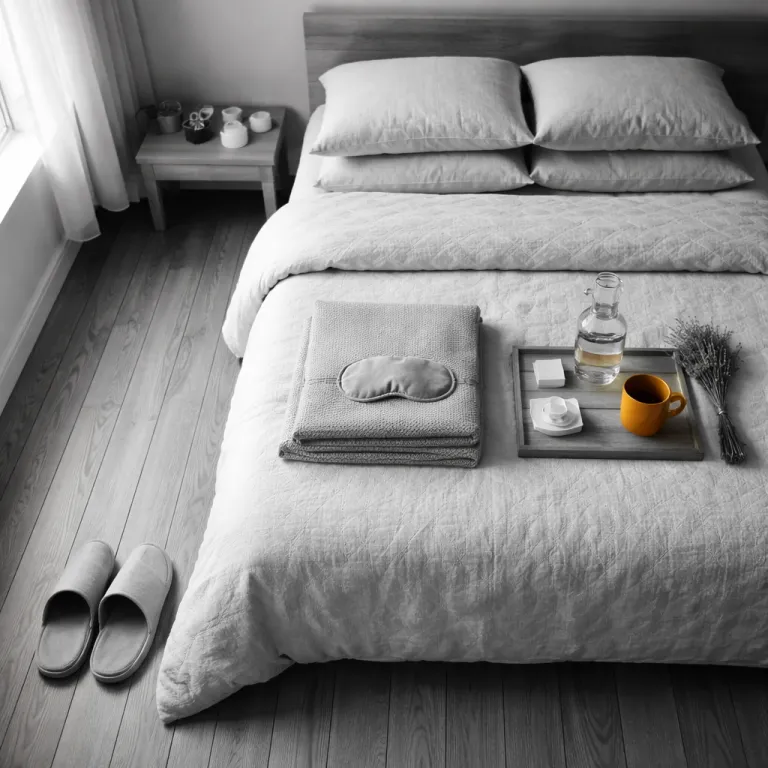
From décor to deep rest: how luxury homestays now compete on sleep
Luxury homestays are quietly redefining what premium travel means, shifting focus from statement bathtubs to the kind of sleep that resets your nervous system. In a global sleep economy now estimated at over $580 billion by McKinsey & Company and the Global Wellness Institute (2023), the most sophisticated hosts understand that high quality rest in private rentals is no longer a niche preference but the core of a new sleep focused travel market. For couples used to polished luxury hotels and large hotel resorts, the right historic homestay can feel like a private wellness retreat where every detail is tuned to restorative nights.
Industry data shows that guests are not just curious about better sleep; they are willing to pay significantly more when a property proves it can deliver it. A 2023 American Hotel & Lodging Association survey reported that more than 70% of travellers would pay a premium for guaranteed quiet rooms and upgraded bedding, while Marriott International has publicly linked improved sleep environments to double digit gains in guest satisfaction scores in its internal research. These kinds of findings now shape how serious homestay owners design their rooms, from mattress choice to blackout solutions. This is where sleep focused historic houses in southern Spain, the United Kingdom, South Africa or India start to outplay conventional resorts, because their owners can rework a single suite around sleep patterns instead of retrofitting an entire resort tower.
For couples planning a long term escape, this shift changes how you read every listing. You are no longer just scanning for a spa or yoga deck; you are decoding whether the host has thought about soundproofing, temperature control and sleep inducing lighting with the same care as the kitchen tiles. When you see language about wellness programs, sleep retreats or a dedicated sleep retreat wing in a historic villa, you are looking at the front line of wellness tourism where homestays now rival wellness resorts and urban resorts in the United States or United Kingdom, often with more personalised attention to sleep health.
Circadian lighting in a lived in house, not a lab like suite
In a hotel environment, circadian aligned lighting usually means a pre programmed system that shifts colour temperature from cool daylight to warm amber, often hidden behind slick touch panels. In a luxury homestay, the same principle of sleep friendly lighting design plays out more quietly, through layered lamps, dimmers, shutters and the way south facing windows are shaded to protect natural sleep patterns. The best sleep focused hosts understand that your nervous system responds not only to high tech bulbs but also to how morning light filters through linen curtains in a 200 year old stone house.
When you assess a listing, look for concrete details rather than vague wellness language. Phrases such as “blackout curtains in all bedrooms”, “sleep inducing warm light after sunset” or “separate reading lamps on each side of the bed” signal that the owner has moved beyond décor into functional sleep tourism thinking. This is where homestays can outperform many luxury hotels and large hotel resorts, because a single owner can fine tune every lamp and blind for one couple instead of designing for anonymous people on a busy corridor.
Hosts who take wellness seriously often collaborate with sleep technology companies, interior designers and wellness consultants to integrate circadian ideas into historic spaces. Some send a short pre arrival questionnaire asking about your usual day and preferred wake time, then adjust lighting scenes or even recommend a yoga or spa session to ease jet lag on arrival. If you want to understand why the most restorative properties rarely appear on mass platforms, read this guide to why the best homestays are not found on generic booking sites before you choose your next wellness retreat or series of sleep retreats.
Architecture for sleep: what separates a pretty room from real recovery
Good looking bedrooms are everywhere; rooms that genuinely improve sleep quality are rare. In the high end homestay wellness space, the difference usually comes down to four architectural basics that matter more than any thread count or brand name. Those basics are soundproofing, temperature control, air quality and darkness, and they are as relevant in a hilltop finca in south Spain as in a Victorian townhouse in the United Kingdom or a wine farm in South Africa.
Soundproofing is the most underrated luxury in historic homestays, especially for couples escaping dense cities. Thick stone walls in rural India or Africa can help, but you still want to see explicit details about double glazing, solid doors and quiet mechanical systems, because these are what turn a charming room into a true sleep retreat. Temperature control is equally non negotiable; look for independent thermostats, ceiling fans and the ability to open windows safely, since your nervous system and mental health both benefit when you can fine tune the climate instead of relying on a central hotel style system.
Air quality is where wellness tourism meets design intelligence. Properties that mention HEPA filters, low VOC paints, natural materials and cross ventilation are signalling a deeper commitment to wellness programs than a token spa brochure on the nightstand. When you see a host describe biophilic elements, such as views of old olive trees or a small garden for morning yoga, you are seeing how sleep tourism and wellness resort logic has migrated into private houses, a trend also visible in new high end openings highlighted in this curated list of homestay properties opening their doors for the first time.
Reading between the photos: how to audit a listing for sleep
Most couples scroll through listings at the end of a long day, half focused on views and pools. To choose a homestay that truly prioritises rest over thread count, you need to read every image and caption through the lens of sleep supportive design and wellness. That means treating each bedroom photo as data about sleep patterns, not just as inspiration for your next social post.
Start with the windows and walls, because they tell you more about sleep than any throw pillow. Can you see blackout curtains, shutters or at least layered blinds that could create a sleep inducing cave when needed, especially in bright south facing rooms in Spain, India or South Africa? If the listing mentions a nearby road, village bar or call to prayer, ask the host directly about soundproofing, because honest homestay owners who care about wellness will explain how they manage noise for their guests.
Next, study the bed and bedside area with the same scrutiny you would apply to a spa or yoga studio. Look for supportive mattresses, separate reading lamps, space to move around the bed and somewhere to place water, books and devices out of direct sight, since visual calm supports the nervous system. Serious sleep retreats and wellness resorts often show their pillow menus and mattress brands; in a homestay, you want that same level of transparency in the written details, especially if you are planning a long term stay or combining remote work with a wellness retreat style schedule.
The host as sleep concierge: from pillow menus to digital detox
In historic homestays, the most valuable amenity is often the host who understands that sleep is the new luxury. These owners treat sleep centred hospitality as a craft, not a marketing slogan, and they design every part of the stay around your ability to rest deeply. Their role sits somewhere between innkeeper and wellness retreat director, especially when they host repeat couples who return for annual sleep retreats.
Before arrival, a thoughtful host might send a short questionnaire about your usual sleep patterns, preferred pillow type and any sensitivities to scent or noise. Some in the United States, United Kingdom or Malaysia even ask about your mental health priorities, then suggest wellness programs such as gentle yoga, forest walks or access to a nearby spa rather than high intensity activities. In South Africa or rural India, you may find homestays that coordinate with local wellness resorts or small resorts to offer day passes, giving you the structure of a wellness retreat without sacrificing the intimacy of a private house.
During your stay, the best hosts act as quiet sleep concierges rather than overbearing wellness coaches. They enforce clear noise policies, offer digital detox options such as Wi Fi off hours, and provide sleep inducing amenities like herbal teas, white noise machines and blackout masks, all of which support the nervous system after long days of tourism. For couples seeking a romantic but restorative escape, properties like the refined mountain stays featured in this guide to Waynesville bed and breakfast style homestays show how a small, owner run place can rival large luxury hotels and destination resorts on pure rest.
Global sleep maps: where historic homestays turn rest into a wellness ritual
Across the world, a new geography of sleep tourism is emerging, and historic homestays sit at its most interesting edges. In south Spain, whitewashed farmhouses with thick walls and inner courtyards now double as sleep retreats, pairing siesta friendly architecture with modern wellness programs and yoga decks overlooking olive groves. In the United Kingdom and United States, Georgian townhouses and New England farmsteads are being reimagined as sleep focused sanctuaries, where couples trade downtown hotel resorts for creaking staircases, deep mattresses and carefully curated silence.
Further south, South Africa and other parts of Africa offer wine estates and coastal cottages where the night sky becomes part of the wellness ritual. Here, sleep oriented homestays often adopt dark sky policies, minimal exterior lighting and outdoor baths that let your nervous system downshift before bed, a very different proposition from brightly lit urban resorts. In India, from the tea estates of the Western Ghats to heritage havelis in Rajasthan, hosts are weaving Ayurveda informed wellness retreats into traditional architecture, turning ancestral homes into long term rest bases for couples who want both culture and recovery.
Asia adds another layer to this global map, with Malaysia sleep oriented homestays experimenting with sleep inducing soundscapes, herbal therapies and locally informed wellness tourism experiences. These properties may not market themselves as full wellness resorts, yet they borrow the best ideas from luxury hotels and adapt them to the scale of a family house, often at a more intimate price point. Wherever you go, the pattern is clear; people are no longer satisfied with a good mattress alone, and the most compelling retreats are those where historic walls, local rhythms and thoughtful hosts work together to turn every night into a genuine sleep retreat.
FAQ
Why is sleep quality so important when choosing a homestay?
Sleep quality determines how much you actually enjoy the destination, because deep rest supports your immune system, mood and mental health. In hospitality research, good sleep consistently ranks as the strongest driver of overall guest satisfaction, ahead of design or food. When a homestay invests in soundproofing, temperature control and sleep inducing lighting, you feel more present during the day and less drained by travel.
What amenities should I look for if I care about wellness and sleep?
Focus on structural elements first, such as blackout curtains, quiet air conditioning or heating, and solid windows that block exterior noise. Then look for wellness programs or partnerships, like access to a nearby spa, yoga classes or nature based activities that help regulate your nervous system. Finally, check whether the host mentions specific sleep amenities, including quality mattresses, pillow options, herbal teas or white noise machines.
Are guests really willing to pay more for better sleep in homestays?
Survey data from the Global Wellness Institute and other hospitality studies shows that a large majority of guests will pay a premium when they trust a property to deliver superior sleep. This willingness is especially strong among couples booking long term stays or wellness retreats, who see the trip as an investment in recovery rather than just tourism. For homestay owners, that means sleep focused design is not only good for wellness but also for the market and repeat bookings.
How can I tell from photos if a homestay will be quiet enough?
Look for visual clues such as double glazed windows, solid doors, carpets or rugs and the distance between the bedroom and social areas like kitchens or terraces. Exterior shots can also help; if the house sits on a main road or above a busy café, you should ask the host directly about noise management. Listings that mention soundproofing, quiet hours or a dedicated sleep retreat wing usually belong to owners who take rest seriously.
What is the difference between a sleep retreat and a general wellness retreat?
A general wellness retreat might focus on fitness, nutrition or spa treatments, while a sleep retreat builds the entire schedule and environment around improving sleep patterns. In a homestay context, that can mean later morning activities, dim evening lighting, limited screen use and quiet communal spaces designed for reading rather than socialising. Many couples now combine both approaches, choosing historic homestays that offer wellness tourism experiences by day and sleep focused bedrooms at night.