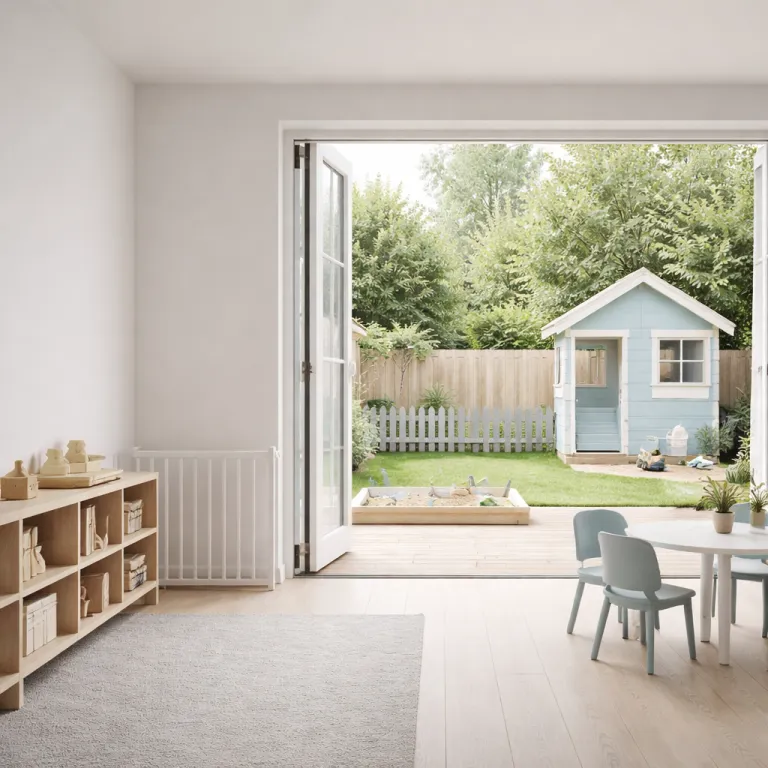
Why historic luxury homestays suit modern families better than many hotels
A well chosen historic homestay can give a family more space, privacy and character than most traditional hotels. For premium travelers planning a luxury vacation, the right homestay accommodation often combines heritage architecture with contemporary amenities that make daily family life feel effortless. When you use a carefully curated luxury family homestay guide, you start to see how these properties turn a simple stay into a layered cultural immersion.
Across Europe and Asia, restored townhouses, farmhouses and city mansions now operate as luxury homestays that quietly prioritise families. These historic homestays offer generous living rooms, enclosed gardens and separate bedrooms, so guests feel they can keep their own rhythm while still engaging with the local culture outside the front door. For many families, this balance between private comfort and local experience is what transforms a standard travel experience into a meaningful chapter of family history.
Luxury homestay owners and their hospitality staff understand that families with children travel differently from couples. They design homestay options with flexible dining spaces, child friendly layouts and smart home technologies that make it easier to manage bedtime, mealtimes and screen time in an unfamiliar cultural setting. In properties such as a 19th century Parisian townhouse with a playroom tucked beside the kitchen, or a restored Rajasthani haveli where a shaded courtyard doubles as a safe play zone, hosts share their own routines and favourite nearby attractions so people of all ages gain a deeper homestay experience than they would in a more anonymous accommodation.
Reading listings like a pro: red flags and green lights for families
Parents scanning homestays online quickly learn that the phrase “child friendly” can mean almost anything. A serious luxury family homestay guide teaches you to read beyond the adjectives and focus on concrete amenities that matter for a safe and relaxed stay. When you evaluate each homestay accommodation with the same rigour you would apply to a school or childcare choice, you protect both your children and your travel investment.
Look for clear descriptions of gated pools, stair gates, window locks and enclosed gardens, rather than vague promises about families being welcome. A reliable host family will list baby cots, highchairs, plastic tableware and child safe kitchen storage, and they will show these amenities in unedited photos that match the text. If a listing for luxury homestays only shows styled living rooms and no practical spaces, ask direct questions before committing to staying homestay with young children.
Location language also reveals how seriously hosts treat family needs and local realities. Phrases like “lively nightlife” or “popular with backpackers” can signal noise that will disturb a family stay, while mentions of playgrounds, parks and medical clinics among nearby attractions suggest a more thoughtful approach to travelers with children. When you compare this to more adult focused properties such as some elegant California getaways for couples seeking intimate homestay retreats, you see how specialist host families curate a different travel experience for people who prioritise sleep schedules over sunset cocktails.
How much space your family really needs in a historic homestay
Photos of grand staircases and high ceilings can distract from the basic question of how much usable space your family will actually enjoy. For a comfortable luxury stay, many families find that a minimum of 20 to 25 square metres per person allows for luggage, play areas and quiet corners, especially in older homestays where corridors and formal rooms can eat into practical floor area. A precise luxury family homestay guide will help you translate poetic listing language into real world space calculations.
Start by mapping where each person will sleep, dress and unwind, then check whether the homestay accommodation offers enough wardrobes, surfaces and seating for that pattern. In multi generational vacations, consider whether grandparents need a ground floor suite or a separate wing, and whether teenagers require a semi private den to retreat from younger siblings. Historic luxury homestays that have been sensitively reconfigured often provide interconnected rooms that keep families close while still allowing micro zones of privacy during a longer travel experience.
Bathrooms and circulation space matter as much as bedroom counts for most guests. In many heritage properties, narrow staircases and small landings can make night time bathroom trips tricky for children, so ask the host for floor plans or simple sketches before you commit to staying local in a centuries old building. A simple checklist can help: note the number of bathrooms, mark each bedroom on a rough floor plan, trace the route a child would walk at night, and check where stair gates or night lights might be needed, especially when you are planning a complex celebration such as a refined gathering in a lakeside villa.
Choosing the right neighbourhood: walkability, safety and real local culture
Where you base your family shapes the entire homestay experience, especially in historic districts where streets can be steep, narrow or crowded. A thoughtful luxury family homestay guide will always prioritise walkability to parks, cafés, pharmacies and public transport over proximity to nightlife or business districts. When families choose staying local in a neighbourhood that residents actually use, children absorb the local culture simply by walking to the bakery or watching people in the square.
For coastal destinations, beach safety and access are more important than a dramatic sea view from a private terrace. Parents should ask hosts about lifeguard coverage, currents, shaded areas and the distance in metres from the homestay accommodation to the sand, rather than relying on romantic photos alone. In places like Bentota in Sri Lanka, carefully vetted elegant villa stays for refined coastal escapes show how luxury homestays can combine direct beach paths with secure gardens, giving guests feel both freedom and control over their daily rhythm.
Historic city centres demand a different kind of due diligence from travelers. Check how far you will need to walk with a stroller to reach playgrounds, supermarkets and tram stops, and ask local people or your host family about noise levels during festivals or market days. Hosts who live nearby and engage in genuine cultural exchange with their neighbours usually give more accurate guidance than generic travel agencies, because they understand how families actually move through the city at different times of day.
Hosts who truly specialise in families and cultural immersion
Not every charming homestay is run by hosts who understand the logistics of travelling with children. Families benefit most from host families who have either raised their own children in the property or regularly welcome families and adjust their routines accordingly. When such hosts guests share their household patterns, from breakfast times to quiet hours, travelers can align their own family culture with the local rhythm more easily.
These specialist hosts usually provide more than standard amenities and a welcome basket. They might offer flexible meal options, such as early dinners for children or access to a well equipped kitchen where a grandparent can cook familiar dishes using local ingredients from the market. In many of the most unique homestays, the host will even arrange simple cultural exchange moments, like a short cooking lesson or a walk to a nearby festival, so people of different generations can share an experience that goes beyond sightseeing.
Look for listings where the host explicitly mentions families, not just “guests”, and where reviews praise how the guests feel genuinely at home. Luxury homestays that highlight eco friendly practices, from filtered water stations to energy efficient cooling, often attract like minded families who care about the impact of their travel on local communities. When hospitality staff, property managers and local tour operators work together, homestays offer a level of cultural immersion and service that rivals high end hotels while keeping the warmth of a private home.
Booking tactics that protect your family and your budget
Securing the right historic homestay for a peak season vacation requires strategy as well as taste. Families should book early, especially when they need specific configurations such as twin beds for siblings, a ground floor suite for grandparents or a fully enclosed garden for toddlers. With nightly rates for luxury homestays in prime destinations often sitting in the high hundreds of US dollars or more, a disciplined booking approach protects both comfort and cost.
Before paying a deposit, ask the host to confirm in writing all critical amenities, from baby equipment to air conditioning in every bedroom, and request recent photos if the listing seems dated. Clarify cancellation policies in detail, including how far in advance you can reschedule without penalty if a child falls ill, and whether travel agencies or booking platforms offer additional protection for families. When you read customer reviews, prioritise comments from other families over general praise, because these often reveal how responsive the host was when guests needed flexibility during their stay.
Trustworthy platforms and owners are transparent about payment schedules, security deposits and house rules, especially around visiting friends or small gatherings. One industry style summary puts it plainly: “What defines a luxury family homestay? High-end accommodations with family-friendly amenities. How to find reputable luxury homestays? Use verified booking platforms and read reviews. Are luxury homestays suitable for young children? Many offer child-friendly amenities; verify before booking.” Families who follow this kind of structured luxury family homestay guide, whether curated by a brand like Plum Guide or by independent experts, tend to enjoy smoother cultural immersion and fewer surprises once they arrive.
How to use this luxury family homestay guide for deeper cultural exchange
Historic homestays are not just places to sleep; they are stages for cultural exchange between local people and visiting families. When you choose homestay options that prioritise shared spaces such as long dining tables, shaded courtyards or communal kitchens, you create more chances for conversation with your host family and neighbours. This is where a thoughtful luxury family homestay guide differs from a simple directory of accommodation, because it focuses on how people actually live together during a stay.
To deepen cultural immersion, start by asking your hosts about their own family traditions and daily routines. Many host families are proud to share recipes, holiday customs or stories about how their historic house has evolved, and these conversations often become the highlight of the travel experience for both adults and children. When homestays offer small, structured activities such as a garden tour, a visit to nearby attractions with a local guide or a simple language exchange over breakfast, guests feel more like temporary neighbours than passing travelers.
Eco friendly practices can also become a bridge between cultures, especially for children who are learning about sustainability at school. Ask your hosts how they manage water, energy and waste in an older building, and involve your family in following those systems respectfully. Over time, staying homestay in such unique homestays around the world teaches families that luxury, culture and responsibility can coexist, and that staying local with attentive hosts can be as enriching as any formal museum visit.
Key figures shaping luxury family homestays
- Average nightly rates for high end family focused homestays in major destinations place them firmly in the premium accommodation segment, often comparable to upscale boutique hotels that offer similar levels of privacy and service.
- Industry reports from leading booking platforms consistently describe strong year over year growth in bookings for luxury homestays, reflecting rising demand from families who prefer private space and local culture over traditional hotel formats.
- Many operators report a strong increase in multi generational family bookings, as grandparents, parents and children choose to share one large homestay rather than reserve several separate hotel rooms.
- Specialist agencies note that properties integrating eco friendly features and smart home technologies achieve higher occupancy among premium family travelers, who value both comfort and responsible travel practices.
FAQ about luxury family homestays in historic properties
What defines a luxury family homestay compared with a standard rental?
A luxury family homestay combines high quality furnishings, generous space and hotel level amenities with layouts and services tailored to children, such as safety features, baby equipment and flexible meal options. The best examples also offer engaged hosts, strong local culture connections and reliable support from hospitality staff during the stay. This mix of comfort, service and cultural immersion goes beyond what most standard rentals provide.
How can families find reputable luxury homestays in historic buildings?
Parents should start with verified booking platforms, specialist agencies and curated collections such as Plum Guide, then filter for properties that explicitly welcome families and show detailed photos of safety features and practical spaces. Reading reviews from other families is essential, because these usually mention how responsive the host was and whether the amenities matched the listing. When in doubt, direct contact with owners or managers can clarify any remaining questions before you confirm your stay.
Are historic luxury homestays suitable for very young children?
Many historic homestays are perfectly suitable for babies and toddlers, provided they have gated stairs, secure windows and enclosed outdoor areas. Families should verify the availability of cots, highchairs and child safe kitchens, and ask for floor plans or videos if the layout is complex. When hosts understand family needs and adapt the accommodation accordingly, even centuries old houses can feel safe and welcoming for the youngest guests.
What should families ask hosts before booking a historic homestay?
Key questions include details about safety features, sleeping arrangements, heating or cooling in every bedroom, noise levels, and the exact distance to supermarkets, medical services and playgrounds. Parents should also clarify cancellation policies, deposit terms and any extra charges for cleaning, heating pools or late check out. A thorough pre booking conversation helps both hosts and guests align expectations and reduces the risk of unpleasant surprises during the vacation.
Why choose a homestay over a luxury hotel for a family trip?
Homestays usually offer more space, privacy and flexibility than hotel rooms, which is crucial for families managing naps, early bedtimes and different activity levels. They also provide richer access to local people, culture and everyday routines, especially when host families live on site or nearby. For many travelers, this combination of comfort, cultural exchange and home like amenities makes a luxury homestay the more rewarding option for a family focused travel experience.