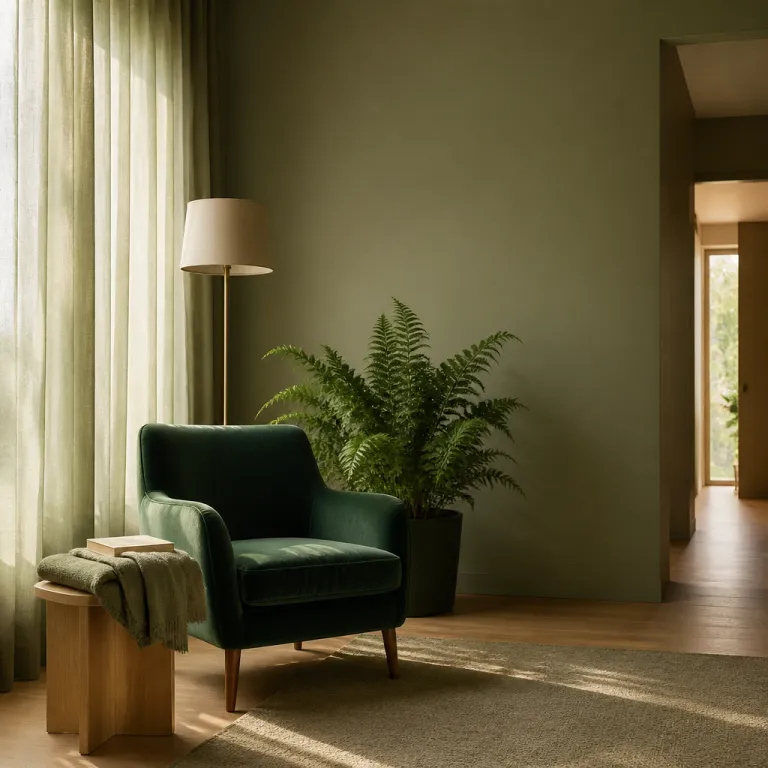
Reading a cinematic interior design homestay listing like a set designer
A cinematic interior design homestay listing is less about themed décor and more about how the space frames your life like a scene. You are looking for a design project that treats every room as a shot, where the architecture, light, and furniture work together with quiet precision. The best listings feel composed yet relaxed, like a house or apartment where a film crew could roll in tomorrow without moving a chair.
Start with the bones of the building, because no amount of styling can fake good architecture. Look for clear floor plans, generous ceiling heights, and a logical flow between the lounge, kitchen, and living room that would let a camera move easily through the space. When architects think cinematically, they create long sightlines, framed views, and a focal point at the end of each axis, whether that is a window, a fireplace, or a single museum art piece.
Pay attention to how the host or interior designer talks about light, not just furniture. A credible cinematic interior design homestay listing will mention orientation, window size, and how the sun moves through the house or apartment during the day. If the description only lists brand names and design trends but never explains how the space feels at sunrise in the kitchen or at dusk in the lounge, you are probably reading marketing copy rather than a thoughtful design project.
Language around function matters as much as style for couples planning a romantic stay. Look for details about a working office corner that doubles as a writing desk, or an office studio that can be closed off with a sliding wall when you want to shift from emails to wine. The most cinematic interiors balance luxury finishes with practical touches, so the space works as well for unpacking a suitcase as it would for a still photograph.
Finally, treat the listing photos like stills from a film and read them with the same care. Ask yourself whether the interior design looks livable from every angle, or whether one carefully staged wall is doing all the work. A strong cinematic interior design homestay listing will show the same room from multiple perspectives, revealing how the architect and interior designers intended you to move, sit, cook, and sleep inside the space.
Dramatic lighting and color grading: how cinematic homes shape mood
Light is the first tool any set designer reaches for, and it should be your first filter when scanning a cinematic interior design homestay listing. Natural light tells you how the architecture collaborates with the sky, while artificial light reveals how the interior designer has choreographed evenings. You want a house or apartment where daylight pours into the living room and kitchen, then shifts into layered pools of warmth around the lounge and bedroom at night.
Look for descriptions of large windows, clerestory glazing, or internal courtyards that act as light wells. Properties that reference open air architecture and courtyard living, similar to the homes explored in guides to open air luxury homestays, often have the most cinematic transitions from bright exteriors to shaded interiors. When architects design these spaces, they think about how light grazes a wall, how a staircase becomes a sculptural focal point, and how reflections dance across polished stone or timber floors.
Artificial lighting should read like a carefully curated collection rather than an afterthought. In a credible cinematic interior design homestay listing, you will see layered sources : ceiling spots for general illumination, wall sconces for atmosphere, and table lamps that carve out intimate corners in the lounge or working office. Avoid spaces where a single overhead fixture flattens everything, because that kills the depth and drama that make interiors feel like film sets.
Color works like on screen color grading, shaping emotion before you even notice it. Warm palettes with terracotta, caramel, and soft cream suit a beach house or mexico city townhouse, wrapping evenings in a golden glow that flatters skin and cocktails alike. Cooler schemes with stone, ink blue, and charcoal can feel urbane and cinematic in a los angeles loft or delhi high rise apartment, but they need careful lighting to avoid drifting into gloom.
Read how the host describes materials, because they influence how color behaves. Limewashed wall finishes catch light softly, while glossy tiles in the kitchen or bathroom bounce it sharply, changing the mood of the space. A sophisticated cinematic interior design homestay listing will connect these choices to experience, explaining how the living room feels during a storm or how the lounge glows when only the bar lights are on.
Statement furniture, framing, and the difference between staged and livable
Cinematic interiors rely on strong silhouettes, so study the furniture in every cinematic interior design homestay listing you consider. Statement pieces act like lead actors, while quieter items support the scene without shouting. A single sculptural lounge chair, a generous dining table, or a barcelona design inspired sofa can become the focal point that anchors the entire room.
Framing is where architecture and furniture meet, and it is where many listings quietly fail. Look for how the sofa aligns with a window, how the dining table relates to the kitchen, and whether the bed faces a view or a blank wall. When an architect and interior designers collaborate well, every major piece sits in dialogue with the building, creating natural sightlines that feel composed but not contrived.
Be wary of spaces that look perfect in one angle but fall apart in others. If a cinematic interior design homestay listing only shows tight vignettes of cushions, coffee cups, and museum art prints, you may be looking at a styling project rather than a genuinely well resolved interior design. Cross check by asking for a floor plan or additional photos that reveal how the lounge, living room, and kitchen connect in real life.
Some hosts now study visual literacy guides, such as those on how some homes photograph better than they stay, and you should too ; resources like visual literacy for homestay photos help you read between the pixels. Notice whether the same chair or lamp appears repeatedly, suggesting a small space being stretched through clever cropping. A truly cinematic interior will look coherent from multiple viewpoints, because the design project considered movement, not just still images.
Livability shows up in the quiet details that stylists cannot fake. Open shelves in the kitchen with a restrained collection of everyday ceramics, a working office nook with a comfortable chair rather than a decorative stool, or a lounge with side tables placed where you would naturally set down a glass all signal that the space is used and loved. The best cinematic interior design homestay listing balances these lived in cues with luxury finishes, so you feel like you are stepping into a film set that has already hosted a few good stories.
Global cinematic moods: from delhi apartments to mexico city courtyards
Cinematic interior design is not a single look ; it is a way of choreographing space that adapts to local architecture and culture. When you browse a cinematic interior design homestay listing in delhi, los angeles, or mexico city, you are really choosing between different visual narratives. Each city offers its own script, from dense urban apartments to low slung beach house retreats.
In delhi, cinematic interiors often lean on strong contrasts between inside and outside. A well considered apartment might use deep verandas, perforated screens, and thick walls to filter the harsh sun, creating pools of shadow that feel instantly filmic. Look for listings where the architect has carved out a lounge that opens to a small courtyard, or a kitchen that borrows light from a high window while remaining cool and practical.
Mexico city properties tend to celebrate color, texture, and courtyard architecture. A cinematic interior design homestay listing here might highlight a central patio as the main focal point, with the living room, kitchen, and working office all opening onto this open air stage. Museum art, local textiles, and a curated collection of ceramics can add depth, but the real star is usually the way light bounces off painted walls and stone floors throughout the day.
Los angeles brings a different kind of cinematic energy, shaped by mid century architecture and the film industry itself. Expect open plan lounge and kitchen spaces, long horizontal lines, and glass walls that blur the boundary between interior and terrace. The best listings here will reference how the interior designers have framed views of the city or hills, turning every window into a wide screen shot.
Beach house stays, whether near the Pacific or the Mediterranean, rely on a softer palette and a looser rhythm. A thoughtful cinematic interior design homestay listing will mention salt tolerant materials, easy to clean floors, and a living room that can handle sandy feet without losing its sense of luxury. In all these locations, the common thread is a design project where architects and interior designers have translated local life into spaces that feel both specific and universally cinematic.
From screen to stay: using film aesthetics to choose your next homestay
Film tourism is reshaping how travelers choose where to sleep, and the cinematic interior design homestay listing sits at the center of that shift. As streaming platforms feed us a constant flow of beautifully shot interiors, couples start to look for the same moods in their temporary homes. The screen to stay pipeline is real : you fall for a kitchen in a series, then quietly search for a similar space in your next booking.
To use this to your advantage, start by naming the films or shows whose interiors you genuinely love. Is it the warm, book lined lounge of a european drama, the sharp office and working studio of a legal thriller, or the relaxed beach house from a coastal romance ? Once you know the mood, you can scan each cinematic interior design homestay listing for echoes in its architecture, color palette, and furniture collection.
Pay attention to how hosts reference influences without sliding into pastiche. A thoughtful designer might mention barcelona design cues in the curve of a staircase, or nods to museum art galleries in the way they light a long corridor wall. What matters is that these references serve the space, rather than turning the house or apartment into a theme park set that photographs well but feels thin after the first night.
AI personalized itineraries now map your viewing history to real locations, but you still need human judgment. Use these tools to surface options near filming locations, then apply a stricter lens to each cinematic interior design homestay listing, asking whether the space itself holds up without the celebrity of the address. Look for evidence of a coherent design project, where architects, an interior designer, and perhaps a lighting studio have worked together rather than layering trends on top of an ordinary building.
Finally, remember that the most cinematic stays are the ones that let you forget the camera. You want a lounge where you can read for hours, a kitchen where you can cook together, and a bedroom where the first light feels like a private screening. When a listing invites you to skip content that feels generic and instead focus on how you will actually live in the space, you have probably found the kind of cinematic interior design homestay listing that will stay with you long after the credits roll.
FAQ
How can I quickly tell if a homestay has genuine cinematic design quality ?
Scan the photos for consistent composition, layered lighting, and clear sightlines between the lounge, kitchen, and living room. Then read whether the host explains how the architecture shapes light and movement, rather than just listing furniture brands. A truly cinematic interior design homestay listing will connect design choices to how your stay will feel hour by hour.
What lighting features should I prioritize for a romantic cinematic stay ?
Look for a mix of natural light by day and dimmable, layered artificial light at night. Wall sconces, table lamps, and concealed LED strips create depth and intimacy that a single ceiling fixture cannot match. A good cinematic interior design homestay listing will describe how these layers shift from cooking in the kitchen to relaxing in the lounge.
Are open plan spaces always better for cinematic interiors ?
Open plan layouts can feel cinematic because they allow long views and fluid camera like movement. However, the best results come when architects and interior designers also carve out smaller zones, such as a working office nook or a reading corner in the lounge. Balance between openness and intimacy is what makes a cinematic interior design homestay listing stand out.
How do I avoid properties that only look good in photos ?
Be cautious of listings that show only close ups and no full room shots. Ask for a floor plan or extra images that reveal how the lounge, kitchen, and bedroom connect, and check for practical details like storage, surfaces, and seating comfort. Comparing the narrative of the description with the visual evidence is the most reliable way to test a cinematic interior design homestay listing.
Does location matter as much as interior design for a cinematic stay ?
Location shapes the story outside your windows, while interior design shapes every frame inside. A modest building in delhi, los angeles, or mexico city can feel cinematic if the architecture, light, and furnishings are handled with care. The strongest cinematic interior design homestay listing will show how interior and surroundings work together to create a complete experience.