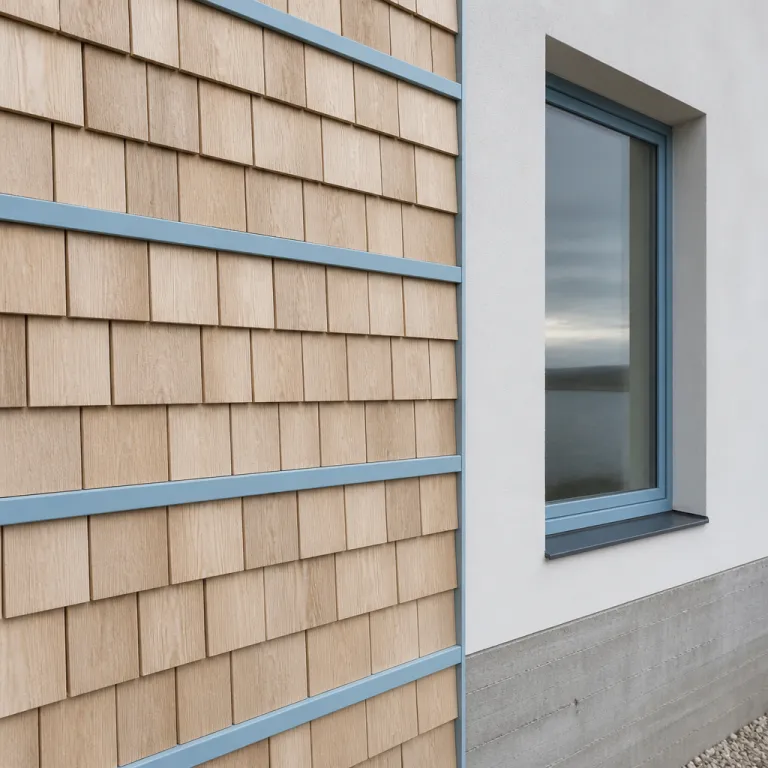
Climate-adaptive architecture as the new luxury baseline
Climate-adaptive architecture is quietly becoming the new definition of luxury for the serious homestay traveler. The most compelling climate adaptive architecture homestay sustainable projects treat every square meter of space as a tool for comfort, efficiency, and long term resilience. When you book a premium house now, you are also choosing how you want to experience sustainable living under changing environmental conditions.
At the top end of the market, hosts and architects work together to read the climate like a brief rather than a constraint. They study sun paths, prevailing winds, and seasonal rainfall patterns, then translate that data into architecture that feels effortless for the guest yet deeply resilient for the site. In practice, this means a climate adaptive architecture homestay sustainable property will often have shaded outdoor rooms, cross ventilated interiors, and layered façades that respond to heat, humidity, and storms in real time.
For you as a traveler, the signal is clear ; climate adaptive architecture is no longer a niche eco choice but a marker of serious investment and thoughtful tourism planning. When a host can explain how their house orientation, materials, and water systems respond to local climate change, you are usually looking at a property built to last. That level of environmental intelligence is what separates a generic rental from a climate adaptive architecture homestay sustainable stay that genuinely supports sustainable living and long term community resilience.
Passive cooling, light, and the quiet luxury of comfort without noise
Passive cooling is where climate-adaptive design becomes immediately tangible for the guest. Step into a well designed climate adaptive architecture homestay sustainable property in a hot region, and you will often feel a temperature drop of several degrees before any mechanical system switches on. That sensation comes from architecture that treats air, shade, and light as carefully as a chef treats salt and heat.
Look for long, narrow floor plans that allow cross ventilation, with windows placed to catch prevailing breezes rather than fight them. Deep overhangs, verandas, and perforated screens create transitional space between inside and outside, softening harsh climate conditions while keeping interiors bright and natural. In coastal cities such as Miami, some of the most refined luxury villas now combine shaded courtyards, operable shutters, and high ceilings to reduce air conditioning loads while still delivering the polished experience you expect from high end villa rentals and private stays.
Material choice matters as much as layout ; dense stone, earth blocks, and insulated roofs slow heat gain, while light colored façades reflect solar radiation back into the climate rather than into your bedroom. Ask hosts how the house performs at the hottest time of day, and whether the architecture was modeled for different environmental scenarios or just for current averages. A truly climate adaptive architecture homestay sustainable project will usually have been tested for future heat waves, with resilient detailing that keeps your nights quiet, cool, and free from the constant hum of overworked air conditioning units.
Water resilience and landscapes that work as infrastructure
Water is where climate-adaptive architecture becomes both a technical system and a narrative about place. In a serious climate adaptive architecture homestay sustainable property, every drop of water is considered in relation to the site, the wider watershed, and the local community. You are not just using a shower ; you are participating in a micro masterplan for sustainable living under shifting rainfall patterns.
In drought prone regions, look for rainwater harvesting tanks sized to the roof area, with filtration systems that feed toilets, irrigation, or even laundry. Greywater recycling turns your daily routines into a resource, allowing native and drought tolerant plants to thrive while reducing pressure on municipal systems in nearby cities. Landscaping is no longer decorative ; it becomes environmental infrastructure, with swales, permeable paths, and shaded courtyards that slow runoff, recharge groundwater, and create cooler microclimates around the house.
As a traveler, you can ask very direct questions about water resilience and sustainable tourism practices, then compare answers with guidance from expert checklists on genuine sustainability in luxury homestays. A credible climate adaptive architecture homestay sustainable listing will usually share data on water use per guest night, explain how they protect local springs or rivers, and show how their environmental systems perform over time. When hosts speak confidently about flood prone conditions, stormwater design, and long term change in rainfall patterns, you are hearing the language of architecture that treats water as both a risk and a precious cultural resource.
Energy independence as amenity, not afterthought
Energy systems used to sit in the background of a luxury stay ; now they are part of the story guests actively seek out. In the most advanced climate adaptive architecture homestay sustainable projects, solar panels, battery storage, and smart controls are integrated so elegantly that you notice the silence more than the hardware. The real luxury is uninterrupted comfort during grid outages, storms, or heat waves that strain local infrastructure.
Look for properties that combine rooftop solar arrays with on site batteries sized for at least one or two days of autonomous operation. In remote sites or islands, some houses now pair solar with small scale wind or micro hydro, creating resilient microgrids that keep refrigeration, ventilation, and essential lighting running even under extreme conditions. These systems are not just environmental gestures ; they are part of a broader masterplan that treats climate risk, tourism demand, and local energy constraints as a single design problem.
When you read a listing, pay attention to how clearly the host explains their energy strategy and how it supports sustainable living for both guests and the surrounding community. A serious climate adaptive architecture homestay sustainable property will often share annual energy generation and consumption figures, sometimes even allowing guests to track real time performance on a tablet in the living space. That level of transparency turns the house into a quiet classroom on environmental resilience, where you can literally see how architecture, technology, and climate interact over time.
Regional resilience: from coastal storms to mountain wildfires
Climate-adaptive design is always local ; the same strategy that works in a humid delta will fail in a dry, fire prone valley. The most thoughtful climate adaptive architecture homestay sustainable projects start with a forensic reading of regional risks, then translate those into specific architectural moves. As a traveler, you can read those moves almost like a second language once you know what to look for.
On exposed coasts, resilient houses often sit on raised plinths or stilts, with breakaway ground level structures that can sacrifice non essential space to storm surge without compromising the main living areas. Rooflines are kept simple to resist high winds, while shutters, impact glazing, and carefully detailed drainage protect both the architecture and the cultural artifacts inside. In mountain regions facing longer fire seasons, you will see non combustible cladding, ember resistant vents, and defensible landscaping that uses natural stone terraces and low fuel planting to slow advancing flames.
Urban homestays in dense cities respond differently, using green roofs, shaded courtyards, and high performance envelopes to buffer guests from heat waves and air pollution. Ask hosts how their house was designed for the specific environmental conditions of the region, and whether local planners or engineers contributed to a broader resilience masterplan. A credible climate adaptive architecture homestay sustainable property will usually be able to share not only its own safety features but also how it fits into local emergency routes, community shelters, and long term climate change adaptation strategies.
Reading listings like an insider: questions that reveal real resilience
Most booking platforms still prioritize glossy images over diagrams or data, so you need to read between the lines. When you scan a listing for a potential climate adaptive architecture homestay sustainable stay, start by looking for simple but telling clues in the description and photos. Orientation diagrams, section sketches, or even a clear explanation of how the house uses natural light and ventilation are strong early signals.
In your first message to the host, ask how the property performs during the hottest week of the year, the heaviest rain, or the longest power outage they have experienced. Invite them to share specific examples of how the architecture responded to those conditions, and whether any upgrades were made after extreme events. Hosts who can talk comfortably about environmental performance over time usually work with architects and engineers who treat climate as a design partner, not an afterthought.
As you refine your shortlist, compare properties that speak clearly about sustainable living, water systems, and resilient materials with those that rely on vague eco language. Use curated roundups such as shoulder season openings focused on next generation sustainable stays to benchmark what serious climate adaptive architecture looks like in practice. Over time, you will build your own internal checklist, moving from passive consumer to informed participant in a climate adaptive architecture homestay sustainable ecosystem that values both guest comfort and long term environmental stewardship.
From guest to neighbour: cultural context and shared responsibility
The most memorable climate-adaptive homestays do more than manage heat, water, and energy ; they invite you into a cultural conversation about place. Architecture becomes a mediator between global climate pressures and local traditions, showing how sustainable living can feel both innovative and deeply rooted. When a host takes time to share why their house is oriented a certain way, or why they chose local stone over imported finishes, you start to understand resilience as a shared project rather than a technical checklist.
Look for stays where outdoor space is treated as a social room, not just a pool deck, with shaded dining areas that encourage slower meals and less energy intensive indoor cooling. In many regions, vernacular architecture already holds centuries of environmental intelligence, from courtyard houses in hot dry climates to stilted dwellings in flood prone deltas. The most thoughtful climate adaptive architecture homestay sustainable projects reinterpret these cultural patterns with contemporary engineering, creating houses that feel familiar to local neighbours yet quietly advanced in their environmental performance.
As a solo traveler, you can lean into this by asking hosts about the stories behind specific architectural choices and how local craftspeople contributed to the build. Over time, these conversations turn a one off stay into part of a longer narrative about how tourism, architecture, and climate change intersect in real communities. You leave not only with memories of a beautiful house but with a clearer sense of how your choices as a guest can support resilient cities, healthy ecosystems, and a more grounded form of sustainable living.
Key figures on climate-adaptive homestays and sustainable design
- According to the International Energy Agency, buildings account for roughly 30 percent of global final energy consumption, which makes climate adaptive architecture in homestays a critical lever for reducing emissions from tourism.
- Data from the World Green Building Council indicates that well designed passive cooling strategies can cut cooling energy demand by up to 50 percent in hot climates, directly improving guest comfort while lowering operational costs for hosts.
- Studies compiled by the United Nations Environment Programme show that integrating rainwater harvesting and greywater reuse can reduce potable water demand in residential buildings by 25 to 50 percent, a significant advantage for drought prone destinations popular with travelers.
- Research from the Global Alliance for Buildings and Construction reports that high performance building envelopes and efficient systems can reduce overall building related greenhouse gas emissions by up to 40 percent compared with conventional construction, making climate adaptive architecture homestay sustainable projects a powerful climate action tool.
- Certification schemes such as LEED and the EU Ecolabel are increasingly incorporating resilience criteria, signaling that climate adaptation features like flood resistant design and on site energy storage are becoming mainstream expectations rather than optional extras.
FAQ about climate-adaptive architecture in luxury homestays
How can I tell if a homestay is truly climate adaptive from the listing ?
Look for specific details about orientation, passive cooling, water systems, and energy generation rather than generic eco language. A serious listing will often mention cross ventilation, shading strategies, rainwater harvesting, or solar and battery systems, sometimes with diagrams or performance data. If the description is vague, message the host with targeted questions about how the house performs during heat waves, storms, or power cuts.
Does climate-adaptive design make a stay more expensive ?
Upfront construction costs for climate adaptive architecture can be higher, but operational savings on energy and water often reduce long term expenses for hosts. Many luxury homestays use these savings to maintain stable nightly rates while offering higher comfort and reliability during extreme weather. As a guest, you may pay a premium for standout locations or design, yet you also gain resilience and a lower environmental footprint.
What should I ask a host about water resilience before booking ?
Ask whether the property uses rainwater harvesting, greywater recycling, or drought tolerant landscaping, and how these systems protect local supplies during peak tourism seasons. In flood prone areas, request information on drainage design, elevation above known flood levels, and any backup systems for safe drinking water. Clear, confident answers usually indicate that water has been treated as a core design issue rather than an afterthought.
Are off grid homestays reliable for remote work or longer stays ?
Well designed off grid systems that combine solar panels, battery storage, and sometimes backup generators can be highly reliable, especially when sized for realistic guest use. Before booking, ask for details on average daily energy generation, storage capacity, and any limits on high demand appliances such as electric ovens or air conditioning. Hosts who can share this information transparently are more likely to offer a stable experience for remote workers and long stay guests.
Why does regional climate risk matter when choosing a luxury homestay ?
Different regions face different primary risks, from coastal storm surge to wildfire or heat waves, and architecture must respond accordingly to keep guests safe and comfortable. A property that is climate adaptive in one context may be poorly suited to another if it ignores local hazards. Understanding regional risk helps you choose homestays where resilient design, emergency planning, and community infrastructure work together to support both your stay and the surrounding environment.