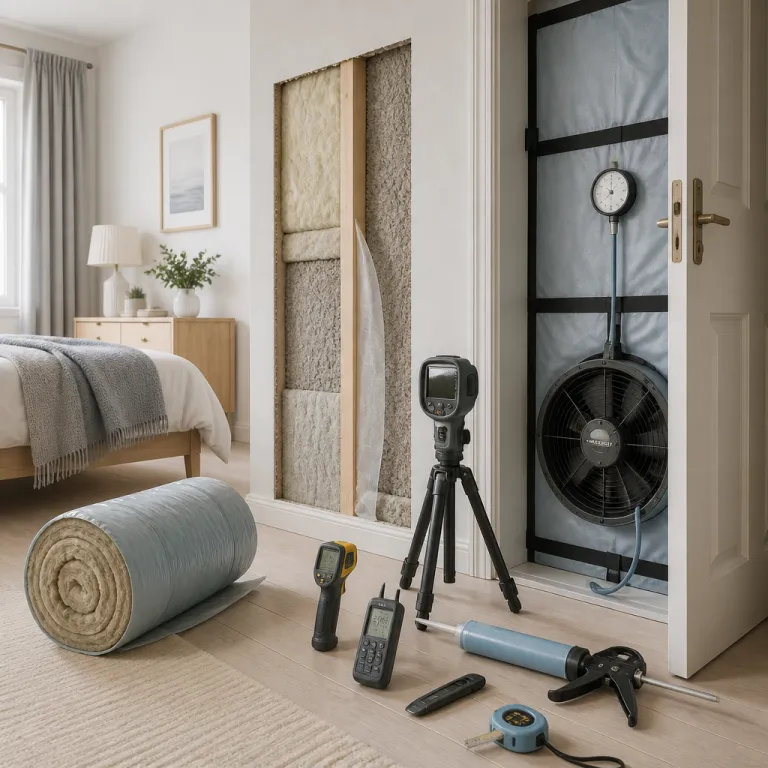
Rethinking green luxury: why passive house homestay sustainability design starts in the walls
Luxury travelers are increasingly drawn to homestays where the house itself quietly does the hard work of comfort. In the most refined examples of passive house architecture for short term stays, the structure, materials, and building envelope reduce energy demand long before any solar panel is installed. For guests, that means houses that feel calm, stable, and effortlessly temperate, even when the outside weather is doing something entirely different.
At its core, a passive house is a building standard that focuses on energy efficiency and comfort, and this standard now shapes some of the most forward thinking homestay projects worldwide. These certified passive or near passive houses rely on superinsulation, airtight construction, high performance glazed windows, and mechanical ventilation with heat recovery to keep energy use exceptionally low. Heating energy consumption in Passive Houses is typically around 15 kWh per square meter per year according to the Passive House Institute, which is dramatically lower than conventional houses and directly translates into a lighter footprint for every short term stay.
For a solo explorer choosing a premium homestay, this passive approach to sustainability means less noise from mechanical systems and more fresh air without drafts. The house standard prioritizes a continuous thermal envelope, so walls, roofs, and floors are built to a quality level that avoids cold spots and condensation. Instead of chasing visible eco products for marketing, architects and builders focus on the invisible performance of the building fabric, creating houses where comfort, silence, and low energy bills are simply built in.
Inside a passive house: how insulation, airtightness, and fresh air redefine comfort
Staying in a well executed passive house homestay feels subtly different from the moment you close the door. The architecture wraps you in a consistent temperature, with no cold corners near glazed windows and no hot zones near the kitchen or sun exposed walls. Even in a busy city, the thick insulation and triple glazed openings turn the interior into a quiet retreat that suits both work and rest.
Technically, this comfort comes from a precise combination of superinsulation, airtight building details, and mechanical ventilation with heat recovery that constantly supplies filtered fresh air. Energy modeling software helps architects and energy consultants design projects where heat loss is minimized, so the homestay can maintain comfort with very little active heating or cooling. As one expert summary puts it without embellishment, “Insulation reduces energy demand; solar panels supply energy.”
For guests, the result is a house where the air never feels stale, even with windows closed for privacy or noise control. The certified passive ventilation system quietly replaces indoor air several times per hour, recovering warmth from outgoing air and reducing the need for conventional HVAC products that often dry out the skin. When you read listing details, look for mentions of heat recovery ventilation, high performance or triple glazed windows, and airtight construction; these are the structural clues that the homestay’s sustainability is more than a marketing project.
Solar panels versus structure: reading between the lines of a luxury homestay listing
Many premium homestay listings lead with rooftop solar panels, yet the deeper story lies in how the house is built. A passive house homestay with no panels can often outperform a conventional building covered in photovoltaics, simply because its energy demand is so low. When you compare options, focus first on the passive architecture and only then on the renewable energy add ons.
Hosts who understand passive house design for luxury guests will usually mention specific elements such as superinsulated walls, certified passive construction, or high performance glazed windows that keep interiors comfortable with minimal energy. Some will reference the passivhaus standard explicitly, noting that their projects were modeled to meet strict energy targets for heating and cooling. If you want to go deeper into eco labels and what they actually guarantee, use a specialist guide to green certifications you can trust when booking a homestay and cross check any claims you see in the listing.
Solar panels still have a role, especially when paired with off grid storage and a passive building envelope that keeps demand low. Yet the most sophisticated luxury houses treat panels as the final layer on a well built structure, not the starting point of sustainability. When you read reviews or social media comments on Facebook or Twitter, pay attention to what users say about temperature stability, air quality, and noise levels; these guest experiences often reveal more about the underlying building quality than any photo of a shiny rooftop array.
Climate specific strategies: what passive house comfort feels like in different regions
Passive house homestay sustainability design is not a one size fits all recipe; it adapts to climate, orientation, and local building traditions. In hot dry regions, architects prioritize shading, thermal mass, and cross ventilation, using the passive house standard to keep interiors cool with minimal mechanical cooling. In colder climates, the same standard leans on thicker insulation, airtight detailing, and triple glazed windows to hold onto precious heat.
For humid tropical destinations, the best projects combine airtight construction with carefully designed ventilation that manages moisture while still delivering fresh air. A homestay in the Vietnamese highlands, for example, might pair a passivhaus inspired envelope with deep roof overhangs and screened verandas, creating a layered transition between outside and inside. You can see this kind of thinking in some of the more advanced properties highlighted in regional features such as elevated luxury homestay experiences in Vietnam, where building form and landscape work together.
As a traveler, read the listing with climate in mind and look for how the house standard is applied to that specific context. In a cold region, ask whether the building is certified passive or simply “inspired” by the approach, and whether the windows are truly high performance units with warm edge spacers. In hot or humid zones, look for references to passive cooling, shading, and controlled ventilation rather than just air conditioning capacity, because structural strategies will always age better than oversized mechanical products.
How to decode a listing: practical cues that a homestay is genuinely passive
When you scroll through a luxury homestay platform, the language can blur into the same eco adjectives very quickly. To identify a true passive house homestay, you need to read for specific architecture and building details that signal serious investment in performance. The most reliable cue is an explicit reference to the passivhaus or certified passive standard, ideally with a link to documentation or an energy certificate.
Beyond formal labels, look for mentions of continuous insulation, airtight membranes, and high performance or triple glazed windows that wrap the entire house. Hosts who understand their project will often mention mechanical ventilation with heat recovery, low heating energy demand per square meter per year, and the use of sustainable materials with low embodied energy. If the listing notes that the house was built with guidance from specialized architects, energy consultants, and sustainable material suppliers, that usually indicates a deeper commitment than a simple solar panel installation.
Guest reviews are another rich source of information, especially when users comment on how the house feels during heat waves or cold snaps. Phrases like “no drafts”, “even temperature in every room”, and “air always feels fresh without noise” are strong indicators of passive house performance in practice. On some platforms, you can also see how often guests share or mention the property on Facebook or Twitter, which can hint at a project that genuinely impresses travelers who care about both comfort and sustainability.
The comfort dividend: why passive insulation feels like a new kind of luxury
For many solo travelers, the most memorable luxury is not a marble bathroom but a night of deep, uninterrupted sleep. A passive house homestay, with its thick insulation and airtight shell, naturally filters out street noise and temperature swings that often disturb rest in conventional buildings. This is where passive house design for homestays intersects directly with well being rather than just environmental metrics.
The comfort dividend shows up in small, tangible ways throughout your stay; you wake up without a dry throat because the ventilation system has been quietly supplying fresh air at a comfortable temperature all night. You can sit by large glazed windows with a book and a coffee without feeling a cold draft on your legs or a hot glare on your face. If you are curious about how to prioritize this kind of restorative environment when booking, a guide to sleep as the new luxury in homestays offers a useful framework for reading between the lines of property descriptions.
From a sustainability perspective, this level of comfort is not an indulgence but a direct outcome of the house standard that minimizes energy use while maximizing indoor quality. High performance envelopes, carefully detailed junctions, and certified passive ventilation systems all contribute to a stable interior climate that requires very little active heating or cooling. When you choose such houses for your short term stays, you are effectively voting for projects where sustainability, architecture, and guest experience are built into the same design rather than treated as separate products.
Booking with confidence: what to ask hosts and platforms about passive performance
As luxury and premium booking platforms mature, the best ones are starting to surface more technical information about building performance. When you are considering a passive house homestay, do not hesitate to ask the host specific questions about the architecture, the building envelope, and any certified passive documentation. Serious projects will usually have energy modeling reports, ventilation specifications, and details about insulation thickness and window performance that hosts can share.
You can also look at how the platform itself handles sustainability data, from the way it describes energy performance to how it structures its privacy policy around environmental metrics and user generated content. Platforms that encourage users to share detailed feedback on comfort, air quality, and noise levels help future guests distinguish between marketing language and real world performance. When you see multiple reviews across a year praising stable temperatures, quiet interiors, and fresh air, you are likely looking at a house that genuinely meets or approaches the passive house standard.
Finally, remember that a well built passive house homestay is a long term project, not a quick marketing upgrade. These buildings are designed and built by architects, homeowners, and builders who commit to rigorous standards, advanced sealing techniques, and high quality materials that will perform for decades. By choosing such houses for your travels and by sharing your experience on Facebook or other channels, you help shift the market toward projects where sustainability is structural, not superficial.
Key figures: passive house performance in luxury homestays
- Heating energy consumption in Passive Houses is around 15 kWh per square meter per year according to the Passive House Institute, which is significantly lower than typical residential buildings and directly reduces the footprint of every guest night.
- High performance passive house envelopes can cut overall space heating demand by up to 75 percent compared with conventional construction, making insulation and airtightness more impactful than adding solar panels to an inefficient structure.
- Mechanical ventilation with heat recovery in certified passive projects can recover up to 80–90 percent of the heat from exhaust air, which keeps interiors supplied with fresh air while minimizing additional energy use.
- Triple glazed windows in passive houses often achieve U values around 0.8 W/m²K, roughly twice as efficient as many standard double glazed units, which improves both thermal comfort and acoustic insulation for guests.
- As more homestay projects adopt the passive house standard, travelers can expect a growing share of luxury listings to offer low energy comfort as a baseline rather than a premium upgrade.
FAQ: passive house homestays and insulation led sustainability
What is a Passive House?
A Passive House is a building standard focusing on energy efficiency and comfort, achieved through superinsulation, airtight construction, high performance windows, and controlled ventilation with heat recovery. In a homestay context, this means the house maintains a stable indoor climate with very little active heating or cooling. Guests experience consistent temperatures, low noise, and continuous fresh air as a result.
Why prioritize insulation over solar panels in a homestay?
Insulation and airtightness reduce the amount of energy a house needs in the first place, while solar panels only supply energy to meet whatever demand remains. When a homestay is designed to passive house standards, its heating and cooling needs are so low that even modest renewable systems can cover a large share of consumption. This structural efficiency delivers both better comfort and more reliable sustainability than panels added to an inefficient building.
Can solar panels be added to a Passive House homestay?
Can solar panels be added to a Passive House? Yes, for additional energy generation. Many high performance homestay projects pair a certified passive envelope with rooftop photovoltaics and sometimes battery storage to move toward net zero or off grid operation. Because the underlying building is already efficient, these systems can be smaller, more discreet, and often more cost effective over their lifetime.
How can I tell if a listing really follows passive house principles?
Look for explicit references to the passivhaus or certified passive standard, as well as mentions of superinsulation, airtight construction, and mechanical ventilation with heat recovery. Details about triple glazed or other high performance glazed windows, low heating energy demand per square meter per year, and collaboration with specialized architects or energy consultants are strong indicators. Guest reviews that highlight stable temperatures, lack of drafts, and consistently fresh air provide additional confirmation.
Is a passive house homestay comfortable in both hot and cold climates?
Yes, because the passive house approach is adapted to local climate conditions rather than applied as a rigid template. In cold regions, thick insulation and airtight detailing keep heat inside, while in hot or humid areas, shading, passive cooling strategies, and controlled ventilation manage heat and moisture. For guests, this translates into homestays that feel quietly comfortable across seasons, with less reliance on noisy mechanical systems.