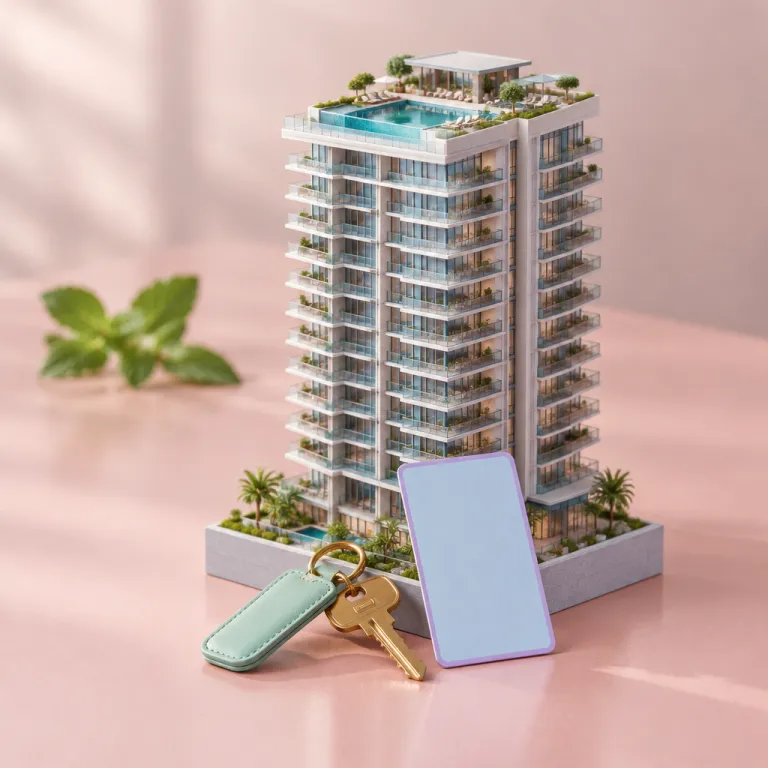
The branded residence hotel private accommodation trend explained
The branded residence hotel private accommodation trend is reshaping how high end travelers think about where they sleep, work, and host. In simple terms, branded residences are luxury homes that sit under a hotel brand flag, combining residential privacy with access to curated hospitality services and facilities. This hybrid model now competes directly with premium homestays and unbranded properties that once defined the independent luxury real estate landscape.
At its core, a branded residence is a residential property that carries the name and standards of established hotel brands, from Marriott International to Four Seasons Hotels and Resorts and Mandarin Oriental Hotel Group. These residences are usually developed through partnerships between hospitality companies and real estate developers, who handle the physical development while the brand manages standards, service, and long term positioning in the residences market. The result is a portfolio of properties where a hotel guest can expect a familiar level of service, even when staying in a privately owned residence rather than a traditional luxury hotel suite.
Global data from industry analysts such as Savills and Knight Frank shows how fast this branded residential movement is expanding across the hospitality industry and the wider luxury real estate market. Savills’ 2023 Spotlight on Branded Residences, for example, tracks growth from just over three hundred branded residential projects worldwide in the early 2010s to close to one thousand schemes today, while Knight Frank’s 2023 Global Branded Residences report highlights annual growth rates in the low double digits, making it one of the fastest growing corners of luxury real estate. For travelers browsing a luxury and premium booking website for homestays, this means the line between a star hotel stay and a private residence booking is no longer clear, and the branded residence hotel private accommodation trend now shapes both pricing and expectations.
What branded residences offer that traditional homestays rarely match
For the business leisure traveler, the appeal of branded residences begins with predictability and professional service. A branded residential project typically offers hotel style concierge, housekeeping, maintenance, and sometimes in residence dining, all delivered under the same hospitality industry standards that govern a luxury hotel or star hotel. Many branded residence developments also plug directly into loyalty ecosystems, so a hotel guest can earn or redeem points while staying in a residence that still feels like a private home.
Major hotel brands use their reputations to reassure buyers and short stay guests that each residence and property has been vetted, maintained, and professionally managed. Marriott International, for example, reports hundreds of branded residential projects either open or in the pipeline across dozens of countries, while Four Seasons and Mandarin Oriental have expanded their own luxury real estate portfolios with ultra luxury residences in urban towers and resort communities. In destinations such as residences Miami, the presence of names like Waldorf Astoria or Mandarin Oriental signals to both buyers and renters that the development will deliver consistent service, curated amenities, and long term asset management that many unbranded properties cannot guarantee.
For travelers comparing a homestay listing with a branded residence on a premium booking website, the branded residence hotel private accommodation trend translates into tangible benefits. You might see wellness integration, biophilic design, and preventive health services woven into the residential experience, from air quality systems to spa access and on site trainers. When you add hotel loyalty points, standardized check in, and 24 hour support, branded residences can feel like the safest choice for executives extending a work trip, especially when they have already navigated host only fee models and shifting pricing structures in the independent luxury short term rental space, as explored in this analysis of the host only fee model for luxury properties.
What you lose when you trade independent homestays for hotel branded residences
There is a cost to all this polish, and it is not only measured in dollars per night. Independent luxury homestays, especially those curated on specialist platforms, often deliver a level of local character and human connection that a branded residence, however refined, struggles to replicate. The host who leaves a handwritten note, the neighbour who shares a café recommendation, the kitchen where someone teaches you a family recipe — these details rarely appear in a branded development run by a distant management team.
When a residence is part of a large hospitality brand, the experience is intentionally standardized so that buyers, hotel guest renters, and long term residents know exactly what to expect. That consistency is the selling point of the branded residence hotel private accommodation trend, but it can flatten the quirks that make a property feel rooted in its street or village. In ultra luxury towers such as some residences Miami projects, you may gain panoramic views, spa access, and valet service, yet lose the chance to chat with a host about which bakery opens first or which beach the locals actually use.
There is also a regulatory and data dimension that matters for travelers choosing between branded residences and independent properties. As new platform rules emerge in regions such as the European Union, guests need to understand how their data, booking history, and identity documents are handled across different types of property and brand. For a deeper look at how regulation shapes the homestay and residences market, especially for cross border travelers, read this guide on what new platform data rules mean for homestay guests, then consider how a large hospitality industry player might manage your information compared with a single property host.
How independent luxury homestays are raising their game
Independent hosts are not standing still while hotel brands move into the residential space. On high end homestay platforms, you now see properties that mirror many features of branded residences, from professional housekeeping and concierge style messaging to curated mini bars and chef partnerships. Some luxury real estate owners even hire former star hotel managers or EHL trained professionals to oversee guest service, bringing hospitality school discipline into private homes.
In practice, this means a well run unbranded property can now offer airport transfers, grocery stocking, wellness programs, and restaurant reservations that rival those of a luxury hotel or branded residence. Hosts invest in development level amenities such as plunge pools, soundproofing, and ergonomic workspaces, then price their properties just below comparable branded residences to attract buyers of nights who value both comfort and authenticity. The most successful hosts treat their homestays as serious properties within the wider residences market, tracking data on occupancy, guest satisfaction, and ROI with the same rigor as real estate developers.
For travelers, the gap between a branded residence and a top tier homestay is narrowing, especially in destinations where local hosts understand the branded residence hotel private accommodation trend and respond strategically. You might book a hillside villa that offers daily housekeeping, on call drivers, and spa therapists, yet still meet the owner over coffee to talk about the history of the neighbourhood. If rest and recovery matter as much as thread count, it is worth reading this guide to choosing a homestay that prioritises rest, then comparing those criteria with what a branded residential tower or resort residence can realistically provide.
Pricing, value, and how to choose between branded and independent stays
When you compare nightly rates, branded residences often sit at a premium of 10 to 30 percent over similar sized unbranded properties in the same neighbourhood. That uplift reflects the perceived safety of a known brand, the cost of hotel style service, and the long term asset management that appeals to buyers of these residences. For short stay guests, the question is whether that extra percent of cost translates into meaningful value for your specific trip, especially if you already hold elite status with certain luxury brands or hotel loyalty programs.
Value is not only about price per square metre, but about how you plan to use the property during your stay. If you are an executive extending a work trip, needing reliable Wi Fi, quiet bedrooms, and predictable housekeeping, the branded residence hotel private accommodation trend may work in your favour, especially in mixed use developments attached to luxury hotels. On the other hand, if you care more about local rhythm, neighbourhood cafés, and the feeling of being a temporary resident rather than a hotel guest, a carefully vetted independent residence might offer a richer experience at a lower cost.
To decide, start with three simple steps that apply across the hospitality industry and the global residences market. First, research property locations in detail, looking at walking distances, public transport, and noise levels, not just marketing photos. Second, understand associated costs, from cleaning fees to resort charges, and compare them transparently between branded residences and independent properties. Third, evaluate brand reputation, reading both hotel reviews and residential feedback, because in this fastest growing segment of luxury hotels and real estate, the right name on the door can either signal genuine quality or simply add a logo to an average property.
Where the branded residence trend goes next for homestay travelers
The branded residence hotel private accommodation trend is not a passing experiment; it is a structural shift in how hospitality brands think about space, ownership, and guest relationships. Hotel chains are entering the private accommodation market through branded residences to diversify revenue streams, leverage brand reputation, and offer luxury living experiences that extend beyond a typical hotel stay. Methods include partnerships with developers, integration of hotel services, and the utilization of brand prestige, supported by tools such as luxury amenities, concierge services, and exclusive facilities.
As demand for luxury living grows, this innovation of combining residential living with hotel services is expected to expand the luxury real estate market and reshape how both buyers and guests interact with properties. Real estate developers, architectural firms, and interior designers now collaborate closely with hospitality companies to create developments where a residence can function as a primary home, a long term rental, or a short stay asset within the same branded residential ecosystem. In this context, the hospitality industry goals are clear: enhance brand presence, increase profitability, and meet affluent consumer needs without diluting the core promise of service and consistency.
For travelers, the practical takeaway is to treat each branded residence, branded residential tower, or independent homestay as a distinct property rather than assuming that any logo guarantees excellence. Ask whether the residence offers genuine access to local life or simply replicates a generic luxury hotel experience in a different format. When you understand that branded residences are, as one definition puts it, “Luxury homes managed by hotel brands offering premium services” and that “High-quality services, trust in development, and luxury amenities” are the main benefits, you can decide when that package is worth the premium and when an unbranded property might serve your trip better.
FAQ
What are branded residences in the context of hotel and homestay bookings ?
Branded residences are residential properties that carry the name and standards of established hotel brands, combining private ownership or rental with hotel style services. They sit between a traditional luxury hotel and an independent homestay, offering amenities such as concierge, housekeeping, and wellness facilities under a single brand. For guests booking short stays, they function like serviced apartments with access to the wider hospitality infrastructure of the associated hotel.
Why are hotel chains entering the private accommodation market through branded residences ?
Hotel chains use branded residences to diversify revenue, smooth out seasonal hotel demand, and deepen relationships with affluent buyers and repeat guests. By partnering with real estate developers, they earn fees from branding, management, and service delivery while expanding their physical footprint in prime locations. This strategy also allows hotel brands to capture part of the luxury homestay and serviced apartment demand that might otherwise flow to independent hosts.
How do branded residences compare in price with independent luxury homestays ?
For similar size and location, branded residences typically command a premium over unbranded properties, often in the range of 10 to 30 percent. That higher rate reflects professional management, standardized service, and the perceived security of a known brand, as well as access to hotel facilities. Independent luxury homestays can still offer excellent value, especially when hosts invest in high quality amenities and personalised service without adding brand related fees.
Do branded residences offer the same loyalty benefits as luxury hotels ?
Many branded residence programs integrate with existing hotel loyalty schemes, allowing guests to earn or redeem points when booking eligible stays. The exact benefits vary by brand and property, so travelers should check whether a specific residence participates fully in the loyalty program. For frequent travelers with elite status, these arrangements can tilt the value equation toward branded residences, especially on longer stays.
What should I check before booking a branded residence for a business leisure trip ?
Start by confirming the level of on site service, including housekeeping frequency, concierge availability, and any business facilities you might need. Review both hotel and residential guest feedback to understand noise levels, Wi Fi reliability, and how responsive the management team is to issues. Finally, compare total stay costs, including taxes and fees, with a high end independent homestay to ensure the branded premium aligns with the way you plan to use the space.