From static photos to virtual tour AI homestay booking discovery
Scroll through any premium homestay booking website and you will feel the shift. Virtual tour AI homestay booking discovery is quietly replacing the guesswork that once defined private home stays, especially for travelers who refuse to gamble with limited time. When every day of a short term business leisure trip matters, you need to see the real property, not just its most flattering angle.
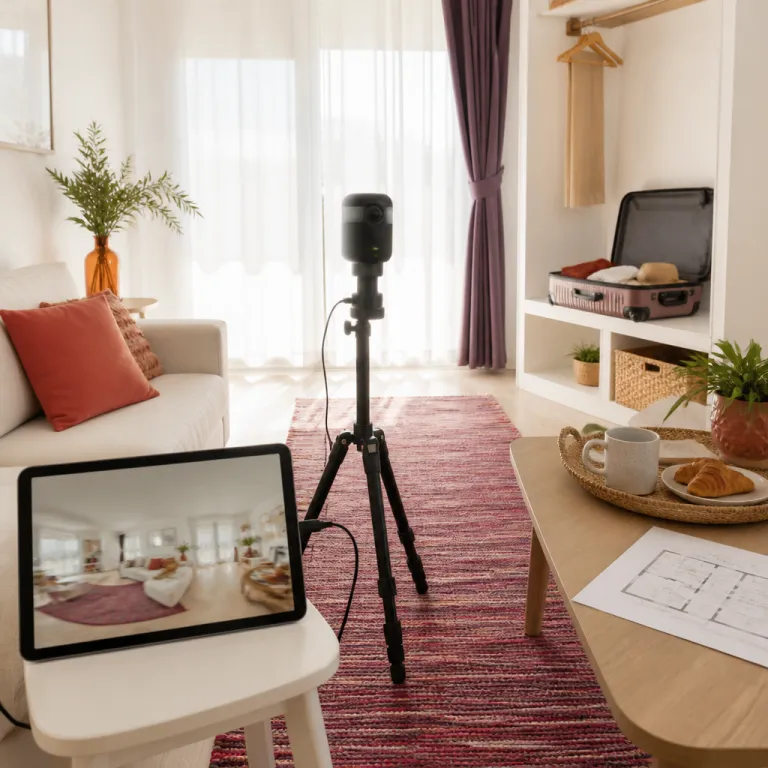
Traditional hotels rely on brand standards, so a frequent guest usually knows what to expect before any booking is confirmed. Independent properties do not have that safety net, which is why virtual tours matter more for a luxury homestay or a refined vacation rental than for a chain address. Platforms such as Vizzit, 360are, Matterport Imaging and VirtualTourEasy use AI powered processing to turn simple smartphone vidéos into immersive 3D tours that reveal proportions, light and flow in real time.
For travelers, this changes the emotional arc of travel planning and the practical side of booking websites at the same time. Instead of decoding wide angle photography, you can walk a tour from kitchen to terrace, checking whether the small property really has space for a morning yoga routine or a laptop friendly corner. That clarity builds guest trust, improves guest satisfaction and gives property owners fewer awkward conversations about mismatched expectations.
Industry data backs the shift toward virtual tour AI homestay booking discovery as more than a passing trend. An increase of 87 % in virtual tour usage reported by the National Association of Realtors reflects a broader appetite for interactive experiences across travel and real estate. The same logic applies to high end homestay properties, where travelers expect transparency, and where every guest experience is shaped long before arrival by what the booking website chooses to show.
Inside the new virtual homestay walk through
Open a luxury booking website today and the most sophisticated properties feel almost cinematic. Companies such as OpenTour, XPLORNOW and Ziara 360 now offer AI guided tours that let a guest pause in the living room, zoom into textures and call up contextual data about each property in real time. This is virtual tour AI homestay booking discovery as concierge, not just as marketing.
These platforms use AI generated 3D models and interactive overlays to answer the questions travelers actually ask during travel planning. How far is the pool from the master bedroom, what is the real ceiling height in the study, and does the local neighbourhood feel residential or resort like when you follow the tour outside the front door ? For business travelers extending a stay, that level of guest data and spatial clarity can determine whether a homestay works as both office and retreat.
On the host side, property management teams use the same tools to refine operations and revenue management strategies. When a virtual tour reveals that a property’s best asset is the sunset facing balcony, management software can push that feature in guest communication, adjust dynamic pricing and even suggest new experiences such as private tastings or yoga sessions. For a design led lakeside retreat like the one profiled in our guide to architecture, light and landscape on Lake Garda, that balcony becomes a revenue engine rather than just a pretty photograph.
Virtual tour AI homestay booking discovery also reduces reliance on third party intermediaries by supporting direct booking journeys. When a booking website can answer nuanced questions through an AI powered tour, property owners handle fewer repetitive enquiries and can focus on high value guest experiences instead. The result is a tighter loop between property management, guest satisfaction and long term business performance.
AI itineraries, natural language search and the human touch paradox
Once a guest can explore properties in depth, the next frontier is how they find those properties in the first place. Natural language search and AI generated itineraries are reshaping virtual tour AI homestay booking discovery by letting travelers describe how they want to feel, not just where they want to sleep. Major platforms, including Airbnb, are developing search that understands prompts such as “quiet stone house within 500 m of a swimming cove, suitable for video calls” and then matches them with relevant homestay options.
AI driven planning tools now sit on top of booking websites, analysing guest data, previous trips and even calendar constraints to suggest stays and experiences. Airbnb’s roadmap includes AI trip planning, photo to listing description generation and booking success analytics, while operators report that 61 % of short term rental businesses already use AI in day to day management. Yet only 8 % of travelers use AI for trip planning compared with 41 % who still consult friends and family, which reveals a deep human touch paradox at the heart of this technology.
Travelers expect warmth, local insight and nuanced guest communication that feels written by a neighbour, not a machine. The most sophisticated property owners therefore blend AI powered tools with personal storytelling, using management software to handle routine messages while they focus on tailored guest experiences and on the kind of cultural detail that no algorithm can fake. You can see this balance in refined island retreats such as those featured in our review of private Cyclades living on Paros, where the booking website uses clean data and smart search, but the welcome note still reads like a handwritten letter.
For business leisure travelers, that blend of precision and personality is non negotiable. They want AI to handle the heavy lifting of virtual tour AI homestay booking discovery, from filtering properties to optimising revenue for hosts, while humans curate the final layer of experiences and local recommendations. The winners will be platforms and hosts who treat AI as a discreet backstage équipe, not as the main act.
Digital check in, guest data and the new arrival ritual
Once the booking is confirmed, the next test of any luxury homestay is arrival. Digital check in technologies are evolving fast, and they now sit alongside virtual tour AI homestay booking discovery as part of a single, continuous guest experience. For an executive landing after a long haul flight, the ability to move from airport to keyless entry without friction is no longer a novelty ; it is a baseline expectation.
Smart locks, pre arrival identity verification and real time messaging platforms allow property management teams to orchestrate arrivals with hotel level precision. The same guest data that powered personalised search can trigger tailored touches at the property, from preferred room temperature to a stocked fridge that reflects dietary choices captured during booking. Used well, these tools turn a short term rental or small property into a finely tuned hospitality business rather than a side project.
Yet the most successful hosts remember that technology should frame, not replace, human welcome. A digital guidebook can handle operational communication, while a short handwritten note or a quick local recommendation message restores the sense of neighbourly care that defines the best homestay experiences. Our feature on sleep as the new luxury shows how thoughtful arrival rituals, from blackout curtains to herbal teas, can matter more than thread count for guest satisfaction.
For property owners, the operational upside of digital check in is significant. Automated workflows reduce the time spent on repetitive tasks, improve revenue management by cutting late arrival issues and free the équipe to focus on higher value guest experiences. When combined with virtual tour AI homestay booking discovery, these systems create a seamless arc from first click on the website to the moment a guest drops their bag in the hallway.
How smart hosts use AI without losing their soul
Technology can close the service gap between independent homestays and traditional hotels, but only if it is used with restraint. The most impressive examples of virtual tour AI homestay booking discovery come from hosts who understand that guests book stories, not software. They use AI powered tools to surface the right properties, optimise revenue and streamline property management, then step back and let the real life textures of the homestay do the work.
On the operational side, management software now links virtual tours, booking data and dynamic pricing engines into a single dashboard. A host can see which rooms attract the longest virtual tour engagement, adjust rates in real time and refine guest communication templates based on what travelers expect from similar properties. Over time, this creates a feedback loop where guest experiences, guest satisfaction scores and revenue management decisions all inform each other.
There is a risk, however, when hosts over automate and allow every message, recommendation and response to be generated by algorithms. Travelers notice when communication feels generic, and they quickly sense when a business hides behind technology instead of using it to enhance hospitality. Smart hosts keep AI in the background, using tools such as Discover Live or VADO for remote tours and insights, while still sending a personal note about the best local bakery or the quietest running route at sunrise.
For travelers choosing between a polished homestay and a familiar hotel brand, this balance is decisive. Virtual tour AI homestay booking discovery gives them confidence in the physical property, while thoughtful human touches reassure them that someone will care if plans change at the last minute. Booking blind is over, but the art of welcome remains very human.
FAQ
How do virtual tours enhance homestay discovery?
They provide immersive, interactive property previews. For travelers comparing several properties on different booking websites, this means you can evaluate layout, light and ambience before committing to a booking. That reduces uncertainty and helps align guest expectations with the real experience on arrival.
What role does AI play in virtual tours?
AI generates 3D models and offers guided insights. In practice, this allows platforms to turn simple smartphone vidéos into detailed tours, annotate key features and surface relevant data such as room dimensions or local context. The result is a more informative and efficient virtual tour AI homestay booking discovery journey.
Are virtual tours accessible on smartphones?
Yes, many platforms support smartphone access. Guests can explore a property tour on the same device they use for travel communication, airport transfers and restaurant reservations. This mobility is especially valuable for business travelers who make decisions between meetings or while in transit.
Do virtual tours require special equipment?
No, many can be created using standard devices. Hosts often start with a modern smartphone or a simple 360° camera, while AI powered software handles stitching, modelling and optimisation. This lowers barriers for small property owners who want to compete with larger operators on guest experience.
How accurate are AI generated virtual tours?
They offer high accuracy and realistic representations. While no digital model can capture every sensory detail, leading providers such as Matterport Imaging, Vizzit and 360are deliver spatially precise tours that reflect the real property layout. For travelers, this level of accuracy makes booking feel less like a risk and more like an informed choice.