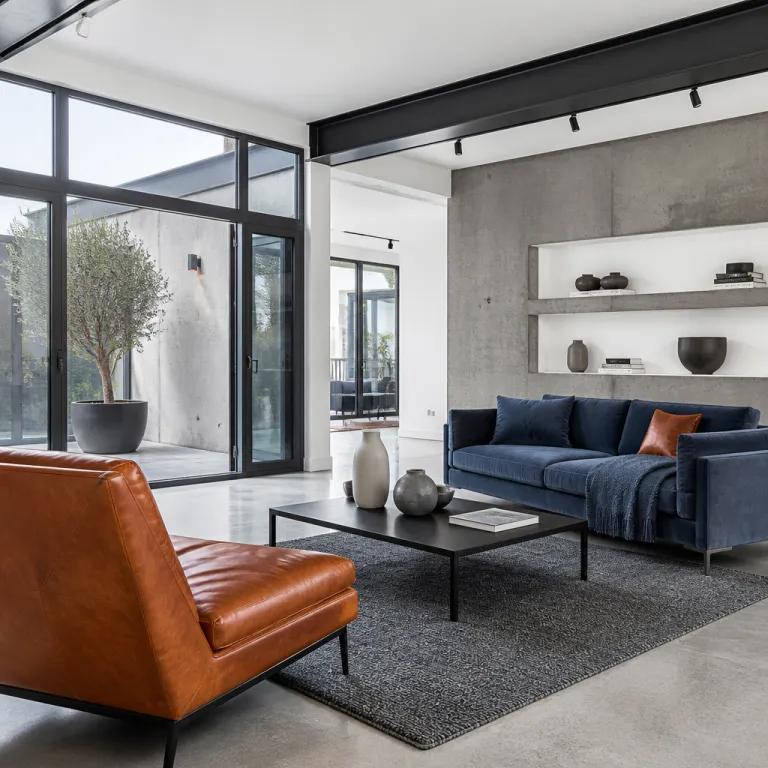
How to read a luxury homestay interior design cues listing
When you open a luxury homestay interior design cues listing, you are really reading a visual language rather than just browsing pretty pictures. A carefully written description quietly tells you how the rooms will feel, how the furniture will age, and whether the property will still look elegant after a week long stay. Train your eye like an interior designer and you will quickly notice which boutique villa promises depth and which homestay simply stages a space for the camera.
Start with materials, because they rarely lie and they define how guests actually experience comfort in both hotel rooms and private homes. Natural stone countertops, visible wooden beams, and handmade tiles signal investment in long term quality, while thin laminate, shiny MDF, and generic catalog décor often indicate a property designed more for photos than for people. In a strong listing, every surface feels intentional and well considered, from the marble floors in the hallway to the cane furniture on the terrace and the solid wooden doors that close with a reassuring weight.
Look closely at hands and craft, even when you only have photographs to guide you. You might notice a hand painted ceramic lamp on the seater dining bench, a dining table with visible joinery, or chandeliers with marble details instead of plastic imitations. These are the quiet luxuries modern travelers should expect from a serious luxury homestay interior design cues listing, because they show that someone has designed the property as a home first and a rental second.
Material signals that separate true luxury from staging
Interior designers will tell you that luxury starts under your feet and in your hand, long before you see the full rooms. When a high end homestay description highlights marble floors, stone basins, and wooden window frames, you can reasonably expect a property that will age gracefully and feel cool under bare feet after a day in the local heat. By contrast, when every surface in the photos looks shiny, thin, and identical from room to room, the design is probably optimized for quick turnover rather than for guests who care about tactility.
Pay attention to how natural and engineered materials are balanced across the space, especially in regions like Goa where humidity and salt air punish cheap finishes. A well designed Goan homestay might combine reclaimed wooden doors, cane furniture on the veranda, and a marble floors threshold that separates the outdoor sand from the indoor calm. In a thoughtful listing, the host will often mention that the dining table is custom designed or that the chandeliers’ marble bases were sourced from a specific region, which signals both pride and investment.
Minimalist luxury design does not mean empty rooms; it means fewer, better pieces that feel solid in the hand and honest to the eye. When you see a seater dining arrangement described simply but shown with substantial wooden chairs and a stone topped table, you are likely looking at luxuries modern travelers appreciate more than gold accents. For instance, the interiors at a restored riverside villa in North Goa use a restrained palette, heavy teak furniture, and stone details to create calm, proving that restraint and clarity can define high end spaces without feeling sparse.
Color, light, and the new palette of quiet luxury
Color has become one of the clearest signals in any luxury homestay interior design cues listing, especially as bright white interiors give way to softer, grounded tones. Current high end design leans toward clay, sand, mushroom, olive green, and terracotta, which photograph with depth and also feel restful after long travel days. When every hotel style room in a listing is aggressively white with cool lighting, you may be looking at a property staged for quick impact rather than long, restorative stay experiences.
Light matters as much as color, so study how each space is illuminated and how the rooms relate to the sun. Listings that show layered lighting — a mix of ceiling fixtures, wall sconces, and table lamps — usually indicate that someone has designed the property for both daytime work and evening intimacy. If you only see a single overhead light in each room and no sense of where the windows sit, expect a more basic hotel rooms experience even if the description uses the language of luxury.
Close up photos are your best friends when you want to read quality rather than marketing claims. A serious luxury homestay interior design cues listing will include detail shots of chandeliers with marble columns, hand painted tiles, or the grain of the wooden dining table, not just wide angle images that stretch the space. As a quick checklist, look for at least one image that shows: the texture of upholstery, the finish of door handles, and the junction where floor meets wall — these small areas often reveal whether a home will photograph well and also live well.
Furniture, layout, and how a room really lives
Furniture tells you how you will actually live in a property, so treat it as a primary clue in any luxury homestay interior design cues listing. Mid century originals, artisan chairs, and cane furniture with visible weaving usually indicate a host who cares about design history and comfort, not just filling rooms. When every piece looks like it came from the same catalog set, expect a more generic hotel experience even if the listing calls the property unique.
Study the layout of each space and ask yourself how you would move through it during a real stay, from the first coffee at the dining table to the last glass of wine by the window. A well designed seater dining area will allow guests to sit without bumping into walls, with enough clearance around the table for someone to pass behind a chair. In couples focused homestays, look for at least one generous sofa or two deep armchairs in the living room, because this is where you will feel whether the property is a home or just a set of hotel rooms.
Details around the furniture often reveal the host’s priorities and the region’s character. You might notice a hand painted artwork above a wooden bench, a stack of local design magazines on a marble floors ledge, or a small desk designed for remote work with a comfortable chair rather than a decorative stool. These touches show that the property has been designed for real guests who stay longer than a weekend, which is the essence of luxuries modern travelers quietly seek.
Bathrooms, wellness, and the new language of comfort
Bathrooms have become one of the clearest markers of quality in any luxury homestay interior design cues listing, often revealing more than the main rooms. A rainfall shower, a freestanding tub, and natural stone basins suggest a property designed for slow mornings and unhurried evenings, not just quick hotel style routines. When you see only a narrow shower stall with standard chrome fixtures and no mention of materials, expect a more functional than indulgent experience.
Wellness focused design is now central to high end homestays, especially for couples planning longer stays in destinations like Goa or the wider coastal region. Look for listings that mention infrared saunas, cold plunge pools, or small meditation spaces, ideally integrated into the architecture rather than added as portable gadgets. When these elements sit alongside marble floors, wooden ceilings, and soft earth toned walls, you are seeing a property where wellness and design work hand in hand.
Sustainability has also become a design language in its own right, not just a technical feature hidden on the roof. A thoughtful luxury homestay interior design cues listing might reference solar integration, passive cooling through wooden shutters and deep verandas, or even green roofs and indoor trees. For a richer understanding of how biophilic design — think moss walls, open courtyards, and living roofs — is reshaping luxury expectations, consider how coastal homes by studios such as Studio Mumbai blur the boundary between architecture and landscape to create nature driven comfort.
Reading between the photos: context, craft, and expert cues
The most reliable listings balance beautiful images with precise language, giving you enough context to judge the property like an interior designer. When a luxury homestay interior design cues listing specifies that the dining table is hand crafted from local wooden species or that the chandeliers’ marble bases were carved by artisans in a particular region, you can feel the difference in commitment. Vague phrases such as “stylish space” or “modern design” without material details usually signal a focus on marketing rather than on long term guest comfort.
Pay attention to how often the host mentions the local context and how the property responds to it, especially in climate sensitive destinations like Goa. A well designed coastal homestay might highlight cross ventilation through tall wooden doors, deep balconies furnished with cane furniture, and marble floors that stay cool even in the afternoon heat. These details show that the design is not just visually appealing but also technically competent, which matters when you plan to stay for more than a quick hotel weekend.
Professional guidance can sharpen your eye further, and serious hosts increasingly work with qualified interior designers to elevate their properties. As one expert puts it, “What defines luxury in interior design? High-quality materials, craftsmanship, and cohesive aesthetics.” Another adds, “How can I make my homestay listing appear more luxurious? Incorporate quality furnishings, neutral palettes, and thoughtful lighting.” Design led hospitality brands such as Soho House have built their reputation on exactly these principles, proving that consistent material quality and layered lighting can turn a simple floor plan into a recognizably luxurious experience.
Key statistics that frame luxury homestay design
- Industry reports on premium vacation rentals consistently show that design forward listings tend to see higher occupancy and can command premium nightly rates, suggesting that interior quality directly influences bookings.
- Recent travel trend surveys from major card and hospitality companies indicate that a majority of respondents are willing to spend more on unique, design driven stays, which explains why more property owners invest in well considered interiors rather than basic hotel style rooms.
- Educational programs for property owners that emphasize high quality materials and cohesive design aim to improve listing quality and boost bookings, with the expected impact described as higher occupancy rates and more positive reviews.
- Design checklists, photo examples, and market data are increasingly used as tools to evaluate whether a luxury homestay interior design cues listing truly reflects on site quality, helping travelers make more informed choices.
FAQ: reading luxury design cues in homestay listings
What defines luxury in interior design for homestays ?
Luxury in homestay interior design is defined by high quality materials, strong craftsmanship, and a cohesive aesthetic that runs through every room. Natural stone, solid wooden elements, and well designed lighting usually indicate a serious investment in comfort. When these elements appear consistently in a luxury homestay interior design cues listing, you can expect a more refined stay than in a standard hotel.
How can I tell if a listing is genuinely high end or just staged ?
Look for close up photos of materials, clear mentions of specific furniture pieces, and references to local craft or regional design traditions. Listings that only show wide angle shots and use generic language about style often prioritize photography over real world comfort. A genuine luxury homestay interior design cues listing will usually describe how the space is used by guests, not just how it looks.
Which bathroom details signal a truly luxurious property ?
Rainfall showers, freestanding tubs, and stone or marble floors are strong indicators of a higher tier property. Thoughtful lighting, generous counter space, and well designed storage also show that the bathroom has been planned for daily use rather than quick hotel style visits. When these features appear alongside natural materials and calm colors, the luxury homestay interior design cues listing is likely aligned with your expectations.
Why do color and lighting matter so much in listings ?
Color and lighting shape how restful and functional a space will feel during your stay, especially for couples spending long evenings indoors. Earth toned palettes and layered lighting usually create a calmer, more flexible environment than stark white walls with a single overhead bulb. Reading these cues in a luxury homestay interior design cues listing helps you choose a property that supports both work and relaxation.
How are property owners learning to improve their homestay design ?
Many property owners now attend educational guides and workshops that focus on recognizing luxury design elements and enhancing property appeal. These sessions use visual analysis, comparative study, and expert insights to teach owners how to upgrade materials, furniture, and lighting. As more hosts apply these lessons, travelers benefit from homestays that feel closer to thoughtfully designed homes than to generic hotel rooms.