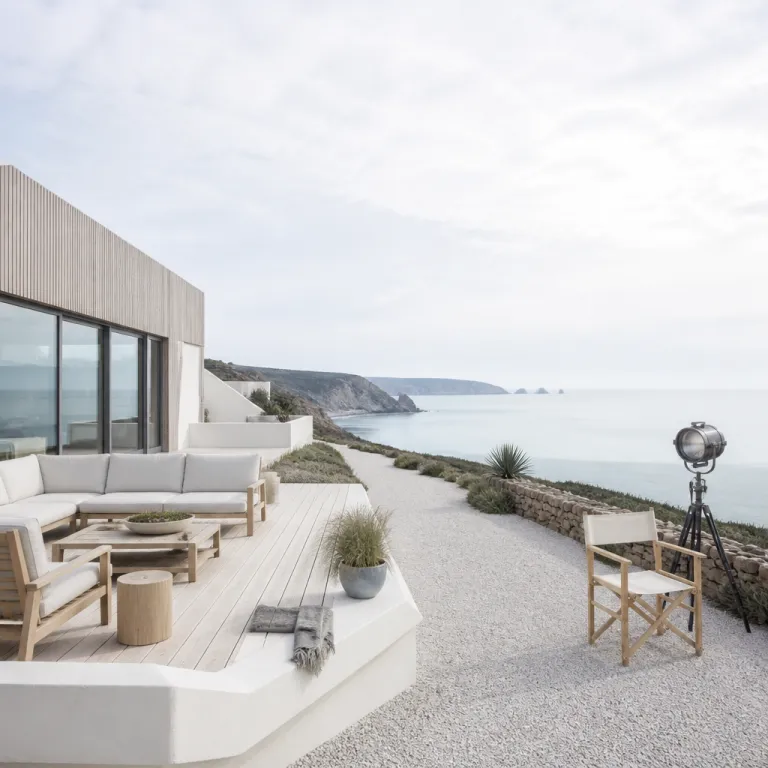
From screen to stay: the new film location homestay travel trend
Film induced tourism has quietly reshaped luxury travel, and the current film location homestay travel trend 2026 is simply its most polished expression yet. Streaming platforms release a series, travellers fall for a coastal town or a mountain village, and within weeks the destinations main streets feel subtly busier with couples tracing camera angles rather than guidebook checklists. The common thread is clear for every traveller who loves cinema and comfort in equal measure.
Tourism researchers define film induced tourism as “travel to locations featured in films,” and the data shows that some destinations see tourism rise by more than 30 percent after a major release. When 81 percent of travellers say they are interested in visiting on screen locations, luxury homestays near those film sets move from niche properties to prime travel decisions almost overnight. For couples planning one special trip each year, the question is no longer whether films will turn their heads, but which house or homestay will turn a passing obsession into a longer, layered stay.
Luxury homestay providers sit at the centre of this shift, working with film production companies, tourism boards and local governments to translate cinematic images into real world experiences. Instead of a generic hotel near the main square, couples now look for homes that echo the mood of the series they love, from a quiet stone house in the south to a glass fronted apartment above a neon lit strip. The film location homestay travel trend 2026 rewards properties that feel lived in and local, where the kitchen still smells of last night’s sauce and the bookshelf holds scripts, not just design objects.
The homestay advantage over traditional hotels in film driven destinations
Staying in a homestay rather than a hotel near a famous filming site changes the entire rhythm of a trip. Instead of queuing for a photo and retreating to an anonymous lobby, travellers return to homes where farming hosts share stories about how the crew borrowed their tractor or used their courtyard as a backdrop. That intimacy is why luxury travel couples increasingly treat the film location homestay travel trend 2026 as a way to feel part of the neighbourhood, not just spectators.
In many destinations, properties listed on specialist platforms sit on the very streets that appear on screen, while larger hotels cluster at the edge of town near parking and tour buses. A couple booking local accommodation can walk the same alley at dusk, then step into a house where the host has framed a still from Getty Images showing the exact view from the balcony during filming. Those small, precise touches turn short term visits into richer experiences, especially when hosts add cultural activities such as a cooking lesson or a walk to the nearby beach used in a key scene.
Urban film locations bring a different kind of homestay advantage, particularly for travellers who enjoy nightlife and design. A high rise residence like the luxury apartments featured in guides to Las Vegas living, for example in this overview of luxury residential living in the heart of the Strip, shows how a private unit can feel more cinematic than any themed suite. For couples, the choice between a hotel and a homestay near a filming location often comes down to one question ; do you want to feel like an extra, or like the lead characters returning home after the final shot ?
Why couples are leading the film inspired luxury homestay movement
Couples in their thirties, forties and fifties are driving the film location homestay travel trend 2026 because they combine disposable income with very specific cultural tastes. They are not chasing every viral destination ; they are choosing a few meaningful trips over several years, often shaped by the films and series that have quietly soundtracked their relationship. For them, luxury is less about marble lobbies and more about a house that feels like the set of a story they already love.
Research from travel agencies and streaming platforms shows that younger travellers, especially Gen Z, are highly influenced by their favourite shows when making travel decisions. Many of these travellers then grow into couples who want longer stays in local homes, where they can cook, work remotely and join cultural activities that echo scenes from the screen. When they choose homestays over hotels, they are often seeking insider knowledge from hosts who remember the filming days and can point out the less obvious angles, from a hidden courtyard to a quiet stretch of beach.
Regulation is another reason couples lean toward carefully curated homestays rather than unvetted short term rentals. Cities from Paris to coastal hubs are tightening rules on illegal rentals, and informed travellers now look for platforms that respect local law and protect luxury travel standards, as explored in this analysis of what new enforcement means for high end guests. For couples planning a special anniversary or a once in a year escape, that sense of order and trust matters as much as the view that first caught their eye on screen.
How to find film location homestays without paying the tourist premium
Finding a luxury homestay near a famous filming site without overpaying starts with understanding how demand spikes after a release. Studies of film induced tourism show that some destinations experience visitor increases of more than 30 percent, and one coastal town linked to a family film saw a 51 percent rise in arrivals after its cinema debut. Those numbers explain why the film location homestay travel trend 2026 can feel expensive if you only search the most obvious streets.
Smart travellers use platforms that allow precise filters for neighbourhood, distance to key locations and length of stay, then look one or two blocks beyond the exact filming spot. A house slightly removed from the main square often offers better value, more nature and quieter nights, while still keeping you close enough to walk the route you saw on screen. When you focus on booking local properties run by farming hosts or long term residents, you also gain access to insider knowledge about the best times to visit and the corners that tour groups skip.
Another strategy is to align your dates with the rhythm of the destination rather than the release calendar. Instead of rushing to travel the same month a series drops, consider visiting later in the year when prices soften but the cultural buzz remains, especially in the south where seasons stretch longer. Guides to responsible luxury, such as this piece on spotting genuine sustainability in a luxury homestay, can also help you filter homestay offers so you pay for real quality rather than pure hype.
From cinematic backdrop to lived in neighbourhood: what hosts and guests should expect
For hosts, the film location homestay travel trend 2026 is both an opportunity and a test of restraint. The most successful properties weave subtle references to their screen moment into the existing character of the house, perhaps with a still from Getty Images in the hallway or a guestbook note about the day the crew wrapped. Heavy handed theming, by contrast, can make a stay feel like a set visit rather than a genuine local experience.
Tourism boards, film production companies and luxury homestay providers increasingly collaborate to balance cinematic appeal with community wellbeing. Their shared goal is to channel new travel flows into nature tourism, cultural activities and longer stays that support local businesses, rather than short term surges that strain infrastructure. As one industry summary puts it succinctly, “Streaming platforms boost location interest,” “Social media influences travel choices,” and “Luxury homestays in demand.”
Guests also carry responsibility when they turn a favourite scene into a real journey. Respecting local cultures, following house rules and choosing homestays that invest in nature and community projects ensures that film induced tourism strengthens rather than erodes the places on screen. When travellers use the skip content button on generic listings and instead use their own hands to find thoughtful, well run homes, the result is a form of luxury travel where the real star is the relationship between host, guest and place over many years.
FAQ
What is film induced tourism in the context of luxury homestays ?
Film induced tourism refers to travel to locations featured in films or series, with guests choosing to stay in nearby homestays rather than standard hotels. In the luxury segment, this often means carefully restored houses or contemporary properties that offer privacy, high service standards and a direct connection to the neighbourhood seen on screen. The film location homestay travel trend 2026 simply describes how this behaviour has become a major driver of demand for upscale homes worldwide.
Why are luxury homestays popular in film locations ?
Luxury homestays in film locations are popular because travellers want immersive, upscale experiences that feel personal rather than branded. Staying in a local house or apartment lets guests follow the routes of their favourite characters, then return to a space with its own history, host stories and cultural details. For many couples, that blend of comfort, privacy and insider knowledge is more appealing than a hotel room, even in famous destinations.
How do films impact local economies and homestay hosts ?
When a film or series highlights a destination, local visitor numbers can rise sharply, bringing new income to restaurants, guides and homestay hosts. Luxury homestay providers benefit from higher occupancy and the chance to extend stays by offering cultural activities, nature tourism experiences and curated services. At the same time, hosts must manage demand carefully to avoid overtourism and to maintain good relationships with neighbours and local authorities.
How can couples find authentic homestays near filming locations ?
Couples should start by researching where key scenes were shot, then use reputable platforms to filter for verified properties within walking distance. Reading recent reviews, checking how hosts describe their connection to the filming and comparing prices across different streets helps avoid inflated tourist premiums. Choosing booking local options that highlight sustainability and community ties is usually a reliable way to secure an authentic, luxury stay.
What should travellers keep in mind when visiting film locations ?
Travellers should remember that film locations are real communities, not theme parks, and behave accordingly. Respecting privacy, supporting local businesses and following guidance from hosts and tourism boards helps ensure that film induced tourism remains welcome. Planning trips outside absolute peak periods and opting for longer, slower stays in homestays rather than quick short term visits can also reduce pressure on popular neighbourhoods.