What makes a truly dark sky for stargazing stays
A genuine dark sky begins with distance from towns and roads. For a dark sky stargazing homestay, you want accommodation at least several kilometres from dense villages, where light pollution fades and the Milky Way returns. Look for historic retreats homestay properties that sit beyond the last streetlamp, with a clear view of the horizon and minimal glare from neighbouring cottages.
Elevation matters as much as remoteness, especially in cold season mountain country where the air is dry and thin. High altitude sites above 1 500 metres often enjoy darker skies, because there is less atmosphere to scatter light and fewer particles to dull the night sky. When you check a listing, study the map carefully and note whether the cottage or pod bedroom faces a valley, a lake, or an open ridge with an unobstructed sky.
Before you book, use satellite maps and dark skies charts to gauge how dark the night skies will feel from your chosen stay. Tools such as the Bortle scale, the Light Pollution Map project, and the International Dark-Sky Association (now DarkSky International) ratings help you compare regions objectively. Many observatory grade regions, such as the area around Hanle in Ladakh, are recognised for their pristine skies and can be a useful benchmark when you compare other sites. If a host mentions that guests enjoy seeing the Milky Way with the naked eye, that is usually a sign that the sky above the accommodation is genuinely dark and worth a long autumn night.
Reading listings like an astronomer, not a tourist
When you scroll through a dark sky stargazing homestay listing, read it as if you were planning a stargazing session rather than a standard weekend away. The best stargazing retreats are not always the shiniest properties; they are the ones where the terrace faces south, the trees sit low, and the nearest village glows faintly on a distant hill. Treat every photo of the sky, the garden, and the lake or valley as data about how your night will actually feel, and imagine where you would place a chair or tripod.
Look for phrases that signal low light pollution, such as “no neighbours in view” or “only one cottage in the valley”, and cross check them against satellite imagery or a light pollution atlas. A historic country retreats homestay with a simple stone pod bedroom and a fire pit can outperform a grander house if its skies are darker and its outlook is wider. Earlier nightfall in autumn means you can enjoy a full stargazing session after dinner, without staying up until the small hours just to see the night sky properly.
For foliage chasers, pairing a dark sky stay with peak colour can be powerful, and guides to booking before peak foliage sells out can help you time it well, as explored in this piece on autumn colour focused homestays. Solo travellers should message hosts directly to ask where guests enjoy the clearest view and whether any outdoor lighting can be switched off during the night. A thoughtful, friendly reply is often your first glimpse of the warm hospitality that will shape your stay as much as the stars overhead.
Property features that turn darkness into luxury
In a dark sky stargazing homestay, luxury is measured in silence, clarity, and comfort rather than chandeliers. Start with orientation; the ideal base will have at least one terrace, deck, or skygazing pod facing away from any road, with the main bedroom bathroom windows shielded from stray beams. A compact night pod or pod bed tucked under a glass roof can feel more indulgent than a vast suite if the night skies above it are truly black and the layout lets you move without harsh light.
Cold season stays demand thoughtful details, from controllable blackout blinds to efficient air conditioning that can quietly warm or cool the pod bedroom without humming through the night. Look for a cottage where the bathroom entry does not flood the sleeping area with light, so you can slip out without losing your dark adaptation during a long stargazing session. Historic homestays in regions like rural Tuscany or the Scottish Highlands often pair thick stone walls with modern comforts, and guides such as this elegant overview of Tuscan historic stays show how character and comfort can coexist.
Outdoor features matter just as much as interiors when you plan to stay under dark skies for several hours. A hot tub, a sheltered fire pit, or even a simple bench by a lake can transform a chilly night sky into a long, luxurious ritual. When a host has thought about where guests enjoy sitting after dark, you usually find extra blankets, lanterns with red filters, and small touches that signal genuine care rather than generic amenity checklists. In some regions, you may even see properties described as Dark Sky Park adjacent or Bortle class 2–3, which is a strong sign that the surrounding night environment has been taken seriously.
Historic homestays where the stars feel like neighbours
Historic retreats homestay properties carry a particular magic when paired with a dark sky, because the building itself reminds you how people read the heavens years ago. A stone cottage that sleeps two or three guests, with creaking floors and shelves of old astronomy books, can feel like an observatory in miniature once the lamps are dimmed. In these places, the night sky is not a backdrop but a returning character that has shared the roofline for generations.
Some of the most atmospheric stargazing retreats sit in high country valleys, where a lake reflects the stars and the only sounds are wind and distant livestock. In such accommodation, a simple pod bedroom with a bed skygazing window can feel more intimate than a grand suite, especially when warm hospitality comes in the form of a host who leaves a thermos of tea by the door. The best hosts know that guests enjoy stories as much as constellations, and they will often share local legends tied to particular stars or mountain silhouettes.
When you read about elevated coastal escapes or rural estates, such as those featured in this guide to refined seaside homestays, pay attention to how the property relates to its sky as well as its shoreline. A historic house that once guided sailors can double as a private observatory for modern travellers, especially if the surrounding skies remain dark and uncluttered. For solo explorers, these layered stories turn a simple stay into a quiet conversation between architecture, landscape, and the stars above.
How to prepare for an autumn dark-sky homestay
Preparation is what turns a dark sky stargazing homestay from a pretty night into a memorable ritual. Pack in layers, starting with thermal base pieces and ending with a windproof shell, so you can stay outside for a full stargazing session without retreating indoors too soon. A small red light torch helps you move between the cottage, the bathroom entry, and any skygazing pod or night pod without losing your night vision, and keeps your eyes adapted to the dark sky.
Before you travel, check with your host about the clearest viewing spots around the accommodation and any local customs about late night movement. In some country regions, walking to lakes or hilltop sites after dark may cross farmland, so a friendly message can clarify paths and gates while reinforcing the sense of warm hospitality. Ask whether outdoor lights can be dimmed or switched off, and whether the air conditioning or heating can be adjusted quietly while you sleep or watch the sky.
Once you arrive, treat the first evening as a rehearsal, noting where guests enjoy sitting, how the night skies shift over the roofline, and which corners of the property feel most sheltered from wind. Solo travellers often find that a simple routine — tea in hand, extra blanket on the pod bed, phone on airplane mode — turns each stay into a personal retreat. Over several nights, the dark skies above your temporary observatory will start to feel familiar, and the line between guest and neighbour will gently blur.
FAQ
How can I tell if a homestay really has dark skies ?
Start by checking satellite maps and recognised dark sky charts for the area around the accommodation. Look for distance from towns, minimal road lighting, and hosts who mention seeing the Milky Way or a very bright night sky. Reviews that describe low light pollution, reference a good Bortle class rating, or note that guests enjoy long evenings outdoors are usually reliable indicators.
What room features matter most for a dark-sky stay ?
Prioritise a bedroom bathroom layout where you can move without flooding the room with light, and windows that face open country rather than car parks. A pod bedroom, skygazing pod, or night pod with a comfortable pod bed or bed skygazing window can make hours under the sky feel effortless, especially when paired with blackout blinds and quiet climate control. These combined features help you stay comfortable during long, cold season nights without sacrificing your view of the stars.
Is autumn really better for stargazing than summer ?
Autumn offers earlier sunsets, so you can enjoy a full stargazing session without staying up extremely late. The air is often crisper and drier, which sharpens the view of the night skies and reduces haze over lakes or valleys. Fewer insects and longer evenings indoors also make cold season stargazing retreats more comfortable for many guests.
What should solo travellers pack for a dark-sky homestay ?
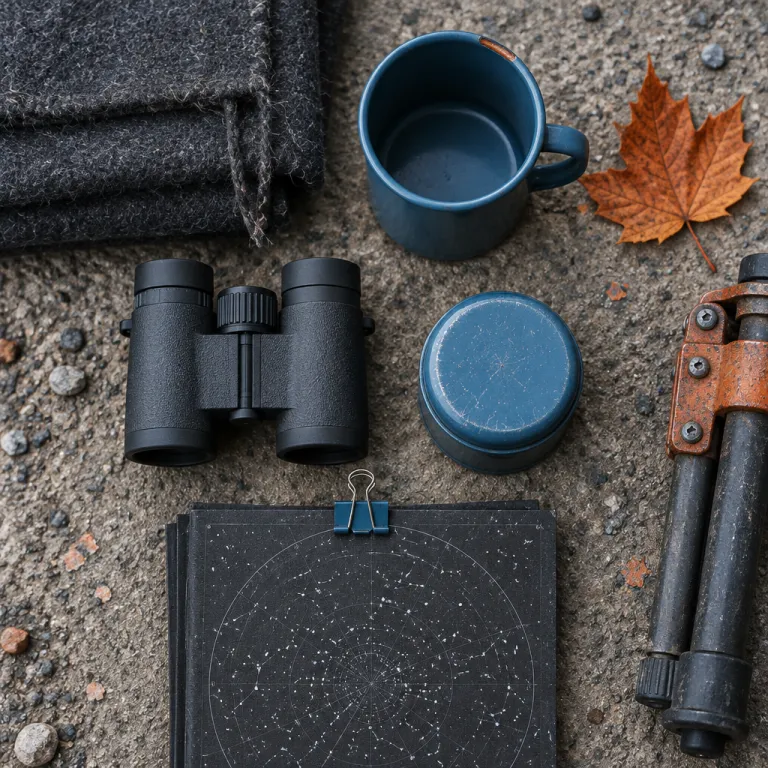
Bring layered clothing, a warm hat, gloves, and thick socks so you can stay outside for extended periods. A red light torch, a notebook for recording constellations, and any personal comfort items such as a favourite blanket can make the cottage or observatory style space feel more like home. Many solo guests enjoy having a small tripod or binoculars to deepen each night sky session.
Are historic homestays suitable for first time stargazers ?
Historic retreats homestay properties can be excellent for beginners, because their rural locations often guarantee darker skies than urban rentals. Many hosts provide simple guides to the sky, suggest the best viewing sites on their land, and share local stories that bring constellations to life. If you are unsure, send a friendly message asking how previous guests enjoy the night sky there and whether any equipment is available to borrow.