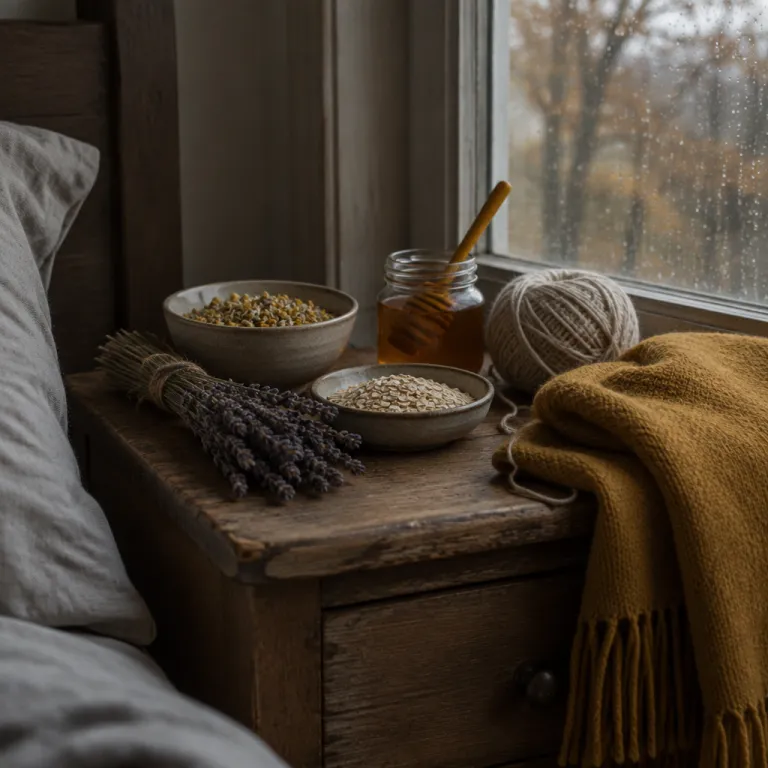
Autumn sleep tourism homestays: how to plan a rest‑first escape
Why autumn is the golden season for sleep tourism homestay stays
As nights stretch longer and temperatures soften, autumn quietly becomes the most intelligent season for a sleep tourism homestay escape. The extended hours of darkness give your body more time to reset, while cooler air outside and precise thermal control inside a carefully chosen homestay make deep sleep feel almost inevitable. When you plan your stay around rest rather than sightseeing, you start to evaluate every room, every host and every place to stay through the lens of how well you will actually sleep.
Sleep tourism now represents a major segment of global tourism, with analysts at Research and Markets estimating the wider sleep economy at more than US$580 billion by the mid‑2020s and growing quickly as travellers seek restorative breaks. Industry reports from hospitality groups and wellness consultancies also note a rise in “restorative retreats” and “sleep‑first getaways”, where guests book specifically for better rest rather than for attractions. In this context, a sleep tourism homestay in autumn offers a quieter, more personal alternative to a traditional hotel, especially for a couple seeking a relaxing stay that still feels indulgent. Instead of anonymous hotels with corridor noise and early housekeeping, you are choosing a homestay where the host family understands that the perfect place for you is the one where you wake naturally, not to a trolley in the hallway.
Think of autumn as a natural sleep aid that does not fit in a bottle, but in the way a mountain village falls silent after dinner or how mist rises from a nearby lake at dawn. In many historic homestays, thick stone walls, heavy shutters and low light pollution combine with the season’s longer nights to create a room that stays dark and quiet until you are ready to move. When you align your time away with these conditions, a sleep‑first stay stops feeling like a luxury and starts feeling like the most rational way to travel, especially if you are recovering from a demanding work period or looking to reset your circadian rhythm.
How to read a homestay listing when sleep is the headline amenity
Most listings still sell you on thread count, bathtub size and proximity to a famous hotel, but a sleep tourism homestay in autumn demands a different reading strategy. Start with orientation and structure; a room facing a quiet courtyard or lake, with thick walls and solid doors, will usually outperform a glamorous street view when your priority is sleep. When you scan photos, look for clues that the place will stay dark and silent at night, such as blackout curtains, shutters, rugs on hard floors and a bed positioned away from windows.
Next, interrogate the description the way a seasoned travel editor would, focusing on distance from roads, bars, train lines and any busy station that might generate late noise. A homestay that mentions being close to hiking trails, vineyards or a forest edge is often better for a relaxing stay than one that boasts about nightlife and nearby hotels. For remote workers planning an autumn workation, pairing this sleep‑first lens with guidance from an in depth autumn workation homestay guide can help you balance productivity with genuine rest.
To avoid repetition and guesswork, turn your review into a simple checklist that you can reuse for every potential autumn homestay: note the direction the bedroom faces, the type of windows and shutters, the presence of carpets or rugs, and whether the listing specifies individual climate control. Do not hesitate to message the host with specific, practical questions about sleep, because their answers will tell you as much about the experience as the photos. Ask whether the room has effective air conditioning or radiant heating, whether windows have shutters, and whether the host family keeps common areas quiet after a certain time. A host who responds with concrete details about noise patterns, local habits and how previous guests enjoy the calm is usually the one who will help you stay local and experience real neighbourhood rhythms rather than a generic hotel atmosphere.
The homestay advantage over hotels for deep, uninterrupted rest
When sleep is the main reason to travel, the structural differences between a homestay and a hotel suddenly matter more than any loyalty programme. In a well chosen sleep tourism homestay during autumn, there are no slamming corridor doors at midnight, no early housekeeping rounds and no conference groups returning from the bar just as you are drifting off. Instead, you share a building with a host family or a small number of other guests, which makes it easier to agree on quiet hours and treat the place as a shared home rather than a transient station.
Historic homestays in Europe and Asia often occupy old townhouses, farmhouses or mountain lodges, where thick masonry walls and timber beams naturally insulate sound. These buildings were designed in a pre car era, so they tend to sit on narrow lanes or village squares where traffic noise is low and time moves at a slower pace. A carefully restored Tuscan farmhouse, for example, can be a perfect place for couples who want to enjoy local cuisine at a long table, then retreat to a room where the only sound is wind in the cypress trees, as explored in this elegant guide to choosing a Tuscany bed and breakfast in historic homestays.
Hotels still have their place, especially in dense cities where regulations and services matter, but they rarely match the intimacy of staying with a host who knows every creak of the staircase. That host can tell you which room is naturally cooler in autumn, which side of the house is shielded from the village church bell, and which nearby lake path is quiet enough for a moonlit walk before bed. For couples used to large hotels, the experience of a homestay where you are treated as a temporary neighbour rather than a booking number can feel like the most luxurious stay of all, particularly when your goal is deep, uninterrupted rest.
Designing your perfect autumn sleep‑first itinerary, from lake cabins to mountain lodges
Planning a sleep tourism homestay in autumn starts with choosing landscapes that work with your circadian rhythm rather than against it. Lakeside cabins, forest cottages and mountain lodges all offer natural darkness, cooler night air and a slower tempo that encourages earlier bedtimes. When you browse options, imagine how the place will feel at 22:00, not just how it photographs at midday, because that is when the quality of your stay will really show.
A cabin on a quiet lake, for example, can be a perfect place to enjoy long evenings with a book, then fall asleep to the soft slap of water against the shore. Many such retreats sit near gentle hiking trails, so you can spend the day walking under autumn foliage and return pleasantly tired, ready for a long, uninterrupted night. For couples who want a refined yet rustic atmosphere, a curated guide to booking a serene lake cabin in the mountains can help you filter for properties where the architecture, the host and the landscape all support a genuinely relaxing stay.
Mountain lodges bring a different kind of sleep advantage, especially in regions where the air is crisp and dry once summer heat has faded. At higher elevations, daytime hiking trails and panoramic viewpoints give way to star filled skies and quiet villages after dark, creating ideal conditions for deep sleep. When you combine that natural stillness with a homestay that offers thoughtful air conditioning or heating, heavy duvets and a host who understands the art of an unhurried breakfast, your autumn time away becomes less about ticking sights and more about returning home genuinely rested.
What to ask your host before booking a sleep tourism homestay in autumn
Once you have shortlisted a few promising properties, the final step in planning a sleep tourism homestay for autumn is a precise, polite interrogation of the host. Start with darkness; ask whether the bedroom has blackout curtains, shutters or at least double layers of blinds, and whether any external lights shine directly into the room. Then move to noise, requesting honest details about nearby roads, village events, dogs, roosters and any station or bus stop that might generate early morning commotion.
Thermal comfort is just as critical, because even the quietest room will not deliver deep sleep if you are too hot or too cold. Ask how the heating is managed at night, whether there is individual control or shared air conditioning, and whether extra blankets are available for those cooler autumn hours before dawn. If you are sensitive to air quality, it is worth checking whether windows can be safely opened at night and whether the place stays free of damp, especially in older stone houses close to a lake or river.
Finally, use the conversation to gauge how the host thinks about hospitality, because that mindset will shape your entire stay. A host who volunteers tips on where to enjoy local cuisine without late night noise, or who suggests the quietest hiking trails for a gentle afternoon walk, is signalling that they understand your priorities. When they speak about their homestay as a place to stay local, experience real neighbourhood life and sleep well rather than just a cheaper alternative to hotels, you have likely found the kind of historic homestay where autumn nights feel long in the best possible way.
Sleep‑first homestays in Vietnam: where local rhythm meets autumn calm
Vietnam might not be the first country that comes to mind for a sleep tourism homestay in autumn, yet its varied landscapes and strong host family culture make it a compelling choice. In the northern mountains, traditional stilt houses and small mountain lodges sit above terraced rice fields, where evenings fall early and village life winds down soon after dinner. For couples who want to enjoy a relaxing stay that still feels culturally rich, these regions offer a rare combination of deep quiet, cool night air and genuine local hospitality.
When you browse homestays and hotels in Vietnam, pay close attention to how each listing describes its setting and daily rhythm. A place that highlights shared meals with a host family, access to gentle hiking trails and proximity to a calm lake or river is usually better suited to sleep tourism than a property that emphasises nightlife and shopping. Many of the best hotels Vietnam has to offer in rural areas now blend the privacy of a hotel room with the warmth of a homestay, giving you the option to stay local while still enjoying high quality bedding and reliable air conditioning.
In cities such as Hanoi or Hué, where traffic and café culture can run late, look for historic townhouses tucked down side alleys, where time seems to slow once the shutters close. Ask potential hosts which rooms are farthest from the street, how they manage noise from nearby hotels and whether they can recommend a nearby place to stay that is even quieter if your dates are flexible. By treating Vietnam as a destination for sleep‑first stays rather than only for fast paced tourism, you open yourself to an experience where you enjoy both restorative nights and days shaped by local rhythm rather than by a rigid sightseeing checklist.
FAQ
How is a sleep‑first homestay different from a traditional hotel stay ?
A sleep‑first homestay is designed around darkness, quiet and thermal comfort rather than around amenities that keep you active late into the night. Unlike many hotels, where corridor noise, early housekeeping and conference traffic can interrupt rest, a homestay usually hosts fewer guests and follows the natural rhythm of a household. This makes it easier to coordinate quiet hours with the host family and to choose a specific room that matches your sleep preferences.
What should I prioritise when booking a homestay for autumn sleep tourism ?
Prioritise location, building structure and bedroom details before you think about décor or proximity to major sights. Look for rural or village settings with low light pollution, thick walls, shutters and clear information about heating or air conditioning during cooler nights. Always message the host to ask about noise sources, blackout options and how they typically help guests enjoy a relaxing stay focused on rest.
Are historic homestays really better for sleep than modern properties ?
Historic homestays often have natural advantages for sleep, such as stone walls, deep window recesses and layouts that predate heavy car traffic. These features can reduce both noise and light intrusion, especially in autumn when nights are longer and villages tend to quieten earlier. Modern properties can still work very well, but you need to verify that they compensate with good insulation, thoughtful design and responsive hosts.
How can couples balance sightseeing with a sleep‑first itinerary ?
Couples should plan fewer, more meaningful activities each day and schedule them for late morning and early afternoon, when energy is highest. Early evenings can then be reserved for slow dinners, gentle walks and wind down rituals that support deep sleep in the homestay. By treating rest as the main purpose of the trip, sightseeing becomes a curated highlight rather than a race that undermines your recovery.
Is a sleep tourism homestay suitable for light sleepers or those with insomnia ?
A carefully chosen sleep tourism homestay in autumn can be particularly helpful for light sleepers, because the season and setting work together to reduce external disturbances. You can select a property with minimal noise, strong blackout solutions and personalised control over temperature, then coordinate routines with the host to keep common areas quiet. While it is not a medical treatment for insomnia, it can create conditions that support better rest than many urban hotels can realistically offer.
Copy‑and‑paste guest questionnaire for sleep‑first homestays
Hosts and guests can use this compact template to clarify expectations before booking an autumn sleep‑focused stay:
- Bedroom darkness: Do the windows have blackout curtains, shutters or double blinds? Are there any outdoor lights shining into the room at night?
- Night‑time noise: How far is the bedroom from roads, bars, stations or early‑morning markets? Are there dogs, roosters or church bells nearby?
- Thermal comfort: How is heating or air conditioning controlled in the bedroom, and are extra blankets available in autumn?
- Air quality: Can windows be safely opened at night, and is the room free from damp or musty smells?
- Quiet hours: What time do members of the household usually go to bed and wake up, and are there agreed quiet hours for guests?
- Work and rest balance: Is there a calm space for reading or remote work during the day that will not disturb others?
- Local rhythm: Are there nearby walking paths, lakes or viewpoints suitable for peaceful evening or early‑morning strolls?