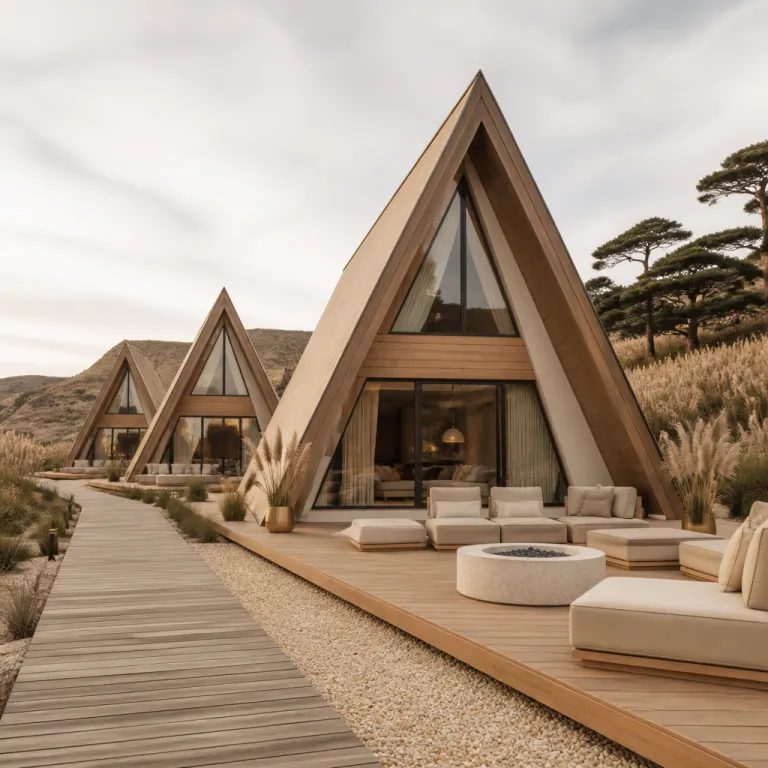
The new allure of A-frame cabin luxury homestay architecture
A-frame cabin luxury homestay architecture has moved from nostalgic curiosity to serious design currency. Across mountain and lakeside markets, this angular frame house typology now anchors premium listings where couples pay more for character, not just for square metres. For travellers choosing a romantic stay, the sharp roofline, the way the wooden structure meets the landscape, and the promise of quiet time in nature feel as compelling as any spa menu.
Architects, builders, and homeowners have converged on the same insight ; guests will pay a booking premium when a cabin is designed as an architectural object rather than a generic house. Industry data from the glamping sector shows an Average Daily Rate for A-frame cabins of 251 USD, which places many of these stays firmly in the luxury and premium tier. That price reflects more than novelty, because the modern design language, the crafted wooden finishes, and the carefully framed views create a sense of occasion from the moment you check in.
Part of the appeal lies in the way these cabins are designed to choreograph light and shadow. The steep frame and generous glass panels pull daylight deep into the interior, so mornings feel filled with soft light and the sound of the first bird outside. At night, the same glass turns the cabin into a lantern in the forest, a cozy refuge where you enjoy a slow dinner and watch the weather move across the valley.
Structure, climate and the quiet logic of the A-frame
Behind the romance of A-frame cabin luxury homestay architecture sits a surprisingly rational structure. The triangular frame handles snow loads and mountain winds with ease, which is why these cabins cluster in alpine and northern forest regions where weather can change in a short time. For couples booking a winter getaway, that structural resilience translates into a stay that feels both adventurous and reassuringly solid.
The geometry also supports efficient heating, because the compact frame house footprint reduces exposed surfaces while the roofline channels warm air through the volume. Hosts who work with architects often specify high performance glass, modern insulation, and prefabricated panels, combining traditional wooden character with contemporary energy standards. As one industry explanation puts it without embellishment ; "Unique design, efficient construction, and aesthetic appeal."
Those same structural choices shape the interior experience in ways you will feel from the first step inside. Vaulted ceilings create dramatic vertical space, yet the sloping wooden walls bring the eye back to the view, usually a sweep of nature framed by a central window. When you explore listings in mountain markets, pay attention to how each cabin is designed to balance volume, light, and intimacy, then check floor plans carefully if you prefer a more enclosed bedroom rather than an open loft above the living area.
Geometric cabins, social media and the price of a perfect frame
Geometric cabins photograph almost too well, and that matters in a booking landscape ruled by scrolling thumbs. The clean lines of A-frame cabin luxury homestay architecture, the way a glass façade reflects pine trees or snow, and the sharp silhouette against a dusk sky all create images that stop people mid feed. Hosts know that a single well composed frame of the house exterior can drive more clicks than any amenity list.
On platforms where travellers explore stays visually first, these cabins outperform more conventional properties because every angle feels intentional. A geodesic dome variant or a sharply angled frame house reads as sculptural, while the interior often delivers floor to ceiling glass, light filled corners, and a cozy reading nook under the rafters. That visual drama translates into higher engagement metrics, which in turn supports higher nightly rates and stronger year round occupancy in competitive nature destinations.
For couples, the question becomes whether the booking premium aligns with the experience they want to enjoy. If you value design, the extra cost often feels justified when you wake to a sunrise perfectly framed by the cabin window or watch a storm roll in while you stay warm beside a wooden stove. To evaluate whether a listing truly delivers luxury, use resources such as the guide on reading a homestay listing like an interior designer, then check guest photos rather than only the host’s hero shots.
Domes, clusters and the geography of angular getaways
A-frame cabin luxury homestay architecture rarely appears in isolation ; it tends to cluster in landscapes where geometry and nature play well together. Mountain regions in North America, Nordic forests, and volcanic highlands have become strongholds for both A-frame cabins and geodesic domes. These locations offer the steep slopes, tall trees, and open skies that make a sharply angled cabin or translucent dome feel like a natural extension of the terrain rather than an imported object.
Geodesic domes, while structurally different from the classic frame house, share the same design logic of doing more with less material. Their minimal footprint and faceted glass or polycarbonate skins create 360 degree views, which can turn even a compact stay into a panoramic experience. When you explore dome listings, look for details such as how the sleeping area is designed relative to the main view, how privacy screens are handled, and whether the interior remains cozy at night despite the extensive glazing.
Many of the most compelling properties pair these geometric forms with thoughtful outdoor spaces that extend daily life into the open air. A deck that steps down into the forest, a hot tub positioned for bird watching at first light, or a firepit aligned with the Milky Way can all elevate a short stay into a memorable getaway. For a deeper sense of how architecture and open air living interact, the feature on how open air architecture defines the luxury homestay offers useful context when you check potential destinations.
Inside the frame: living with light, lofts and real world trade offs
From the inside, A-frame cabin luxury homestay architecture feels like a study in edited essentials. The steep frame creates soaring ceilings in the centre but limits vertical wall space along the sides, which affects where art, wardrobes, and even bedside lamps can stay. For couples used to traditional hotel rooms, the first impression is often a mix of delight at the volume and surprise at how compact the usable floor area can be.
Sleeping lofts are a defining feature, and they come with both charm and compromise for your getaway. Climbing a ladder at night, waking to light filled rafters, and hearing the forest bird chorus through a thin veil of glass can feel intensely romantic. Yet if one partner is a light sleeper or needs to get up several times during the night, the open loft design may make the stay less restful than a closed bedroom on the main level.
Thoughtful hosts address these realities through careful design and clear communication in their listing policies. Look for floor plans that show how the house is designed, check whether there is a secondary sleeping area on the ground floor, and read how the host explains their privacy policy and terms of privacy regarding outdoor cameras or shared driveways. When those details are handled with care, the result is a modern, wooden framed retreat where you can enjoy the play of light across the ceiling, cook slow meals, and feel that rare balance between architectural theatre and genuine comfort.
What to check before booking a geometric luxury cabin
Choosing the right A-frame cabin luxury homestay architecture for your trip means reading listings with both emotion and precision. Start with the images that show how the frame house sits in its landscape, then check maps to understand distances to trailheads, small towns, and any nature reserves you hope to explore. A cabin that looks remote in photos may in reality stay quite close to a road or neighbouring properties, which can affect both noise levels and the sense of seclusion during your stay.
Next, read the description for clues about how the interior is designed for real life rather than just for the camera. Phrases such as light filled living room, wooden finishes, and floor to ceiling glass are encouraging, but you also want to see mention of heating systems, shading, and storage, especially if you plan a longer getaway. If the host notes that the cabin was designed in collaboration with architects or built using prefabrication and sustainable materials, that often signals a higher standard of construction and comfort.
Finally, spend time with the fine print, because policy details shape the overall experience more than many guests expect. Review the house rules, cancellation policy, and any dedicated privacy policy or terms of privacy that explain how guest data and on site security devices are handled. When those elements align with your expectations, you can book with confidence, enjoy the full drama of geometric architecture, and focus on what matters most ; waking up together in a quiet cabin while the first bird calls echo through the trees outside.
FAQ
Why are A-frame cabins popular with luxury travellers ?
A-frame cabins appeal to luxury travellers because they combine sculptural design with practical comfort in nature focused locations. Their distinctive frame, generous glass, and warm wooden interiors create a sense of occasion that standard houses rarely match. For couples, that means each stay feels like a curated architectural experience rather than just another night away.
Are A-frame cabins cost effective for owners and guests ?
From an owner’s perspective, A-frame structures can be relatively inexpensive to build thanks to simple geometry and efficient use of materials. For guests, nightly rates often sit above average cabins, but the higher price reflects both design quality and strong demand in scenic markets. When you factor in the immersive setting and memorable architecture, many travellers consider the overall value compelling for a special getaway.
Do A-frame cabins offer modern amenities and year round comfort ?
Most contemporary A-frame cabin luxury homestay architecture integrates modern amenities such as high performance glazing, efficient heating, and well equipped kitchens. The steep frame sheds snow and handles wind, while insulation and climate control keep interiors cozy in winter and comfortable in shoulder seasons. Before booking, always check listing details and reviews to confirm how the specific cabin performs in the time of year you plan to stay.
What should couples check in listings before booking an A-frame stay ?
Couples should review floor plans to understand loft access, ceiling heights, and how the bedroom is designed relative to shared spaces. It is also wise to check policies on pets, noise, and privacy, along with any dedicated privacy policy or terms of privacy that mention cameras or shared outdoor areas. Guest photos and reviews provide valuable insight into light levels, real world coziness, and how the cabin feels during different seasons.
Where are the best regions to book geometric cabins and domes ?
The strongest clusters of geometric cabins and domes appear in mountain regions, forested lake districts, and rural areas with strong nature access. These landscapes allow the frame house silhouette or geodesic dome to stand out while still feeling rooted in place. When planning a trip, research local A-frame cabin rentals, check seasonal availability, and explore surrounding attractions to match the architecture with the kind of outdoor experience you want.