Historic Ithaca vacation house that sleeps 12 in refined comfort
This elegant late nineteenth century residence, completed in 1898 and carefully updated in 2019, welcomes up to twelve guests in a setting that feels both intimate and grand. The restored home suits travellers who want the character of a private historic house with the polish of a premium stay. For extended families or small groups of friends, it offers generous space, privacy, and a strong sense of place in the heart of Ithaca’s Fall Creek neighbourhood, a few blocks north of downtown.
The property sits in the north of New York State, within easy reach of Cornell University and the Finger Lakes wine region. Located on a quiet tree lined block near North Tioga Street, it stands among other late Victorian homes that define this part of Ithaca. While the building was originally constructed as a substantial American family residence, it now functions as one of the most refined period homes in the area. Guests often read in the light filled library, then step outside to explore a neighbourhood where the landscape, the university community, and glimpses of Cayuga Lake create a quietly luxurious rhythm.
Architecturally, the original house reflects late nineteenth century American taste, with hints of Queen Anne style in its gables and decorative details. Local records attribute the design to an Ithaca based architect who worked on several Cornell affiliated residences, and the house is listed as a contributing structure within a recognised historic district. You will notice wrought iron railings, tall windows, and a generous second floor landing that feels almost like a private gallery. A dwelling once built for a single household now welcomes modern travellers, yet the historic character of the estate remains carefully preserved through sensitive restoration.
Architecture, heritage, and the appeal of grand American homes
Many travellers compare this Ithaca mansion to a small urban castle, not for its size but for its sense of permanence and calm. The house offers the layered charm that comes when a building has stood for many years, while still feeling fresh, well maintained, and thoughtfully updated. In the context of United States architectural history, it represents a graceful transition from ornate Queen Anne style homes to more restrained early twentieth century residences, with original millwork, pocket doors, and decorative plasterwork still in place.
Guests interested in architecture will appreciate how the estate balances decorative elements with practical comfort. The wrought iron details, the carved woodwork, and the generous porches recall grand homes in places like Buffalo’s Elmwood Village or Staten Island, where prosperous American families once built summer residences. Yet the layout works beautifully for a modern group of twelve, with six bedrooms and four and a half bathrooms arranged to separate quiet sleeping areas from lively shared spaces on the ground level. A downloadable floor plan and full amenities list are typically provided with the booking materials so guests can plan room assignments in advance.
For remote workers or guests planning longer stays, the building offers a rare combination of history and functionality. Those considering a month long stay can look at guidance on luxury homestays for remote workers in this detailed resource on extended luxury homestay retreats. In this Ithaca house, strong connectivity, generous desks, and quiet corners sit within walls that have witnessed more than a century of American life. One recent guest noted in a review that “the Wi Fi was as reliable as our office connection, but the setting was infinitely more inspiring.”
Inside the house: layout, comfort, and how 12 guests really fit
When a listing says a house sleeps twelve, the details matter for comfort and privacy. In this historic vacation rental, the bedrooms are spread across the second floor and upper levels, so each family or couple can retreat easily. The second floor holds four bedrooms and three bathrooms, while the finished third floor offers two additional bedrooms and a shared bath, all served by central air conditioning. The original layout has been subtly adjusted, but the building, designed with generous proportions, still feels like a private mansion rather than a crowded lodging.
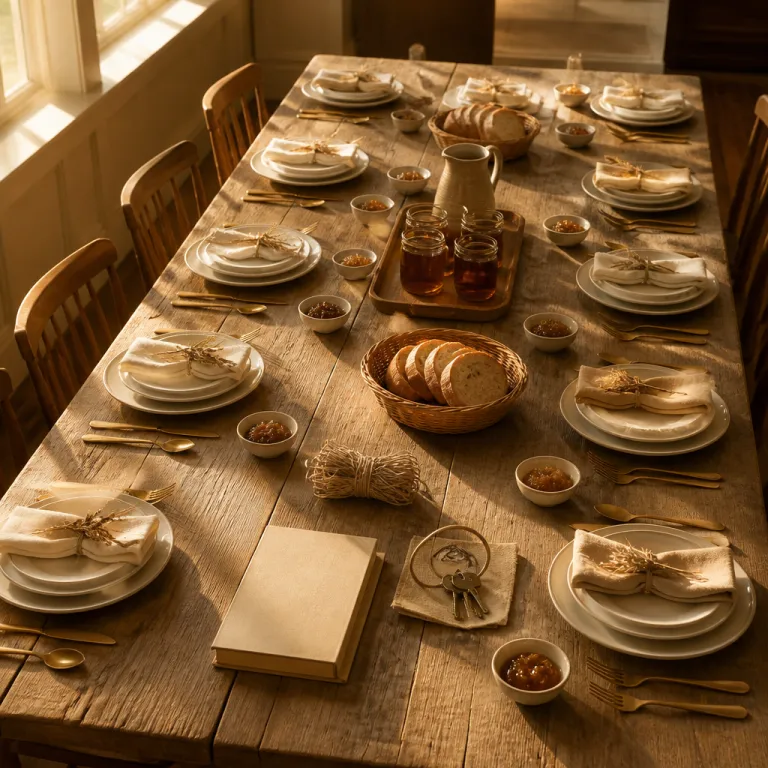
Most rooms retain historic features such as tall sash windows, hardwood floors, and period appropriate lighting. The second floor landing often becomes an informal gathering place, where guests read, plan the day, or simply enjoy the view over the estate gardens and mature trees. Bathrooms have been modernised with contemporary fittings, yet the wrought iron towel rails and classic tiling respect the historic character of the building. The ground floor includes a formal dining room that seats twelve, a well equipped kitchen with double ovens, and a sunroom that opens directly onto the terrace and garden.
Travellers bringing pets will want to confirm policies in advance, as many luxury homes now welcome animals under clear conditions. In this case, well behaved dogs are usually accepted with prior approval and a modest cleaning fee, and food bowls and washable throws are provided. For broader guidance on high end stays that accept pets, this overview of pet friendly luxury homestays explains what to expect and what to request. In a large American house like this one, the combination of enclosed gardens and spacious interiors can work very well for both families and their animals.
Context, history, and how Ithaca compares to other historic places
Staying in Ithaca places you within a wider story of American historic places and grand homes. While this period residence hosts up to twelve guests in a quiet residential setting, its spirit echoes larger estates and mansions across the United States. Travellers who enjoy this style of building often also visit house museums in New York State, from the urban streets of Buffalo to the coastal neighbourhoods of Staten Island, comparing how different regions adapted similar architectural ideas.
In cities like Buffalo, the Elmwood district showcases Queen Anne style houses with elaborate porches, turrets, and wrought iron details. Some of these properties, once private homes for families involved in real estate, shipping, or the Great Lakes trade, now appear on the National Register of Historic Places. The Ithaca house does not imitate a castle, yet its confident proportions and careful craftsmanship place it firmly within this tradition of American residential architecture. Local historians note that its first owner, a Cornell affiliated attorney, chose the site for its elevated position and filtered views towards Cayuga Lake.
History minded guests sometimes connect their stay with visits to sites linked to the Civil War era or to early Cornell University buildings. While this particular estate was built after the Civil War, its owners would have read about national events in publications such as the Evening News and followed debates that shaped the modern United States. The result is a place where architecture, education, and regional history intersect in a way that feels both intellectual and warmly domestic. A framed copy of an early twentieth century newspaper clipping in the hallway hints at the house’s role in local civic life.
Planning your stay: from Cornell University to the Finger Lakes
Location is central to the appeal of any luxury homestay, and this house benefits from its position near Cornell University and the wider Finger Lakes region. Guests can walk or take a short drive to campus, where the mix of historic buildings and contemporary architecture reflects more than one hundred years of academic life. For many families, staying in a distinguished Ithaca home that sleeps twelve makes it easier to attend graduations, conferences, or university events together. Typical nightly rates for peak commencement weekends are higher than in winter, so early booking helps secure favourable pricing.
Beyond the university, the region offers vineyards, gorges, and lakefront walks that showcase the natural beauty of upstate New York State. While the Great Lakes lie further to the north and west, the same glacial forces shaped the deep Finger Lakes that define this landscape. Day trips might include drives towards Buffalo or Erie County, where travellers can compare different styles of American houses, from compact city homes to expansive lakefront estates. Closer to home, guests often visit nearby wineries on the Cayuga Lake Wine Trail and dine at independent restaurants in downtown Ithaca, many of which are within a five to ten minute drive.
For those planning spa days or wellness focused itineraries, it is worth reading practical advice on using concierge contacts and local partners effectively. A useful example is this guide to organising a flawless spa escape through homestay contacts, which illustrates how clear communication can elevate a stay. Applying similar principles in Ithaca, guests can coordinate private tastings, guided hikes, or in house wellness sessions that match the quiet elegance of the estate. The host typically shares a digital welcome book with recommended restaurants, parking tips, and local transport options, including nearby bus routes and taxi services.
Heritage, names, and the human stories behind historic homes
Part of the charm of any historic house lies in the names and stories attached to it. Across New York State and the wider United States, you will find estates associated with figures such as William Henry, Joseph, or William, whose families shaped local commerce, education, or real estate. While this Ithaca mansion has its own lineage, it shares a pattern with many American homes where successive generations have adapted the building to new uses. The current owners describe themselves as “caretakers rather than just hosts,” a phrase that appears in their welcome notes.
Some travellers enjoy tracing parallels between this property and named houses elsewhere, such as a house in York or a house in Buffalo Elmwood that carries the memory of a Joseph or a William Henry in its title. Others focus on stylistic threads, noting how Queen Anne style details appear in both city mansions and rural estates. Over the years, these buildings have moved from private residences to guest houses, event venues, or carefully curated vacation rentals that respect their historic fabric. Archival photographs displayed in the hallway show the Ithaca house in the early 1900s, with similar rooflines and porch details still visible today.
When you read about such properties in the Evening News archives or local historical society publications, you often see references to how they were built for summer retreats or year round family life. The Ithaca house, while not a castle, offers a similar sense of retreat, with generous rooms, a calm garden, and a layout that works well for multi generational stays. For guests, the result is a place where the weight of history feels light, supporting rather than overshadowing the comfort of a modern holiday. Alt texted photographs in the listing typically highlight the façade, the main staircase, and the garden terrace so visitors can visualise the setting before arrival.
Choosing a luxury homestay over a traditional hotel stay
Travellers comparing a premium homestay with a traditional hotel often focus on space, privacy, and atmosphere. In a large historic Ithaca house that accommodates twelve people, the ability to gather in a private dining room, cook together, and use the garden as an extension of the living space changes the rhythm of a trip. For families marking milestones, the house becomes more than accommodation; it becomes the central place where memories form. One family celebrating a graduation wrote that “having grandparents, siblings, and friends under one roof made the weekend feel like a reunion rather than a series of separate hotel rooms.”
From a practical perspective, large historic homes can offer strong value when the nightly rate is shared among several couples or an extended family. Real estate professionals sometimes note that the cost per person in such a mansion can compare favourably with multiple premium hotel rooms, especially during peak university or holiday periods. The key is to assess how the building was originally constructed, how it has been maintained, and whether the current layout supports both shared time and private rest. A downloadable amenities checklist, often provided as a PDF, helps guests confirm details such as parking capacity, kitchen equipment, and laundry facilities before committing.
For travellers who appreciate context, staying in a house like this also supports the preservation of historic places within living communities. Rather than turning every estate into a museum, sensitive vacation rentals keep buildings occupied, maintained, and woven into the daily life of towns such as Ithaca. When you choose such a property, you participate in a quiet form of heritage stewardship, ensuring that the stories held within its walls continue into future years. Clear house manuals and labelled switches make day to day use straightforward, so the historic setting feels welcoming rather than intimidating.
Key figures and trends in luxury historic homestays
- Publicly available summaries from AirDNA, such as the 2023 “U.S. Short-Term Rental Outlook” report, indicate that high end whole home rentals in many college towns show elevated occupancy during peak academic months, reflecting strong demand from visiting families and alumni. Exact percentages vary by season and market and should be checked against the latest AirDNA reports.
- Research discussed by the National Trust for Historic Preservation, including heritage tourism briefs updated in 2022, notes that heritage tourism travellers typically spend more per trip than other leisure visitors, helping to fund the ongoing maintenance of historic houses and estates. Specific figures depend on methodology and year, so current National Trust publications should be consulted for precise data.
- Studies referenced by Cornell University’s School of Hotel Administration, summarised in continuing education materials from the early 2020s, suggest that multi bedroom vacation homes can reduce per person accommodation costs for groups of eight or more when compared with booking separate premium hotel rooms of a similar standard. Individual savings depend on nightly rates, length of stay, and local market conditions.
- Data highlighted by the U.S. Travel Association, including cultural and heritage travel fact sheets last revised in 2021, shows that trips combining cultural or historic experiences with outdoor activities, such as those available around the Finger Lakes, have grown steadily over the past decade. Detailed growth percentages are updated periodically and are best confirmed through the association’s most recent reports.
FAQ about staying in a historic Ithaca vacation house
Is a historic vacation house in Ithaca suitable for families with children ?
Yes, many historic houses in Ithaca are well suited to families, especially those that sleep ten to twelve guests. Parents should check details such as stair gates, garden fencing, and bedroom layouts, but the generous rooms and multiple living areas usually work very well for multi generational stays. In this property, the enclosed backyard and separate TV room often appeal to families travelling with younger children.
How close are these properties to Cornell University and local amenities ?
Most premium historic homes marketed to visitors are within a short drive or walk of Cornell University and central Ithaca. When booking, review the exact address, public transport options, and parking arrangements to ensure the location matches your plans for campus visits, dining, and excursions. This particular house is typically a five minute drive or a twenty to twenty five minute walk from the main Cornell campus, with on street parking usually available nearby.
What should I look for when booking a vacation rental historic house built 1896 1903 sleeps 12 Ithaca property ?
Focus on clear floor plans, recent photographs, and detailed descriptions of bathrooms, kitchens, and outdoor spaces. It is also wise to read recent guest reviews, confirm any accessibility needs, and ask the host specific questions about heating, cooling, and noise levels in a building of this age. Check that the listing includes alt text for key images and, where possible, a downloadable floor plan so everyone in your group understands how the rooms are arranged.
Are historic vacation homes more fragile or difficult to use than modern rentals ?
Well managed historic houses are updated with modern systems while preserving original features, so day to day use should feel straightforward. Guests may be asked to treat certain elements, such as antique floors or original windows, with extra care, but overall comfort should match that of a contemporary premium property. Clear house rules and labelled controls usually make it easy to operate heating, cooling, and appliances without any special knowledge.
How far in advance should I book a large historic house in Ithaca ?
For peak periods linked to university events or summer holidays, booking six to twelve months ahead is advisable for a house that sleeps twelve. Outside those dates, you may find more flexibility, but larger groups should still secure their preferred dates as early as possible. Hosts often open calendars about a year in advance, and popular weekends, such as Cornell graduation or reunion, tend to fill first.
