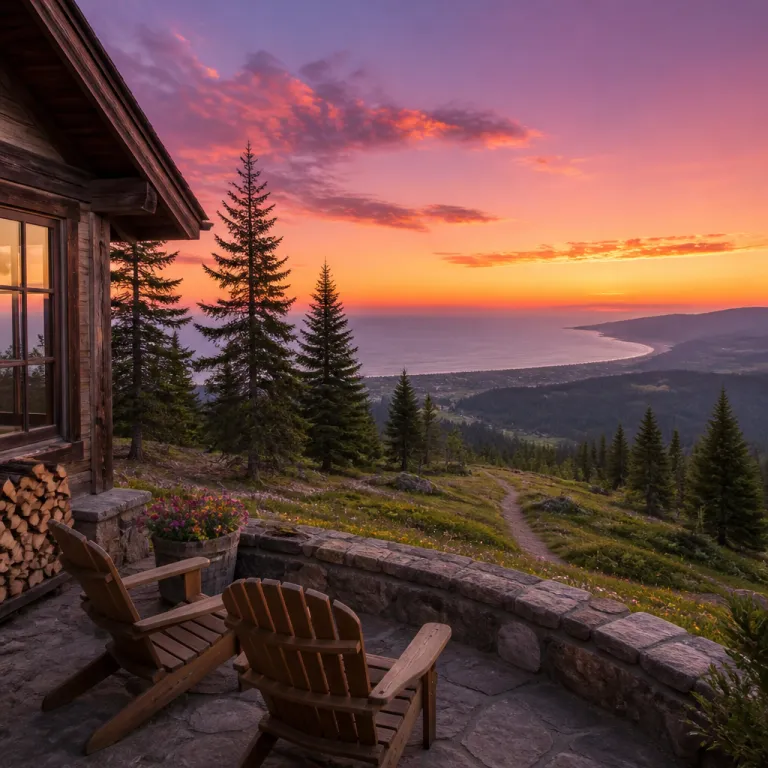
Why the mountain retreat homestay summer advantage is reshaping luxury travel
Mountain destinations often run 5 to 10 degrees Celsius cooler than many coastal hotspots in peak summer, and that comfort gap defines the true mountain retreat homestay summer advantage. Historical climate data from agencies such as NOAA and the UK Met Office show that when Aspen hovers around 24 °C in July while beach towns frequently push past 30 °C, couples quickly understand why a scenic mountain homestay feels like a sanctuary rather than a furnace. That cooler air changes how you use every room, every terrace, and every outdoor space across long, languid afternoons.
Luxury homestays in the mountains now rival any high end resort or hotel in design, yet they add something coastal properties rarely manage in summer: silence and space. You step from shaded guest rooms onto a stone patio, feel the fresh mountain breeze, and realize you can actually hear the creek below instead of traffic or beach bars. That quiet is not an aesthetic detail but a core part of the experience unforgettable couples seek when they trade the city for altitude.
Data from short term rental platforms and market reports indicates that mountain markets deliver two strong seasons, with winter ski demand and summer bookings combining to keep calendars full. This dual season pattern means owners reinvest in maintenance, so log cabins, spa decks, and outdoor pool areas stay in modern day condition rather than feeling tired after one frantic summer. For travelers, that translates into better kept guest rooms, more reliable pool fitness facilities, and a higher standard of service at often more affordable prices than comparable coastal listings.
Mountain retreat owners increasingly position their properties as an alternative to crowded beaches, and the strategy is working. Real estate agencies and tourism boards report increased mountain retreat bookings and higher rental income in high elevation areas, especially in regions with strong second home ownership. When asked directly, many coastal property owners now concede that “Why choose mountain retreats over coastal properties in summer? Cooler temperatures, dual peak seasons, and lower maintenance costs.”
Cooler air, richer days : how altitude transforms your summer escape
Heat defines coastal high season, while the mountain retreat homestay summer advantage comes from relief: afternoons stay comfortable enough for real outdoor adventures. When the thermometer in Malibu edges toward 26 °C and humidity climbs, Aspen often sits closer to the low to mid 20s with drier air, so a simple walk from your homestay to the village center feels energizing instead of draining. That modest temperature difference sounds small on paper yet becomes decisive when you want to hike, cycle, or linger on a deck without retreating to the air conditioned room.
Couples choosing a mountain retreat over a beach resort often talk about how many more hours they actually spend outside. You can start the day with a trail run above a Blue Ridge style valley, pause for coffee by a creek, then return to a homestay where the outdoor pool and pool fitness area feel like an extension of the landscape rather than an escape from oppressive heat. In this context, the word outdoor means more than a marketing line; it describes how the entire property is used from sunrise to late evening.
Premium homestays in Jackson Hole, Vail, or the Adirondacks now compete directly with coastal villas on design and amenities, yet they keep a clear pricing edge. Average daily rates in leading mountain markets can exceed some beach towns, but when you compare like for like quality, many elevated properties still sit 20 to 40 percent below the best coastal homes in the same budget band. For couples, that means you can book a mountain retreat with a private spa deck, heated pool, and generous guest rooms for the price of a smaller, more crowded beach hotel suite.
Winter performance strengthens this equation, because two season demand supports year round staffing, better maintenance, and thoughtful upgrades. Independent analyses of premium ski homestays and luxury chalets show how properties built for snow now lean into summer in the mountains with terraces, gardens, and open air dining. The result is a portfolio of elevated retreats where the same fireplace that frames winter evenings becomes a backdrop to cool July nights under clear stars.
| Destination type | Typical July daytime high (°C) | Average daily rate (USD) | Peak season occupancy |
|---|---|---|---|
| Mountain town (e.g., Aspen) | 23–25 | 450–550 | 70–85% |
| Coastal city (e.g., Malibu) | 28–31 | 500–650 | 65–80% |
From blue ridge valleys to western canyons : where mountain homestays excel
Not all mountains deliver the same mountain retreat homestay summer advantage, so choosing the right area matters. In the eastern United States, the Blue Ridge and Smokies offer a dense network of villages, small cities, and forested slopes where log cabins and stone farmhouses dominate the inventory. These regions combine scenic mountain views with easy access to attractions like waterfalls, parkway overlooks, and music venues, giving couples a layered itinerary without long drives.
Waynesville in North Carolina, for example, has become a quiet favorite for couples who want a summer escape with character rather than spectacle. Guides to refined mountain escapes in Waynesville highlight homestays where guest rooms open onto porches facing rolling ridgelines, and where the village center remains walkable even in peak season. Here, the best properties sit within a short drive of the Blue Ridge Parkway, so a day exploration might include a canyon overlook, a creek side picnic, and dinner back in town without ever touching a highway.
Head west and the profile shifts from soft hills to dramatic canyon landscapes in Colorado, Utah, and Wyoming. Elevated homestays near Jackson Hole or Telluride often pair spa level bathrooms and pool fitness studios with direct trail access, so outdoor adventures begin at the front door rather than a distant trailhead. These summer mountain markets attract serious hikers and cyclists, yet they also work beautifully for couples who simply want to read on a deck, watch the light move across the peaks, and feel the temperature drop gently each evening.
Even California, often framed through its beaches, hides a strong mountain retreat homestay summer advantage in places like Lake Tahoe and Mammoth Lakes. Here, second home ownership has created a deep pool of high quality inventory, from modern day timber lodges to glass fronted villas that feel like a private resort. For travelers used to the crowds of Los Angeles or San Diego, arriving in a quiet alpine village with an outdoor pool, a nearby creek, and a handful of popular farm to table restaurants can feel like finding a hidden gem in plain sight.
Design, amenities, and the quiet luxury of feeling like a neighbour
What separates a true mountain retreat homestay summer advantage from a generic rental is not the listing photo but the way the property is lived in. The most compelling elevated homestays feel like homes first and assets second, with books on the shelves, local ceramics in the kitchen, and a host who knows which creek is best for a late afternoon swim. That sense of place turns a simple summer escape into an experience unforgettable enough to anchor future anniversaries.
On the amenities front, mountain homestays now mirror or surpass many resort standards, yet they deploy them differently. Instead of a single central pool, you might find a small outdoor pool tucked into a rock terrace, a cedar hot tub under pines, and a compact pool fitness room with windows framing the scenic mountain skyline. Spa features lean toward the elemental: think outdoor showers, cold plunge barrels, and wood fired saunas that make sense in both winter and the height of the mountains summer.
Architecture plays a quiet but decisive role, especially in how indoor and outdoor spaces connect. Properties that embrace open air courtyards, covered decks, and sliding walls allow couples to live outside without sacrificing comfort, a design language often explored in depth in discussions of courtyard living and open air architecture. In the mountains, this approach amplifies the fresh mountain air, softens temperature swings, and makes every meal feel like a small event, whether you are in a quiet village or on the edge of a canyon.
Service in these properties tends to be discreet rather than performative, shaped by mountain retreat owners who often live nearby or split time between the city and the high country. They arrange guided outdoor adventures, line up local chefs for in home dinners, and help with practicalities like travel insurance or transfers without turning the stay into a packaged tour. The result is a form of modern day luxury where you feel looked after yet never managed, free to shape your own rhythm from sunrise hikes to late night stargazing by the pool.
Value, pricing, and why mountains beat the beach on ROI
From a financial perspective, the mountain retreat homestay summer advantage rests on a simple equation: strong demand across two seasons plus relatively lower acquisition costs. Data from platforms like AirDNA, Transparent, and similar analytics providers shows that some mountain markets command high average daily rates, yet when you compare them to coastal hotspots with similar quality, the mountains often deliver better value. For couples booking a week away, that can mean upgrading from a standard hotel room by the beach to a full mountain retreat with a private pool and spa level bathrooms for a similar outlay.
Coastal markets in the Northeast and California face tight supply and rising ADRs, especially in popular family destinations. Mountain areas, by contrast, often have deeper inventories of second homes, which translates into more choice at a range of affordable prices without sacrificing design or comfort. You might find a one bedroom log cabin with a hot tub and creek access for less than a basic city hotel, or a multi bedroom villa with an outdoor pool and pool fitness studio for the cost of a mid tier coastal resort.
For owners, the appeal is equally clear, and it feeds back into the guest experience. Two season demand means that revenue does not depend solely on a short summer window, so mountain retreat owners can justify higher quality furnishings, better maintenance, and thoughtful upgrades that keep properties in top condition. As one industry summary puts it without hedging, “Are mountain retreats more profitable than coastal properties? Yes, due to higher average daily rates and year-round demand.”
Travelers benefit from this investment cycle in tangible ways, from better equipped kitchens to more responsive local management. Strong performance metrics also encourage owners to experiment with flexible minimum stays, shoulder season discounts, and curated add ons like guided outdoor adventures or wellness packages. When you factor in lower parking fees, fewer paid attractions, and the ability to cook at home, the total trip cost for a week in the mountains summer often undercuts a comparable coastal itinerary while delivering a richer, calmer stay.
Planning your elevated stay : practical tips for couples
Securing the full mountain retreat homestay summer advantage starts long before you arrive at altitude. Begin by mapping your priorities: do you want a quiet village with a walkable center, or a more remote cabin near a canyon or high pass? That choice will shape everything from your daily routine to how often you drive into a city for restaurants or cultural attractions.
When browsing listings, look beyond headline photos and focus on layout, orientation, and microclimate. A property with guest rooms facing east will catch gentle morning light and stay cooler in late afternoon, while a west facing deck might be perfect for sunsets but warmer at cocktail hour. Check whether the homestay offers an outdoor pool, shaded terraces, or direct creek access, because these features amplify the fresh mountain air and extend your comfortable hours outside.
Logistics matter more in the mountains than at the beach, so plan your travel with a little extra margin. If you are flying into a hub like Los Angeles before driving inland, consider an overnight stop to adjust rather than racing straight to altitude after a long haul flight. Build in at least one unscheduled day exploration, leaving space to follow local recommendations for hidden gem trails, farm stands, or small museums that rarely appear in mainstream travel guides.
Finally, treat a mountain retreat as both a holiday and a small project in risk management. Comprehensive travel insurance that covers flight delays, rental cars, and outdoor activities is worth the modest premium, especially in regions where weather can shift quickly. For couples who value both comfort and a sense of autonomy, this combination of careful planning and flexible time on the ground turns a simple summer escape into a layered, experience unforgettable stay that justifies returning to the same mountains year after year.
Key figures behind the mountain advantage
- Average summer temperatures in leading mountain towns such as Aspen often sit around the mid 20s Celsius, while many coastal cities reach or exceed 30 °C, creating a 5 to 10 degree comfort gap that defines the mountain retreat homestay summer advantage (based on aggregated weather data from sources such as NOAA and the UK Met Office).
- In comparative analyses of short term rentals, high demand mountain markets like Jackson Hole have recorded average daily rates above 500 USD, outpacing several popular beach destinations while still offering larger spaces and more amenities for the price (AirDNA, Transparent, and similar market reports).
- Industry research on U.S. vacation rentals shows that mountain regions benefit from two distinct demand peaks, winter and summer, which together can extend high occupancy periods by several months compared with purely summer focused coastal areas (real estate agency performance summaries and tourism board data).
- Tourism boards in major mountain regions report consistent year on year growth in summer visitation, with some destinations seeing double digit percentage increases as travelers seek cooler climates and outdoor adventures instead of crowded beaches (U.S. regional tourism statistics and destination marketing reports).
FAQ : elevated retreats versus coastal stays in peak summer
Why choose a mountain retreat over a coastal property in summer ?
Mountain retreats typically offer cooler temperatures, fewer crowds, and easier access to outdoor adventures than coastal properties in peak summer. This combination allows couples to spend more time outside, sleep better at night, and enjoy a quieter, more intimate atmosphere. For many travelers, that comfort and calm outweigh direct beach access.
Are mountain homestays more expensive than beach rentals ?
Headline nightly rates in top tier mountain markets can match or exceed some beach destinations, but the value equation often favors the mountains. You usually receive more space, better amenities, and higher quality furnishings for the same budget, especially when comparing against popular coastal cities with tight supply. When you factor in lower ancillary costs, the total trip spend can be 20 to 40 percent lower than a comparable beach holiday.
Which mountain regions in the United States are best for a summer escape ?
For couples, standout regions include the Blue Ridge and Smoky Mountains in the East, the Colorado Rockies, Wyoming’s Jackson Hole area, and California’s Sierra Nevada. These destinations combine scenic mountain landscapes with strong homestay inventories, good dining, and varied attractions. Each offers a different balance of remoteness, culture, and outdoor activity, so the best choice depends on your preferred pace.
How far in advance should I book a mountain homestay for peak summer ?
In high demand markets, booking three to six months ahead is prudent, especially for stays that include weekends or local festivals. Smaller villages with limited inventory can sell out even earlier, particularly for properties with outdoor pools or standout views. Flexible travelers may find last minute options, but the best located and best designed homes rarely remain available close to arrival.
Do I need special insurance or equipment for a mountains summer stay ?
Comprehensive travel insurance is advisable, covering trip interruptions, medical care, and rental cars, since mountain weather and road conditions can change quickly. Equipment needs are modest for most couples; sturdy walking shoes, layered clothing, sun protection, and reusable water bottles usually suffice. If you plan technical activities like climbing or backcountry hiking, local guides can advise on any additional gear.