From spectator to collaborator: what a fermentation foraging culinary homestay experience really offers
A true fermentation and foraging culinary homestay turns you from diner into co-creator. Instead of watching a chef perform, you move through the kitchen and the landscape, handling wild plants, tasting fermented foods, and shaping each flavor with your host. This shift from passive tasting to actively foraging wild ingredients is what now separates a standard cooking class from the best gourmet food focused homestays.
Hosts who specialise in wild food often design stays around the daily rhythm of the land, so you might start the morning with a walk to learn to identify edible plants and wild greens before lighting the stove. The same fermentation focused hosts then guide you through transforming foraged greens, flowers, and mushroom harvests into mold-based ferments, from simple pickles to complex koji alchemy projects. A typical two or three night stay in regions of North America might include a daily forage, an afternoon fermentation session, and shared dinners that highlight wild edible traditions in places such as the Pacific Northwest, parts of New England, and rural Quebec.
Unlike a hotel cooking class that must please a crowd, a luxury homestay can tailor each fermentation foraging culinary homestay experience to your curiosity and your dietary needs. One guest might spend hours on soy sauce style experiments using koji, while another focuses on quick fermented foods that will travel well in a suitcase. The result is a stay where every meal, every jar, and every walk through wild plants feels like a private workshop in gourmet foods and in how careful foraging can help environment focused travel feel genuinely responsible.
Walking the land: foraging wild foods with expert hosts
The most memorable homestays for a fermentation foraging culinary homestay experience usually begin on a path, not at a stove. In forested valleys, coastal headlands, or high meadows, hosts lead you out to forage wild food, teaching you to read the landscape as a pantry rather than a backdrop. These guided walks turn abstract ideas about wild edible plants into concrete skills you can carry home.
Some of the most respected foraging teachers, such as Pascal Baudar in North America, have shown how wild plants, flowers, and mushroom species can become the backbone of food gourmet culture rather than a novelty garnish. His work, alongside fermentation pioneers like Sandor Katz and chefs such as Hugh Fearnley-Whittingstall, underpins many of the best homestay programs that blend foraging wild walks with fermentation labs. In these settings you do not just taste foraged foods; you learn to identify each leaf and stem, understand its season, and see how careful harvesting can help environment protection rather than harm it.
One of the most useful contrasts for travelers is between a homestay foraging session and a resort nature walk, because the former is built around participation and later cooking. On a dedicated fermentation foraging culinary homestay experience, your basket of wild food comes back to the kitchen, where it becomes dinner, condiments, or long keeping ferments. Shared tables, often described in depth in guides to kitchen centered homestay experiences, turn those foraged greens and edible plants into conversations about place, memory, and the quiet luxury of eating what you helped gather.
Inside the kitchen: fermentation, koji alchemy and slow bread
Once the baskets of wild food are on the counter, the second act of a fermentation foraging culinary homestay experience begins. Here the focus shifts from landscape to workbench, where fermentation, heat, and time transform foraged ingredients into layered flavor. This is where the line between home kitchen and research lab blurs in the best way.
Many high end homestays now structure their stays around themed days, such as sourdough and bread baking, vegetable fermentation, or mold-based koji alchemy inspired by chefs like Jeremy Umansky. You might spend a morning kneading dough with freshly milled grains, then fold in chopped wild plants or flowers you foraged earlier, creating loaves that taste unmistakably of that valley or coastline. Afternoons can be devoted to fermented foods, from simple brined greens to soy sauce style condiments, where koji cultures slowly rewrite the food’s structure and deepen every flavor note.
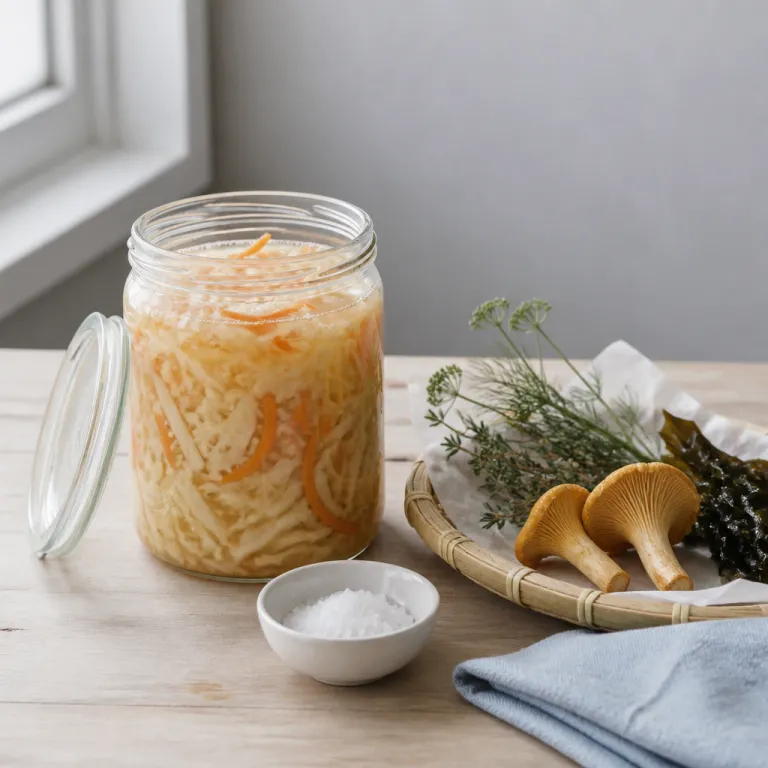
For travelers used to polished restaurant tasting menus, this hands on work can feel surprisingly luxurious, because the time and attention are yours alone. Instead of queuing for the best restaurants, you stand at a farmhouse counter, guided through each step of fermentation and foraging by a host who knows every jar on the shelf. A simple starter project might be a jar of wild green kimchi: chopped foraged greens and flowers mixed with 2% salt by weight, packed tightly, weighted so they stay submerged, and left at cool room temperature for several days until tangy. If you want to plan a trip around this kind of food gourmet immersion, look for listings that highlight “fermentation workshops”, “foraging walks”, or “from market to table” style stays, and cross reference them with curated guides such as finding homestays where cooking is part of the experience.
How to book the right fermentation foraging culinary homestay experience
Choosing the right property for a fermentation foraging culinary homestay experience requires reading between the lines of listings. You are not just booking a bed; you are effectively registering for a short, intensive course in wild food and fermentation. The language a host uses in their profile often reveals whether they truly live this way or simply offer an occasional class.
Look for hosts who mention specific practices such as foraging wild plants weekly, maintaining a rotation of fermented foods, or teaching guests to learn to identify edible plants safely. References to figures like Pascal Baudar, Sandor Katz, or Jeremy Umansky can signal a serious engagement with fermentation and foraged ingredients rather than a passing trend. When reviews praise the “depth of flavor in every jar”, the “wild greens on the breakfast table”, or the “gourmet food that came straight from the hillside”, you are likely seeing the real impact of this approach.
On a luxury and premium booking platform, filters and keywords become your allies, so search for terms like fermentation, foraging, wild food, and gourmet foods rather than generic food experiences. Pay attention to photos of pantries, gardens, and surrounding plants, not just bedrooms, and read how hosts talk about how their practices help environment goals. For deeper context on how committed hosts shape guest stays over time, long form pieces such as guides to guest loyalty and host relationships can help you distinguish between a one off workshop and a home where this way of cooking is the daily norm.
Why participation beats performance in culinary homestays
The defining luxury of a fermentation foraging culinary homestay experience is not marble countertops or rare wines. It is the invitation to participate fully in the cycle that runs from wild plants to plate to pantry shelf. When you wash soil from foraged greens, stir a bubbling crock, or taste soy sauce that has aged quietly in a corner, you are no longer a spectator.
Homestays built around wild food and fermentation often attract guests who could easily book tables at the best restaurants but want something more elemental. They come to learn, to register new skills in their hands, and to feel how mold-based transformations and koji alchemy rediscovering old techniques can turn simple foods into something close to magic. As one host explained during a shared meal, “An immersive experience where guests learn cooking techniques from local hosts” is what defines a culinary homestay at its core.
This participatory model also tends to help environment awareness, because once you have foraged wild edible plants yourself, waste feels almost unthinkable. You understand the labor behind each jar of fermented foods and the patience required for every layer of flavor. For many solo travelers, that shift in perspective is the real gourmet food upgrade, one that lingers long after the last wild mushroom has been eaten and the last jar of food gourmet pickles has been packed into a carry on bag.
FAQ
What is a culinary homestay and how is it different from a hotel class ?
A culinary homestay is an immersive stay where you live in a host’s home and cook alongside them as part of daily life. Instead of a scheduled, one size fits all hotel class, you join real meal preparation, often including foraging wild ingredients and working with fermented foods. This creates a deeper connection to local food culture and to the people who cook it.
Why are fermentation workshops so popular in these homestays ?
Fermentation workshops are popular because they teach practical preservation methods that you can repeat at home and they add complex flavor to simple foods. They also align with growing interest in gut health and in reducing food waste by extending the life of seasonal harvests. In many homestays, fermentation becomes a shared creative activity that anchors the entire stay.
How do foraging tours usually work during a homestay stay ?
Foraging tours are guided walks where hosts teach you to learn to identify edible plants, flowers, and sometimes mushroom species in nearby landscapes. Safety and sustainability are central, so you gather only what you need and learn how careful harvesting can help environment protection. A simple safety rule many hosts repeat is “never eat a wild plant or mushroom unless an expert has confirmed it twice.” Back at the house, those foraged ingredients are cooked or fermented, turning the walk into a complete wild food experience.
Do I need prior cooking or foraging experience to enjoy these stays ?
No prior experience is necessary for most fermentation foraging culinary homestay experience programs, because hosts design activities for curious beginners. You will receive step by step guidance on basic techniques, from washing wild greens to packing a fermentation jar. More advanced guests can usually request deeper dives into topics like koji alchemy or bread baking.
How can I prepare before booking a fermentation focused homestay ?
Before booking, research local programs in advance and read host profiles carefully to ensure they truly offer wild food and fermentation activities. Pack suitable clothing for outdoor foraging, including sturdy shoes and weather appropriate layers, and be ready to respect local customs and landscapes. If you have dietary needs, communicate them early so your host can tailor the gourmet foods and fermented foods you will help prepare.