Reading the signals: when “pet friendly” really means welcome
A serious pet parent does not just scan for a pet friendly label and hope for the best. A reliable pet-friendly luxury homestay booking guide explains how to read the subtle signals that separate a warm welcome from a reluctant tolerance. In premium accommodations, those signals start at the door and continue through every room of your stay.
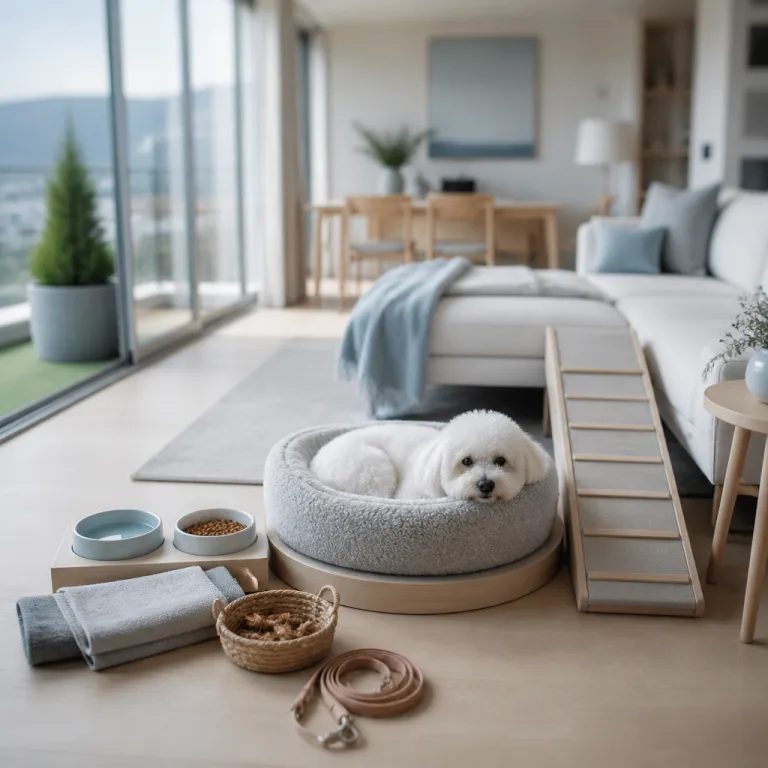
Look for concrete touches that show the homestay has designed genuinely friendly accommodation for animals, not just humans. Pet beds laid out before arrival, water bowls in the kitchen, and a small treat basket by the entrance all tell you that pets are considered real guests. Many of the best places also provide wipes by the door, a list of nearby walking routes, and clear guidance on where your furry friends can roam freely inside the accommodation.
Outdoor space is the next decisive test for any pet friendly promise. A secure, enclosed garden or terrace lets your fur babies enjoy off leash time while you relax in balcony rooms or on a shaded veranda. When a host has invested in fencing, gates, and outdoor lighting, it usually means they expect you to bring pets and want them to be safe, not hidden away like a problem.
Historic homestays in India often excel here, because old estates were built with courtyards and walled gardens that now serve as natural playgrounds for pets. Properties such as Bir Terraces in Uttarakhand and The Barrum in Dehradun and Solan show how a heritage home can become a modern eco friendly refuge for both people and animals. These homes’ pet policies are usually detailed, but the tone is welcoming rather than restrictive, which is exactly what a thoughtful pet parent should seek.
Signals of genuine welcome also appear in how the host writes about animals in the listing. A friendly hotel style description that mentions “furry friends,” “pet welcome packs,” or “dog wash stations” is far more reassuring than a single line saying “pets allowed with fee.” When you read reviews, pay attention to how other guests describe their stay with pets, because their stories often reveal more than any polished marketing copy.
Quick checklist: signs a place is truly pet friendly
- Photos show real pets using indoor and outdoor spaces
- Pet amenities (beds, bowls, waste bags) are listed clearly, not as an afterthought
- Policies explain where pets can relax, not just where they are banned
- Reviews mention staff interacting positively with animals by name
- Outdoor areas are described as fenced, enclosed, or secure
Choosing the right type of property: villas, cottages, and historic homes
Not every property type treats animals equally, and a careful pet-friendly luxury homestay booking guide will help you match your pet to the right setting. Standalone villas and heritage cottages usually give pets more space and privacy than dense city hotels. For families, that extra room can turn a stressful trip into a calm, restorative stay.
Luxury villas often come with private gardens, pools, and balcony rooms that open directly to secure outdoor areas. This layout is ideal when you want to book stay options where your dog can move between indoors and outdoors without crossing shared corridors. Platforms such as Isle Blue, which curates luxury pet friendly villas worldwide, make it easier to filter for properties that already understand the needs of resort pet travelers.
Historic homestays in India add another layer of charm for pet parents who value culture as much as comfort. Many of these homes were once family estates, now converted into premium accommodations that still feel like lived in houses rather than anonymous hotels. Bir Terraces, for example, sits on a terraced hillside estate, while The Barrum offers friendly accommodation in both Dehradun and Solan, and both welcome pets as part of the household rhythm.
When you compare a resort to a homestay, think about how your pet experiences noise, crowds, and elevators. A large resort with hundreds of rooms free on a given night hotel date might sound convenient, but the constant movement of luggage trolleys and unfamiliar guests can unsettle sensitive animals. A smaller cottage or villa, even one positioned near a beach or forest, usually offers a quieter pattern of activity that suits most pets better.
Budget conscious travelers should not assume that only the most expensive properties treat animals well. Colonia Munnar in Kerala shows how a budget friendly, pet friendly homestay can still deliver thoughtful touches like bowls, simple beds, and clear walking suggestions. For families balancing cost and comfort, mid range properties that deliver luxury amenities without the luxury price, such as those highlighted in this guide to mid range premium homestays, often represent the best compromise between human comfort and pet care.
Vacation rental platforms are also evolving to serve this niche more intelligently. Wander, for instance, offers luxury pet friendly rentals in California, combining high tech amenities with thoughtful outdoor layouts that work for both remote workers and their pets. When you book through such platforms, always cross check the listing with independent reviews to confirm that the pet policies are applied consistently in practice.
Questions to ask before you book: policies, fees, and red flags
A polished listing can hide a rigid policy, so the most valuable pet-friendly luxury homestay booking guide teaches you which questions to ask before you book. Start with the basics that shape your stay, such as breed restrictions, weight limits, and the maximum number of pets allowed. If a property limits animals to under 9 kilograms or accepts only one pet per room, it may not suit families traveling with multiple furry friends.
Next, ask about fees and deposits, because these often reveal whether a property is merely pet tolerant or genuinely welcoming. Excessive non refundable deposits or nightly surcharges that rival the human rate suggest that management views animals as a risk rather than valued guests. Reasonable cleaning fees are normal, but they should be clearly explained and proportionate to the length of your stay.
Clarify where your pet can actually go within the accommodation. Some friendly hotels allow animals only in specific wings or ground floor rooms, while others welcome them throughout the property, including balcony rooms and certain lounges. If a friendly hotel restricts pets from all common areas and requires them to be crated whenever left alone, you may spend more time managing rules than enjoying your holiday.
Outdoor access is another non negotiable topic for most pet parents. Ask whether there is a fenced garden, terrace, or courtyard where pets can safely roam, and whether any resort pet facilities such as dedicated play zones exist. If the answer is vague, or the host insists that a nearby car park counts as outdoor space, treat that as a red flag.
Responsible travelers also think about emergencies before they happen. Ask the host for the contact details of the nearest veterinary clinic and emergency vet, especially in rural areas or mountain regions. A host who can immediately provide this information has usually welcomed many pets before and understands the realities of traveling with animals.
To go deeper, use a structured list of questions that reveal a property’s true character, similar to the approach outlined in this guide to what hosts never tell you in the listing. Ask how often they host pets, whether they provide any pet amenities, and how they handle noise complaints involving animals. The tone and detail of the answers often tell you more than the policies themselves.
Sample host Q&A to copy and adapt
- “Do you host pets regularly, and what kind of animals usually stay with you?”
- “Which indoor and outdoor areas are pets allowed to use without a leash?”
- “What pet amenities do you provide in the room and on the property?”
- “How do you handle noise complaints or anxious animals if something goes wrong?”
- “Can pets be left alone in the room, and under what conditions?”
As a practical benchmark, many pet friendly homestays charge a one time cleaning fee in the range of a modest nightly rate, while truly luxury properties may add a small nightly supplement or a refundable deposit tied to documented damage. Whatever the structure, insist on written confirmation of all charges and rules before you pay.
Using platforms and social media intelligently: filters, reviews, and real stories
Digital platforms can either simplify your search or bury you in noise, so a modern pet-friendly luxury homestay booking guide must explain how to use them with precision. Start with the pet friendly filters on major booking sites, but never stop there. Those filters only tell you that pets are allowed, not how warmly they are welcomed.
Once you have a shortlist, dive into the reviews with a very specific lens. Use search terms such as “dog,” “cat,” “pet,” “fur babies,” and “furry friends” to find comments from other pet parents. When multiple guests praise the staff for remembering their pets by name or mention that rooms free of carpets helped with allergies, you know the property has thought about animals in a practical way.
Social media adds another layer of insight that traditional hotel listings rarely provide. On Instagram, look beyond the staged pool shots and search for geotagged posts that show real pets in the space, whether on a beach, in a garden, or curled up in a cottage living room. When you see repeat posts from the same friendly hotels featuring animals in their feed, it usually means they are proud of their pet culture rather than hiding it.
Pay attention to how properties respond to questions about pets in public comment threads. A host who answers quickly and clearly about where you can bring pets, which rooms are suitable, and how to book stay dates with animals shows operational confidence. Vague replies or silence around pet questions, especially on social media, are subtle warning signs that the on site experience may not match the marketing.
Specialist platforms such as Wander and Isle Blue can be particularly useful for travelers who want luxury villas with strong digital infrastructure. Wander, for example, often highlights work friendly layouts alongside pet friendly amenities, which suits guests who combine business and leisure. Isle Blue’s dedicated section for pet friendly villas worldwide makes it easier to compare accommodations by location, outdoor space, and proximity to a beach or hiking trails.
Do not overlook smaller regional platforms or direct booking sites for individual homestays, especially in India and other culturally rich destinations. Properties like Bir Terraces and The Barrum maintain their own websites, where pet policies and eco friendly practices are often explained in more detail than on generic hotel portals. When you find such sites, cross reference their information with independent reviews to confirm that the on the ground experience aligns with the online promise.
Historic and mountain homestays: space, trails, and eco friendly comfort
Rural and mountain regions consistently outperform dense urban centers when it comes to meaningful pet friendly stays. Historic homestays in hill stations and valleys often sit on large plots of land, with terraced gardens, orchards, and forest edges that naturally suit animals. For a premium family traveling with children and pets, this combination of space and scenery can be transformative.
In India, destinations such as Uttarakhand, Himachal Pradesh, and Kerala offer a growing network of heritage homes that welcome pets as part of the household. Bir Terraces, perched above the valleys of Uttarakhand, combines old stone architecture with modern comforts and generous outdoor areas where furry friends can explore under supervision. The Barrum, with locations in Dehradun and Solan, offers a similar blend of history and contemporary design, positioning itself as a friendly accommodation choice for travelers who want character without sacrificing comfort.
Mountain properties also tend to integrate eco friendly practices more naturally than city hotels. Rainwater harvesting, solar power, and local sourcing of food reduce environmental impact while creating a slower, more grounded rhythm for your stay. For pets, this often translates into quieter nights, cleaner air, and fewer hard surfaces, which can be especially helpful for older animals with joint issues.
When you plan a stay Manali or in similar Himalayan towns, prioritize homes pet options that offer fenced gardens and direct access to walking trails. A property that opens onto a safe path or forest track allows you to step outside for a night walk without navigating traffic or crowds. This is particularly valuable when traveling with large dogs that need more exercise than a quick lap around a car park.
Winter stays in mountain lodges can be magical for both children and pets, provided you choose wisely. Look for insulated flooring, fireplaces with secure guards, and clear rules about where animals can dry off after snow play. For inspiration on how to combine seasonal charm with practical comfort, explore curated collections of mountain holiday lodges that already factor in family needs.
Eco conscious pet parents should also ask how waste is managed, both human and animal. Properties that provide biodegradable waste bags, clear disposal points, and guidance on protecting local wildlife show a deeper understanding of their role in the landscape. In such settings, your pets become temporary neighbours rather than disruptive visitors, which aligns perfectly with the ethos of thoughtful homestay travel.
Inside the room: layouts, amenities, and nightly routines with pets
The quality of your nights often depends less on the view and more on the room layout, especially when you share it with animals. A serious pet-friendly luxury homestay booking guide therefore looks closely at how rooms are arranged and equipped. For families, the goal is to create a calm, predictable routine that works for both children and pets.
Start by checking the flooring and furniture materials in the rooms you plan to book. Hard floors such as stone or wood are easier to clean and more forgiving of the occasional muddy paw than plush carpets. Sofas with washable covers and beds with raised frames make it simpler to keep fur babies comfortable without compromising hygiene for future guests.
Balcony rooms deserve special attention, because they can be both a blessing and a risk. A secure balcony with solid railings and no wide gaps gives your pet a safe place to watch the world while you enjoy a quiet night drink. However, if the balcony sits several floors up with open railings, you may need to restrict access, particularly for curious small dogs or cats.
Ask whether the property provides any in room pet amenities beyond the basics. Many of the best places now offer dedicated pet beds, food and water bowls, and even small welcome toys or treats. Some award winning homestays go further, offering rooms free of strong cleaning fragrances for sensitive animals, or separate blankets so that pets can sleep on the bed without damaging linens.
Night routines matter more than most travelers expect. Clarify whether your pet can be left alone in the room for short periods, such as during dinner, and whether the hotel or homestay has any rules about noise after a certain hour. In some friendly hotels, staff will even check in on animals if you are delayed, which can be reassuring on longer evenings out.
For longer stays, consider how the room supports daily life with animals. Is there a small terrace or courtyard where you can step out for a quick late night break without crossing the entire resort? Is there a nearby patch of grass or a quiet lane for early morning walks? These details rarely appear in glossy brochures, but they define whether your accommodation feels like a temporary cage or a comfortable home.
Planning the full journey: routes, routines, and responsible pet travel
A thoughtful pet-friendly luxury homestay booking guide does not stop at the property gate. It helps you plan the entire journey so that your animals arrive calm and ready to settle. That means considering travel time, rest stops, and how your first night will unfold.
When you map your route, build in regular breaks for water, exercise, and reassurance. For road trips to mountain or rural homestays, identify safe stopping points where pets can stretch their legs away from traffic. Arriving with a dog that has already burned off some energy makes check in smoother for everyone, including other guests.
Responsible pet parents also research local services before departure. Knowing where the nearest vet, pet supply store, and emergency clinic are located gives you confidence to relax once you arrive. In remote regions, ask your host in advance about mobile coverage and the fastest route to professional help, especially if your pet has any medical history.
Think about how your daily rhythm will adapt to the new environment. If your dog is used to early morning walks, choose accommodations with easy access to quiet paths or a beach, rather than a dense city center. For cats or smaller animals, plan safe indoor spaces where they can retreat if the household becomes too lively.
Finally, travel with a clear personal code of conduct that respects both the property and future visitors. Bring your own blankets or sheets if your pet sleeps on furniture, wipe paws before re entering the house, and keep noise under control, especially at night. When pet parents behave thoughtfully, they help convince more homestays and hotels to open their doors to animals, expanding the network of truly pet friendly options for everyone.
Key statistics on pet friendly luxury homestays
- Global surveys from major travel agencies and hotel groups consistently report that more than half of higher income travelers now consider pet policies when choosing accommodation, reflecting the rapid growth of pet travel as a premium segment. For example, several large hotel chains have reported internal data showing double digit growth in pet inclusive bookings over the past decade.
- Industry data and internal platform analytics indicate that rural and mountain properties report higher satisfaction scores from guests traveling with pets, largely due to larger outdoor areas and easier access to walking trails. Booking platforms frequently highlight that pet related reviews for countryside villas and cottages mention space and nature as key reasons for five star ratings.
- Research into pet friendly stays highlights that amenities such as pet beds, bowls, and designated play areas significantly increase repeat booking rates among pet parents, especially for longer stays. Hospitality consultants often note that even low cost additions like waste bags and clear walking maps can lift guest satisfaction scores for animal lovers.
- Booking platforms have recorded steady growth in searches filtered for pet friendly villas and cottages, confirming that standalone accommodations are increasingly preferred over traditional hotels for animal inclusive trips. Internal search trend reports from several global travel sites show year on year increases in pet related filters, particularly among younger, higher spending travelers.
FAQ about pet friendly luxury homestays
What amenities are typically offered in pet friendly luxury homestays ?
Amenities may include pet beds, bowls, and designated play areas. Many properties also provide welcome treats, waste bags, and lists of nearby walking routes or dog friendly cafés. Higher end homestays sometimes add grooming stations or partnerships with local pet services.
Are there additional fees for bringing pets to luxury homestays ?
Some homestays charge extra fees for pets ; confirm before booking. These may be flat cleaning fees, nightly surcharges, or refundable deposits, depending on the property. Always ask for the fee structure in writing so you can compare options fairly.
How can I ensure a homestay is genuinely pet friendly rather than just pet tolerant ?
Review the homestay's pet policy and read guest reviews. Look for specific mentions of pet amenities, staff attitudes toward animals, and how any issues were handled. Properties that describe pets as part of the family and show animals in their photos usually offer a warmer welcome.
What should I ask a host before confirming a booking with my pet ?
Ask about breed or size restrictions, maximum number of pets, and where animals are allowed within the property. Clarify fees, outdoor space, and whether pets can be left alone in the room. Request information on the nearest vet or emergency clinic, especially in rural or mountain areas.
Are historic homestays suitable for traveling with pets and children together ?
Many historic homestays are well suited to families with pets because they offer large gardens, thick walls, and flexible indoor spaces. Check that staircases, balconies, and old flooring are safe for both children and animals. When in doubt, ask the host for recent photos and a clear description of how other families with pets have used the space.