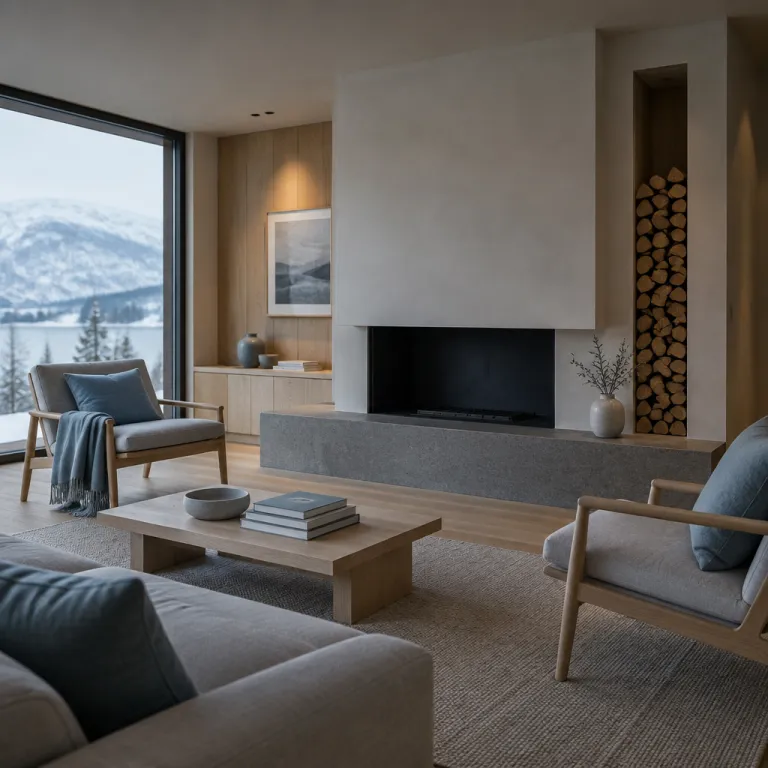
Fireplace luxury homestay design as the new cold season essential
In high end homestays, the fireplace has quietly moved from nostalgic extra to the organising principle of the entire living space. Interior forecasters now describe the hearth as the scenographic heart of the cabin, the focal point around which the whole living space is organised, and you feel that shift the moment you step into a well planned mountain retreat. For couples planning a cold season escape, understanding how fireplace luxury homestay design shapes rhythm, comfort and intimacy will help you choose a property that genuinely earns the word luxury.
A real, working fire changes how guests inhabit a room, because the evening naturally orbits around the flames rather than the television or a laptop screen. In the best luxury cottages and chalets, the living room seating, lighting and even the placement of bookshelves are set to frame the hearth, turning the fire into both heat source and social anchor for the entire house. When a host has thought carefully about these features, you sense it in the way a warm welcoming glow greets you at the door and pulls you straight toward that awe inspiring centre.
Electric inserts can look sleek, yet they rarely deliver the same multisensory experience as burning real wood in a carefully maintained fireplace. The crackle, the faint resin scent and the subtle variations of light all contribute to a comfort private atmosphere that couples remember long after they leave the property. A strong fireplace luxury homestay design does not stop at the chimney breast ; it extends into how the estate offers layered textures, generous throws and a treasure trove of small details that make staying indoors feel like a chosen pleasure rather than a weather imposed compromise.
Reading listings for hearth quality, not just pretty flames
When you scan a listing, start by asking whether the fireplace is decorative or genuinely functional, because this single detail will shape your entire stay. Serious hosts specify whether the hearth is wood burning or gas, mention chimney sweeping and ventilation, and often show log stores or hearth tools in the photos as quiet signals of a working system. In a thoughtful fireplace luxury homestay design, you will also notice that the main living room furniture is oriented toward the fire, not away from it, which tells you the space was planned for lingering evenings rather than quick check ins.
Look closely at captions describing the living space and bedroom suites, since good owners highlight how guests can move from a heated stone floor to a deep sofa facing the flames. Phrases such as "wood burning stove", "open hearth" or "double sided fireplace" usually indicate that the property treats the fire as a structural feature rather than a last minute accessory. For more guidance on how to read these visual cues, study a specialist breakdown like the design cues that signal luxury in a homestay listing, then apply the same lens to your shortlist of mountain or country retreats.
Do not ignore the wider context of the house, because a strong fireplace luxury homestay design often appears alongside other carefully resolved elements such as a small plunge pool, a discreet pool house or framed views toward a snowy peak. In alpine regions, an award winning property might combine a generous hearth with access to an outdoor heated pool, while in a coastal country setting the same fire could anchor a snug room that looks back toward the winter beach. When these features work together, the result is a luxury retreat where every zone feels intentional, from the private reading corner by the chimney to the terrace that offers sheltered access outdoor without losing that warm welcoming core.
What to ask your host about safety, practicality and real comfort
Before you book, treat the fireplace as you would a pool or spa facility and ask precise questions about maintenance, safety and guest access. A responsible host will confirm when the chimney was last swept, how ventilation is managed and whether guests may light the fire themselves or should expect it to be prepared for them. If the property uses gas rather than wood, request details on carbon monoxide detectors and clear instructions, because true luxury means never wondering whether your comfort private evening comes with hidden risks.
Practicalities matter just as much as aesthetics, so ask whether kindling and seasoned wood are supplied in generous quantities or if you will need to source logs from a nearby village. In the most carefully curated luxury cottages, you will find a neat stack of dry wood, a basket of firelighters and a simple guide that explains how to light the hearth without smoke, all set within arm's reach of the main living space. This level of thoughtfulness often extends to other amenities such as a small indoor plunge pool or a compact heated outdoor tub, signalling that the estate offers a coherent approach to winter comfort rather than isolated gestures.
It is also worth clarifying how the fireplace interacts with the rest of the house systems, especially in properties that lean toward monastic minimalism or energy efficient design. Some mountain retreats use the hearth as a secondary heat source that complements underfloor heating, while others rely on it as the primary way to warm the living room and adjacent spaces. When you understand this balance, you can decide whether the fireplace luxury homestay design aligns with your tolerance for tending flames, or whether you prefer a more hands off approach where the fire is pure ambience and the radiators quietly handle the work in the background ; in both cases, you can still enjoy the philosophy explored in this guide to monastic minimalism in luxury homestays.
How the hearth reshapes social geometry and seasonal rituals
A well placed fireplace does more than warm a room ; it redraws the social map of the entire property. Instead of scattering across separate rooms, guests naturally gravitate toward the flames, bringing books, glasses of wine and late night conversations into a single shared living space. For couples, this can turn an ordinary evening into a private retreat, because the fire quietly encourages you to slow down, put phones aside and pay attention to the person across the rug.
In a strong fireplace luxury homestay design, you will notice how blankets, low lighting and side tables are set to support this new centre of gravity. The best hosts treat the hearth as a treasure trove of small rituals, leaving board games within reach, stacking novels nearby and sometimes even placing a handwritten note with local recommendations beside the log basket. When the estate offers this kind of narrative layering, the living room becomes less a passageway and more an awe inspiring stage for your own winter story.
The hearth also mediates the relationship between indoor and outdoor zones, especially in properties that balance a cosy interior with a pool terrace, a small plunge pool or a sheltered deck. After a bracing walk along a quiet beach or through a snowy country lane, returning to a warm welcoming fire creates a threshold moment that defines the entire trip. Some of the most memorable luxury cottages use this contrast deliberately, framing views of the cold landscape through large windows while the flames dance inside, so that every time you cross from access outdoor back into the house you feel the same gentle shock of comfort private warmth.
Regional expressions of fireside living, from alpine chalets to coastal cottages
Across regions, the language of fireplace luxury homestay design shifts, yet the underlying promise remains the same ; arrive cold, be wrapped in warmth and light within minutes. In the Alps, you will often find monumental stone hearths anchoring double height living rooms, with deep sofas set three or four metres back to capture both heat and mountain views. Nordic inspired properties lean toward clean lines and efficient stoves, using pale wood, sheepskins and candlelight to create a warm welcoming atmosphere that feels both restrained and deeply human.
Country houses in wine regions or rolling farmland tend to favour wide, low fireplaces where you can almost sit inside the inglenook, turning the room into a kind of informal dining and reading zone. Coastal retreats near a winter beach might combine a compact stove with large glazing, so guests can watch storms roll in while the interior remains a comfort private cocoon. In each case, the estate offers its own interpretation of fireside living, yet the best examples share common features such as thoughtful seating, easy access to outdoor terraces and a clear sense that the hearth is the emotional centre of the property.
Some award winning homestays push this even further by pairing the fireplace with water elements, such as a heated pool just beyond the glass or a small plunge pool sunk into a sheltered courtyard. When you step from that steaming water back into a living room where the fire is already lit, the contrast feels almost awe inspiring in its simplicity. For more ideas on how outdoor architecture can frame these moments, explore guides to courtyard living and open air luxury homestays, then look for listings where the house, the hearth and the landscape speak fluently to one another.
FAQ
How can I tell if a fireplace in a listing is really usable ?
Check whether the description specifies a wood burning or gas fireplace, mentions chimney maintenance and shows logs or hearth tools in the photos. A usable hearth is usually described as a primary or secondary heat source, not just a decorative feature. If in doubt, message the host directly and ask whether guests are allowed to light the fire themselves.
Is a wood burning fireplace better than gas for a luxury homestay stay ?
Wood burning fireplaces offer a richer sensory experience, with crackling sound, scent and more dynamic light. Gas fireplaces are easier to operate and often cleaner, which some guests prefer for short stays. The best choice depends on whether you value ritual and atmosphere over convenience and instant control.
What safety questions should I ask before booking a homestay with a fireplace ?
Ask when the chimney was last swept, how the room is ventilated and whether carbon monoxide detectors are installed. Clarify who is responsible for lighting and extinguishing the fire, and whether there are clear written instructions in the house. You can also request information about fire guards, extinguishers and any restrictions on burning times.
How does a fireplace change the feel of a winter getaway for couples ?
A fireplace naturally slows the pace of the evening and encourages you to stay in the same room, which creates more shared time and conversation. Many couples find that reading, talking or sharing a drink by the fire feels more intimate than watching television. The hearth also turns returning from the cold into a small daily ritual, reinforcing the sense of retreat.
Are fireplaces compatible with sustainable or minimalist luxury homestays ?
Yes, many contemporary properties integrate efficient stoves, well insulated chimneys and responsibly sourced wood into low impact designs. Minimalist interiors often use a simple, sculptural hearth as the main focal point, reducing the need for extra decoration. When combined with good insulation and modern heating, a fireplace can be both atmospheric and energy conscious.